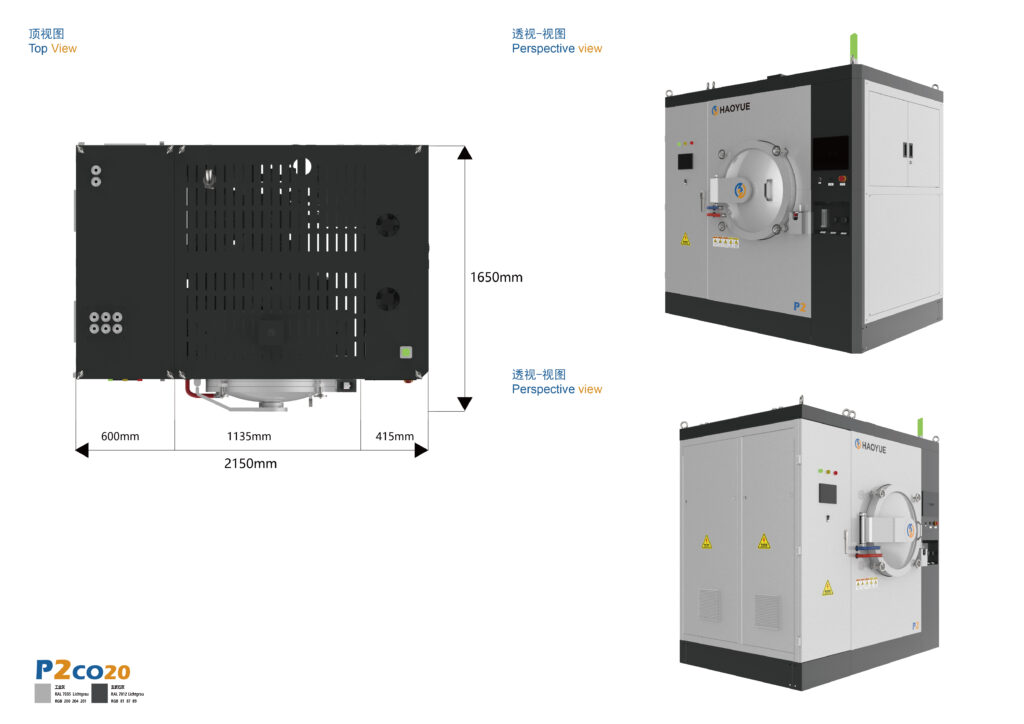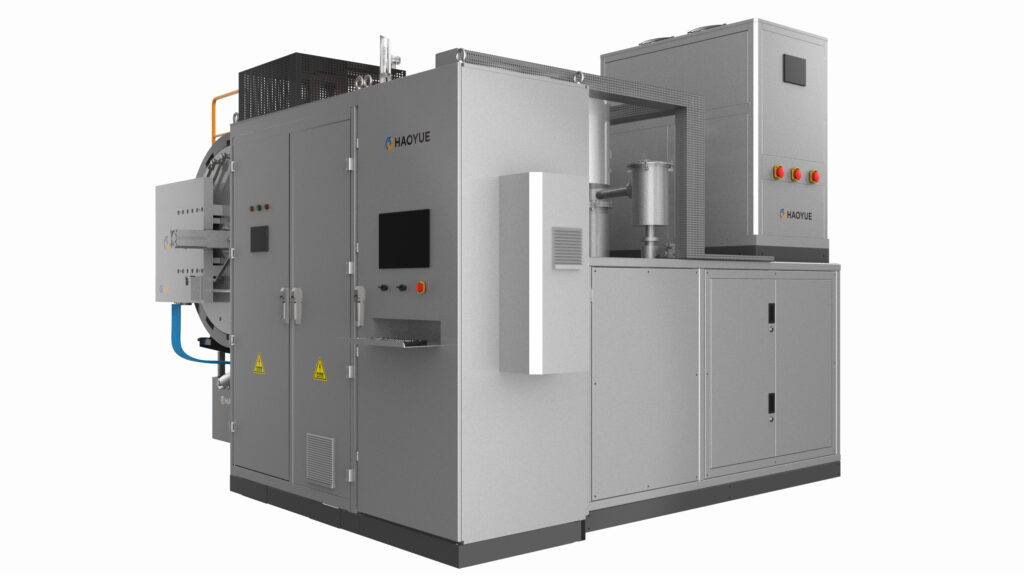





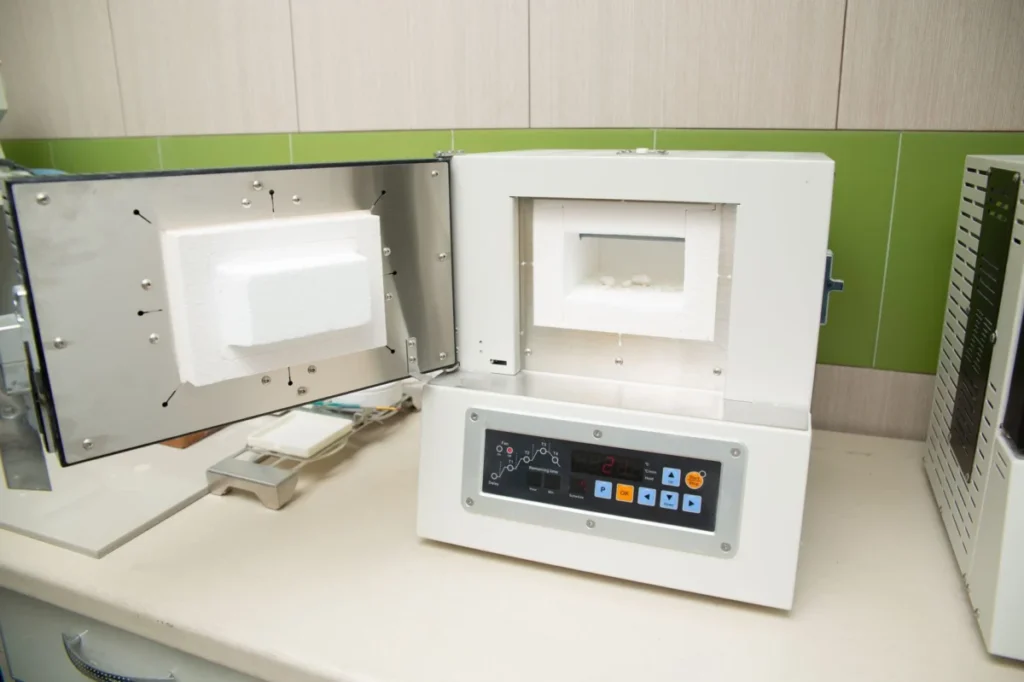
En la fabricación industrial moderna, lograr propiedades de materiales precisas requiere tecnología avanzada. procesamiento térmico solutions. For engineers and procurement specialists, selecting the right equipment begins with choosing an experienced fabricante de hornos de vacío o un especializado fabricante de hornos de sinterización al vacío. When evaluating procesamiento térmico setups, the first critical comparison often lies in choosing a horno de vacío frente a horno atmosférico. While atmosphere furnaces introduce specific gases to protect parts, vacuum systems completely eliminate atmospheric contaminants, providing an ultra-clean environment essential for high-performance metallurgy, advanced ceramics, and cleanroom-compatible applications.
Tecnologías avanzadas de sinterización y optimización de materiales
Sintering is a foundational process for producing dense, high-strength components from powder compacts. Depending on the material, the proceso de sinterización al vacío must be tailored precisely. For instance, structural ceramics require specialized profiles, such as those used in sinterización de carburo de silicio, el proceso de sinterización de zirconia, y el proceso de sinterización de alúmina. For refractory metals and hardmetals, precise thermal profiles are essential for sinterización de carburo de tungsteno y alta temperatura sinterización de molibdeno. Achieving theoretical density in these materials often involves advanced compaction technologies.
When selecting equipment, buyers often evaluate competing technologies like SPS frente a prensado en caliente. Spark Plasma Sintering (SPS) offers rapid heating rates and shorter cycle times, prompting many to consult an expert Fabricante de hornos SPS. Conversely, traditional hot pressing remains a robust choice for large-scale, uniform components, making a partnership with a reliable fabricante de hornos de prensado en caliente highly valuable. For post-processing and eliminating residual porosity, engineers frequently compare Sinterización por prensado en caliente (HIP) frente a sinterización al vacío. While hot isostatic pressing (HIP) from a reputable fabricante de HIP applies multi-directional gas pressure to eliminate internal voids, a standard vacuum furnace relies on thermal consolidation alone. Similarly, differentiating between sinterización al vacío frente a sinterización a presión is crucial when selecting a horno de sinterización a presión de gas, which combines vacuum heating with overpressure gas to suppress thermal decomposition in advanced silicon nitrides and ceramics.
Precision Heat Treatment and High-Vacuum Brazing
Beyond sintering, precise thermal cycles are necessary to alter the physical and chemical properties of metals. Working with a specialized fabricante de hornos de tratamiento térmico al vacío allows facilities to implement exact heating and quenching profiles. For example, the proceso de recocido al vacío restores ductility and relieves internal stresses in cold-worked metals, while the proceso de endurecimiento al vacío dramatically improves wear resistance and tensile strength without surface oxidation. These processes are critical for advanced metallurgy, including high-precision Tratamiento térmico de aleación de titanio.
For joining assembly components, partnering with a qualified fabricante de hornos de soldadura fuerte al vacío is essential. The clean environment of a vacuum furnace enables the proceso de soldadura fuerte al vacío to join dissimilar metals with exceptionally strong, leak-proof joints. When comparing soldadura fuerte al vacío frente a soldadura fuerte convencional, vacuum systems eliminate the need for corrosive fluxes, preventing post-braze cleaning steps and reducing joint contamination. For specialized applications requiring reducing atmospheres, a controlled-atmosphere horno de hidrógeno al vacío is used to clean oxide layers from metal surfaces during thermal processing. Additionally, in the microelectronics sector, a high-purity horno de vacío para semiconductores is vital for wafer processing, annealing, and thin-film crystallization under strict contamination controls.
Industry-Specific Thermal Solutions and Equipment Selection
Different industrial sectors demand highly customized thermal processing equipment. In the aerospace sector, safety and component integrity are paramount, relying on an horno de vacío aeroespacial y un certificado horno de tratamiento térmico aeroespacial to meet strict Nadcap standards. In the medical sector, bio-compatible materials require specialized thermal profiles; dental laboratories utilize a high-precision horno de vacío para implantes dentales, while orthopedic manufacturers rely on a larger horno de sinterización de implantes médicos to process titanium and cobalt-chromium implants. Additionally, the green energy sector utilizes a specialized horno de sinterización de material de batería to synthesize high-purity cathode and anode powders, while tool manufacturers require a heavy-duty horno de sinterización de herramientas de carburo para producir insertos de corte duraderos.
When configuring these advanced systems, choosing the correct heating chamber materials is a critical engineering decision. The debate of a horno de grafito frente a horno de molibdeno centers on temperature requirements and contamination sensitivity. Graphite hot zones offer excellent thermal uniformity and cost-efficiency at extreme temperatures, but can cause carbon contamination in certain alloys. Molybdenum hot zones, while more expensive, provide an ultra-clean, metal-sealed environment ideal for medical, aerospace, and semiconductor applications where carbon pickup is strictly prohibited.
Conclusión
Selecting the ideal thermal processing technology requires a deep understanding of material requirements, throughput goals, and industry standards. Whether you are optimizing a complex sintering cycle or selecting a highly specialized furnace for aerospace or medical applications, partnering with an industry-leading manufacturer ensures your equipment delivers the precise control, reliability, and thermal uniformity required for modern manufacturing excellence.