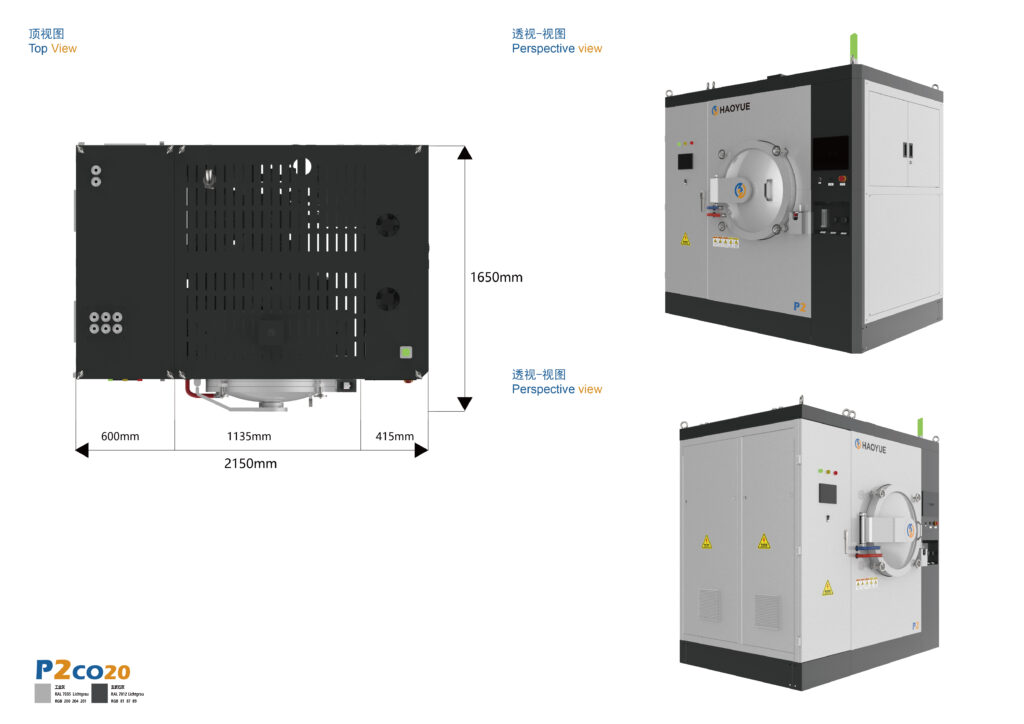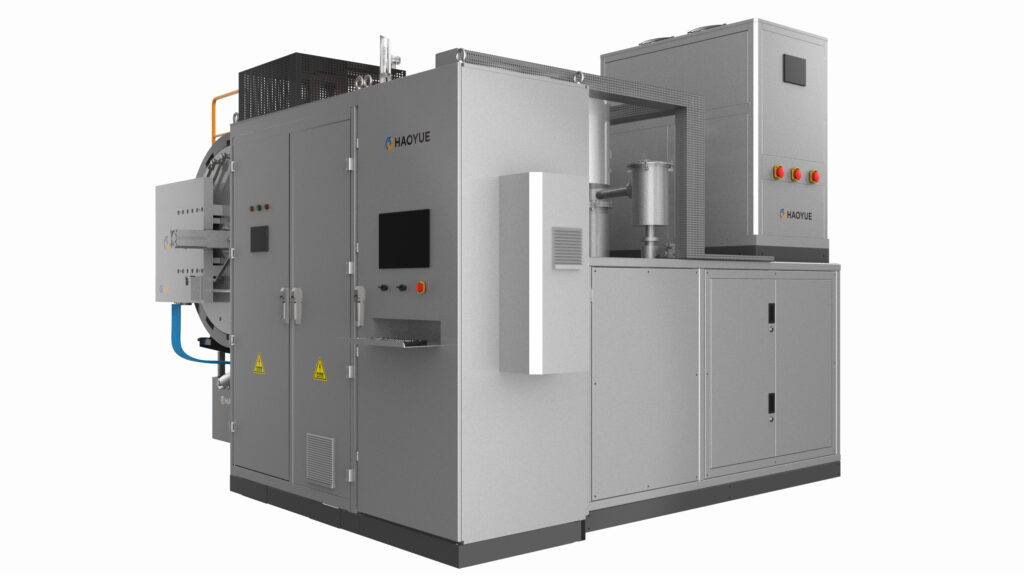






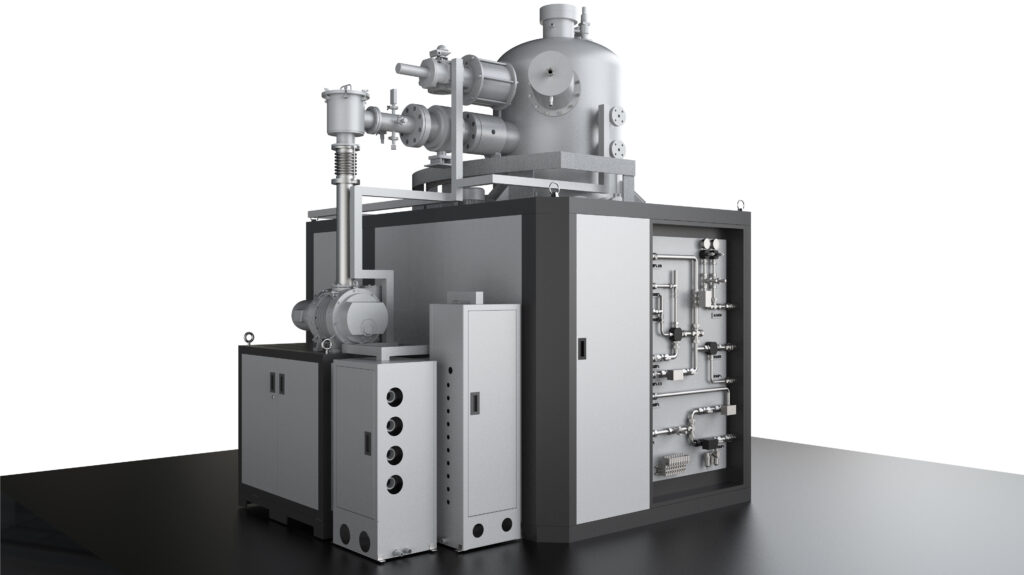
In the high-stakes arena of precision manufacturing, achieving consistent part quality while maintaining compliance to stringent standards is a persistent challenge. Industries such as aerospace and medical devices face the dual pressure of delivering high-precision components and meeting regulatory requirements like Nadcap and FDA compliance. The deployment of advanced vacuum sintering furnaces is proving to be a game-changer in addressing these issues.
Why Vacuum Sintering Furnaces Are Essential for High-Precision MIM Parts
Vacuum sintering furnaces offer a controlled environment crucial for manufacturing metal injection molding (MIM) parts. By maintaining high vacuum levels up to 10⁻⁶ mbar, these furnaces effectively minimize oxidation and contamination risks, ensuring the integrity and strength of the final product. This capability is especially critical in aerospace and medical applications where material properties must be impeccable.
Common challenges such as inconsistent sintering quality and production inefficiencies are mitigated through precise temperature control, with uniformity as tight as ±1°C. This ensures repeatability and consistency across batches, vital for sectors that demand unwavering reliability.
Key Features to Look for in a Hydrogen Molybdenum Furnace
Hydrogen molybdenum furnaces are pivotal in applications requiring high-temperature sintering equipment. Their ability to operate in a controlled atmosphere, often utilizing hydrogen gas, prevents oxidation and improves the mechanical properties of sintered parts. These furnaces are particularly effective in powder metallurgy sintering processes, where the purity and density of materials are paramount.
Industrial buyers should note technical specifications such as temperature capabilities exceeding 1600°C, and advanced safety features that ensure operator protection and equipment longevity. The integration of automated systems also enhances process stability and efficiency, reducing operational costs significantly.
Enhancing Process Stability with Vacuum Brazing and Diffusion Bonding
Vacuum brazing and diffusion bonding are sophisticated joining techniques that benefit greatly from vacuum technology. By eliminating air and other impurities, vacuum heat treatment produces high-integrity joints essential for complex component assemblies. These methods are instrumental in industries like aerospace, where structural integrity and weight reduction are key priorities.
The precision of these processes is supported by vacuum levels and temperature control, ensuring that each cycle is repeatable and compliant with industry standards such as AMS and ISO.
Industry Standards and Compliance Considerations
Compliance with industry standards is non-negotiable. Vacuum furnace technologies are designed to meet and exceed standards like Nadcap for aerospace and ISO 13485 for medical devices, ensuring that production processes are not only efficient but also compliant. This mitigates risks associated with non-compliance, such as product recalls or certification failures.
For custom sintering solutions tailored to your production needs, reach out to our engineering team to discuss your project requirements. Whether you are an engineer seeking technical datasheets, a procurement manager looking for quotations, or a quality control professional in need of compliance validation, we provide comprehensive support to enhance your manufacturing capabilities.
Related Products & Services
- Vacuum Sintering Furnace – Advanced sintering solutions from HaoYue Group.
- Vacuum Brazing Process Guide
- Vacuum Heat Treatment Process Guide
Looking for high-quality vacuum furnace solutions? Contact HaoYue Group for more information.
Related Products & Services
- Vacuum Sintering Furnace – Advanced sintering solutions from HaoYue Group.
- Vacuum Brazing Process Guide
- Vacuum Heat Treatment Process Guide
Looking for high-quality vacuum furnace solutions? Contact HaoYue Group for more information.