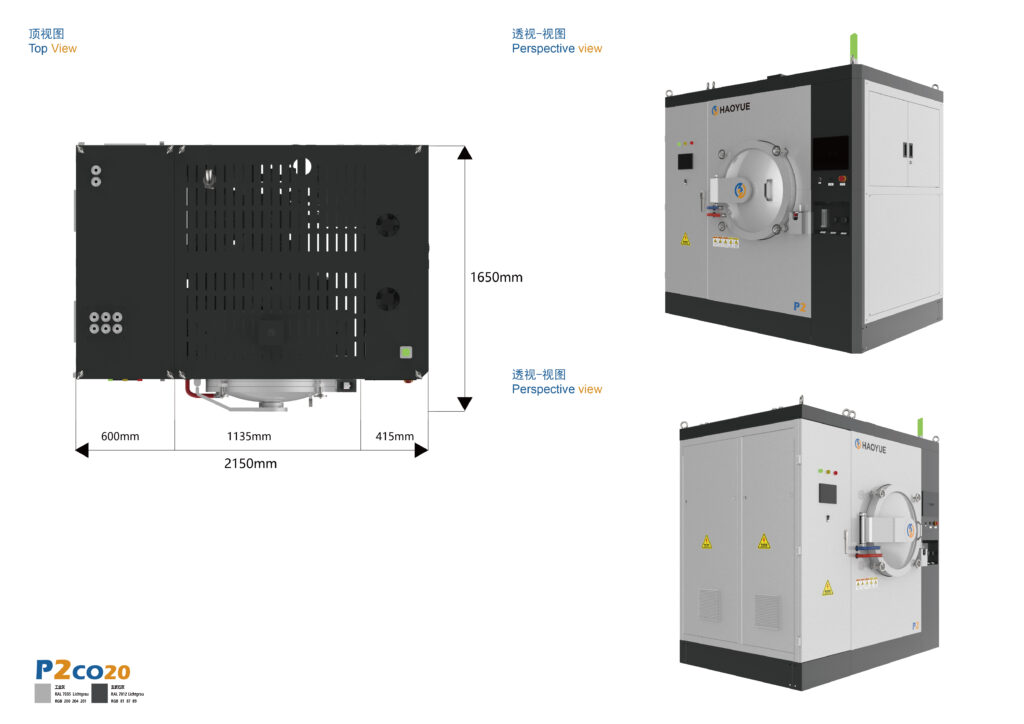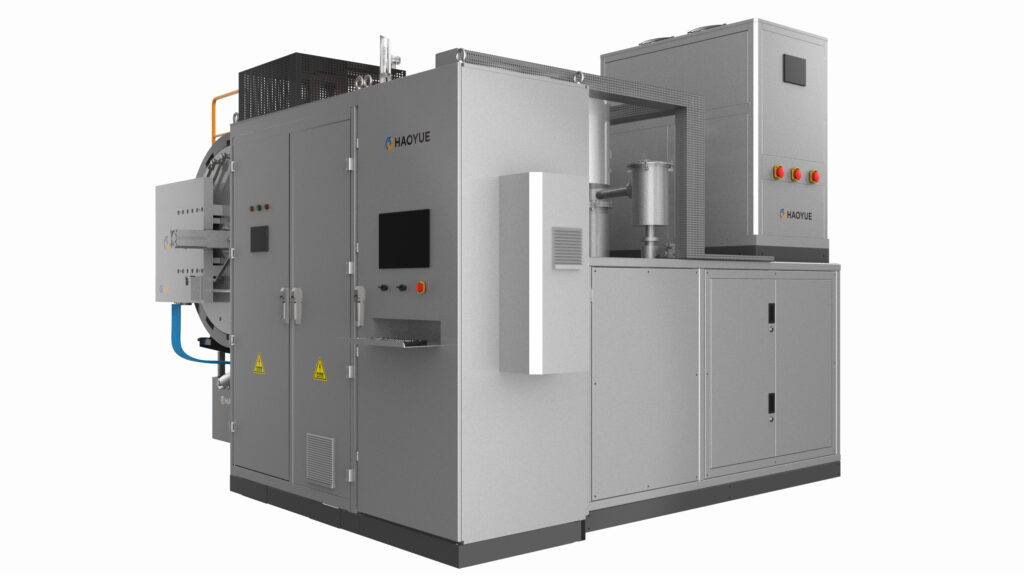





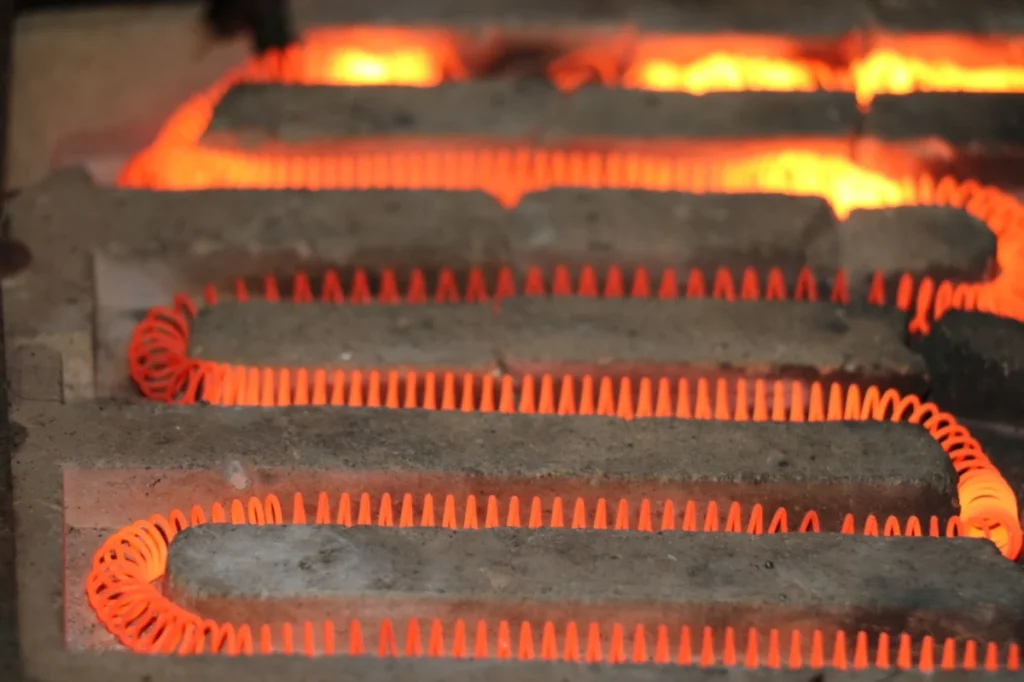
In the high-precision world of modern metallurgy, advanced ceramics, and semiconductor manufacturing, achieving optimal material properties requires precise control over thermal environments. Selecting the right المعالجة الحرارية equipment is a critical decision for engineers and procurement specialists alike. Partnering with an experienced مصنع أفران التفريغ ensures access to the cutting-edge technology needed to meet strict aerospace, medical, and industrial standards. From sintering advanced structural ceramics to executing complex metal joining, the choice of equipment directly dictates the quality, density, and performance of the final component.
تقنيات التلبيد المتقدمة ودمج المواد
Sintering is a cornerstone process for producing dense, high-strength materials from powder compacts. The عملية التلبيد الفراغي is highly favored for its ability to eliminate impurities and prevent oxidation during high-temperature cycles. For instance, achieving theoretical density in advanced ceramics like تلبيد كربيد السيليكون, عملية تلبيد الزركونيا, ، و عملية تلبيد الألومينا requires precise thermal profiles and high vacuum levels. Similarly, refractory metals and hard alloys rely on specialized thermal cycles, such as تلبيد كربيد التنجستن و تلبيد الموليبدينوم, to ensure uniform grain structures and eliminate porosity.
When choosing a consolidation method, engineers often evaluate different thermodynamic pathways. A common debate centers on SPS مقابل الكبس الساخن. Spark Plasma Sintering (SPS) utilizes pulsed direct current to generate internal heating, allowing for ultra-fast consolidation, which makes consulting an experienced شركة تصنيع أفران SPS vital for rapid prototyping and nanomaterial development. Conversely, a مصنع أفران الضغط الساخن provides systems that apply uniaxial pressure and external heat simultaneously, which is excellent for larger, less complex geometries. Another critical comparison is الضغط المتساوي الساخن مقابل التلبيد الفراغي. While standard vacuum sintering is highly cost-effective, Hot Isostatic Pressing (HIP)—offered by a specialized مصنع منتجات الورك—uses high-pressure inert gas to eliminate internal voids, achieving near-perfect density in critical aerospace parts. For materials requiring moderate pressure to prevent decomposition, a فرن تلبيد يعمل بضغط الغاز offers a balanced solution, highlighting the trade-offs in التلبيد الفراغي مقابل التلبيد بالضغط.
Precision Joining and Advanced Heat Treatment Processes
Beyond powder metallurgy, vacuum thermal systems are indispensable for joining and hardening operations. The عملية اللحام بالتفريغ has revolutionized high-strength metal joining by allowing assemblies to be bonded without flux, resulting in exceptionally clean, oxide-free joints. When comparing اللحام بالتفريغ مقابل اللحام التقليدي, vacuum systems eliminate the risk of corrosive flux entrapment and minimize distortion in complex assemblies. Working with a dedicated مصنع أفران اللحام الفراغي allows industries to design custom fixtures and heating elements tailored to complex geometries.
For structural metals, precise heat treatment is necessary to achieve specific mechanical properties. A مصنع أفران المعالجة الحرارية بالتفريغ designs systems capable of executing precise thermal cycles, including the عملية التلدين الفراغي to relieve internal stresses and improve ductility, and the عملية التصليد بالتفريغ to maximize wear resistance. These capabilities are especially critical for advanced alloys, such as in معالجة حرارية لسبائك التيتانيوم, where even trace atmospheric contamination can lead to embrittlement.
Optimizing Furnace Configurations: Heating Elements and Environments
Selecting the internal architecture of a vacuum furnace is another critical engineering decision. The debate of فرن الجرافيت مقابل فرن الموليبدينوم centers on temperature requirements, cleanliness, and material compatibility. Graphite hot zones are highly cost-effective and durable at extreme temperatures, whereas molybdenum hot zones are mandatory for cleanroom environments where carbon contamination must be strictly avoided. Additionally, understanding the differences between a فرن التفريغ مقابل فرن الغلاف الجوي is essential; while atmosphere furnaces use protective gases at ambient pressure, vacuum furnaces provide a superior clean environment and lower residual oxygen levels. For applications requiring reducing environments to eliminate oxides, a specialized فرن الهيدروجين المفرغ من الهواء provides safe, controlled hydrogen atmospheres at high temperatures.
حلول المعالجة الحرارية الخاصة بالصناعة
Different industries demand highly tailored المعالجة الحرارية environments. In the aerospace sector, safety and reliability are paramount. Utilizing an فرن تفريغ الهواء في صناعة الطيران أو معتمد فرن المعالجة الحرارية في مجال الطيران ensures compliance with strict AMS2750 standards for critical turbine blades and structural components. In the medical sector, biocompatibility is key; a فرن تلبيد الغرسات الطبية is engineered to process orthopedic implants with zero contamination, while a high-precision فرن تفريغ لزراعة الأسنان ensures the aesthetic and mechanical integrity of zirconia crowns.
The electronics and energy sectors also rely heavily on specialized thermal systems. A فرن تفريغ أشباه الموصلات is crucial for wafer processing, MEMS packaging, and sensor manufacturing under ultra-clean conditions. In the green energy space, a فرن تلبيد مواد البطاريات optimizes the electrochemical properties of anode and cathode powders. Finally, for the manufacturing of heavy-duty cutting tools, a specialized فرن تلبيد أدوات الكربيد ensures the precise hardness and fracture toughness required for demanding machining applications. Partnering with a comprehensive مصنع أفران التلبيد الفراغي ensures that your equipment is engineered to meet these diverse, industry-specific challenges.