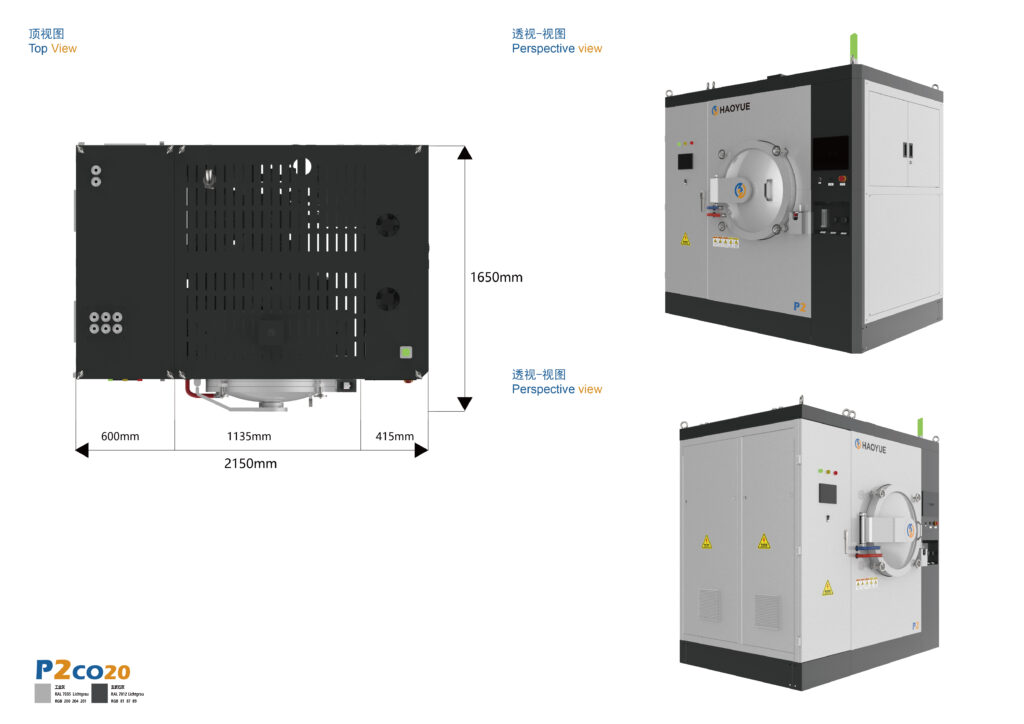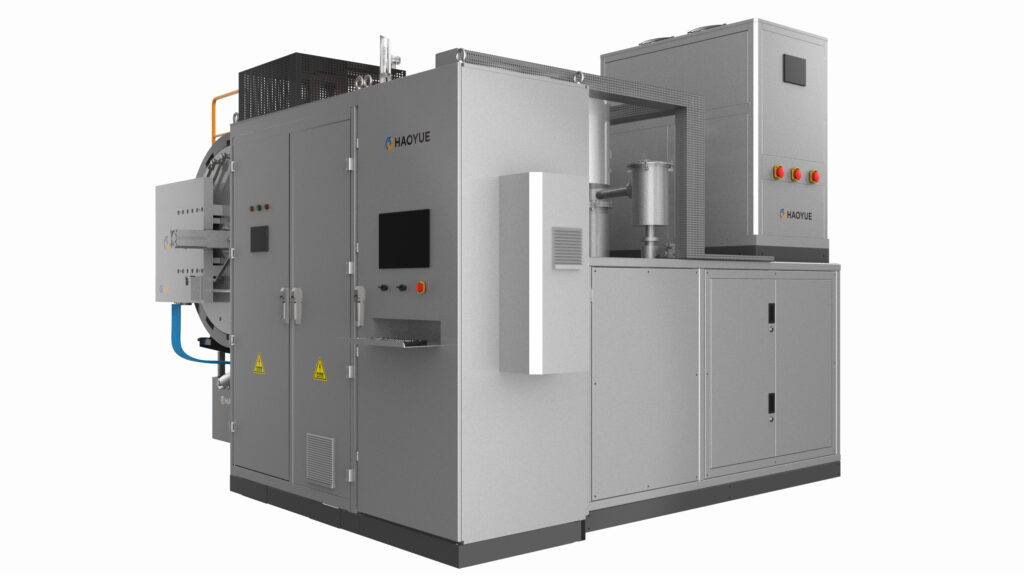






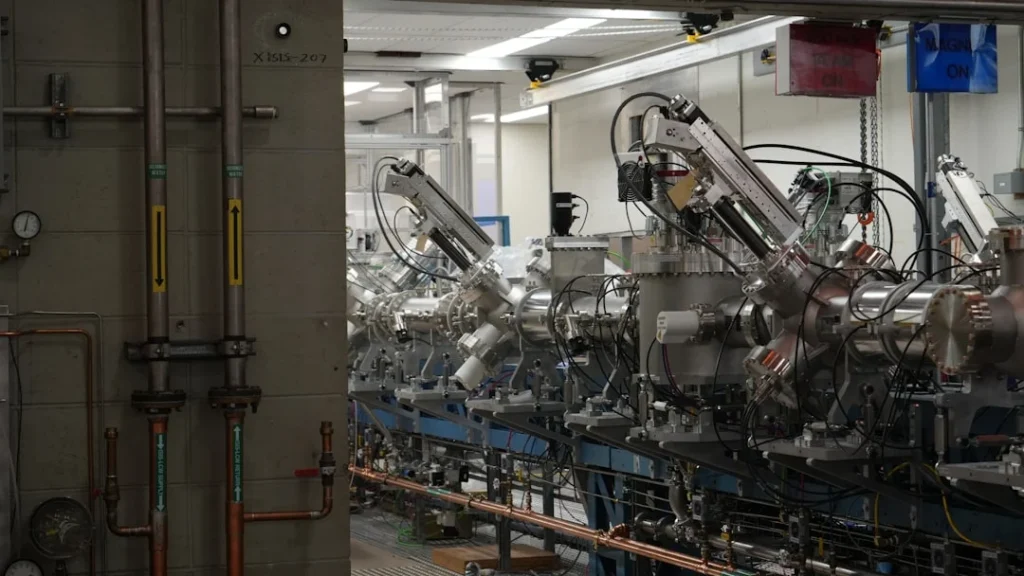
In the high-precision world of advanced metallurgy, technical ceramics, and semiconductor manufacturing, selecting the right thermal processing equipment is a critical decision for engineering teams. Choosing a reputable vacuum furnace manufacturer or a specialized vacuum sintering furnace manufacturer can directly impact production yield and material properties. One of the fundamental decisions engineers face is choosing between a vacuum furnace vs atmosphere furnace. While atmosphere units rely on protective gas flows, vacuum systems eliminate impurities entirely, preventing oxidation and decarburization during critical thermal cycles.
For advanced ceramic applications, executing a precise vacuum sintering process is essential. This is particularly true for high-performance materials requiring silicon carbide sintering, a meticulous zirconia sintering process, or a high-purity alumina sintering process. Similarly, in powder metallurgy, achieving optimal density during tungsten carbide sintering and molybdenum sintering requires exact thermal profiles. Industrial facilities often deploy a dedicated carbide tool sintering furnace or a high-throughput battery material sintering furnace to meet these stringent microstructural requirements.
When standard sintering is insufficient to eliminate porosity, engineers must evaluate advanced pressure-assisted methods. Understanding the differences between Spark Plasma Sintering and Hot Isostatic Pressing is crucial—specifically when comparing SPS vs hot pressing or evaluating HIP vs vacuum sintering. Partnering with an experienced SPS furnace manufacturer, a hot pressing furnace manufacturer, or a global HIP manufacturer ensures that the selected machinery matches your mechanical density targets. Additionally, comparing vacuum sintering vs pressure sintering helps determine whether a standard vacuum system or a specialized gas pressure sintering furnace is required for dense, defect-free components.
Beyond sintering, precise thermal modification is vital for structural integrity. Working with a leading vacuum heat treatment furnace manufacturer allows aerospace and medical OEMs to execute a flawless vacuum annealing process or a rapid vacuum hardening process. For instance, critical components undergo rigorous titanium alloy heat treatment inside an aerospace heat treatment furnace or a multi-zone aerospace vacuum furnace to satisfy strict Nadcap standards. These systems ensure minimal distortion and clean surface finishes for high-stress aerospace applications.
Joining technologies have also evolved significantly under vacuum conditions. When analyzing vacuum brazing vs conventional brazing, the advantages of operating under vacuum become clear: stronger joints, flux-free processing, and minimal residual stress. A specialized vacuum brazing furnace manufacturer can design systems optimized for a high-yield vacuum brazing process. Furthermore, for reduction reactions and semiconductor applications, utilizing a vacuum hydrogen furnace or an ultra-clean semiconductor vacuum furnace is essential to maintain absolute purity and prevent contamination during wafer and sensor processing.
Finally, the internal architecture of the furnace must align with the target process. Engineers often debate the merits of a graphite furnace vs molybdenum furnace, balancing thermal efficiency against contamination risks. For medical applications, cleanrooms require highly specialized equipment such as a medical implant sintering furnace or a compact dental implant vacuum furnace to process biocompatible titanium and zirconia restorations. Ultimately, selecting the correct thermal processing technology ensures long-term operational success, high repeatability, and superior material performance.