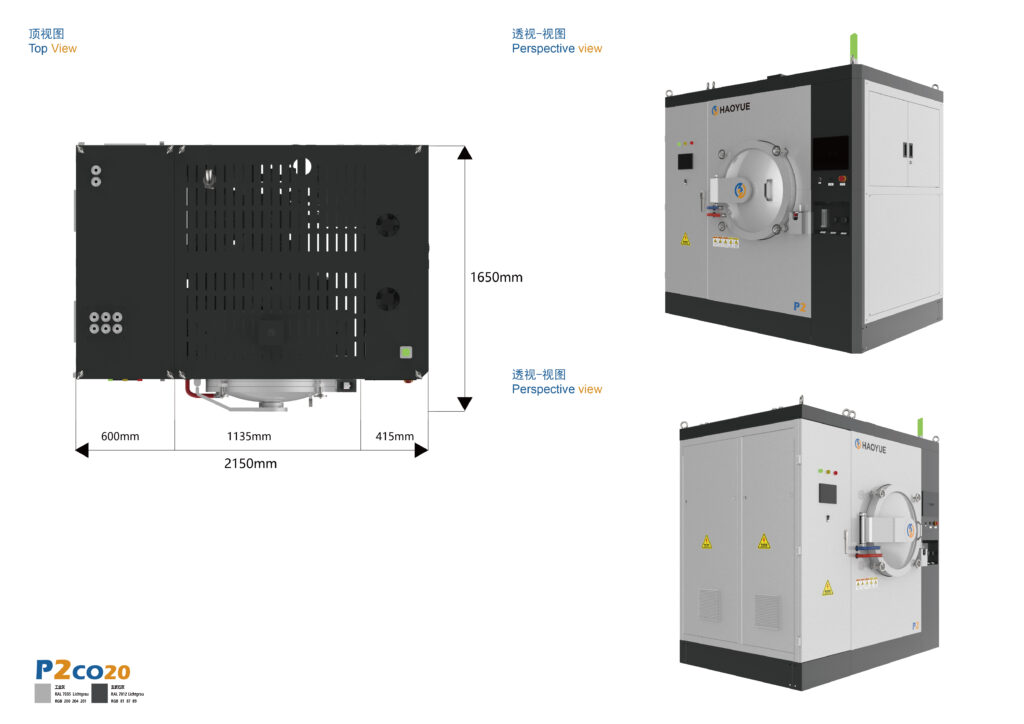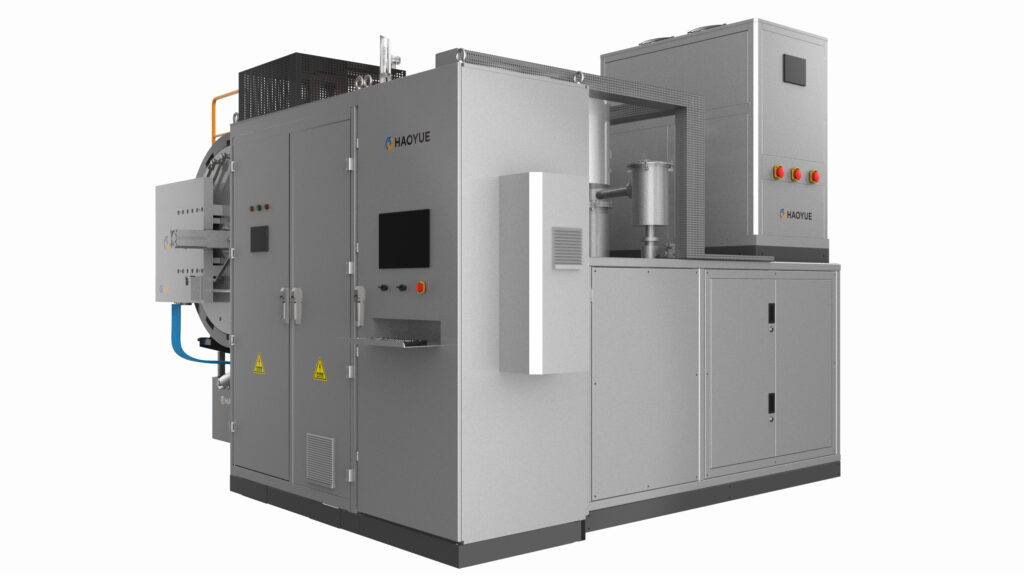






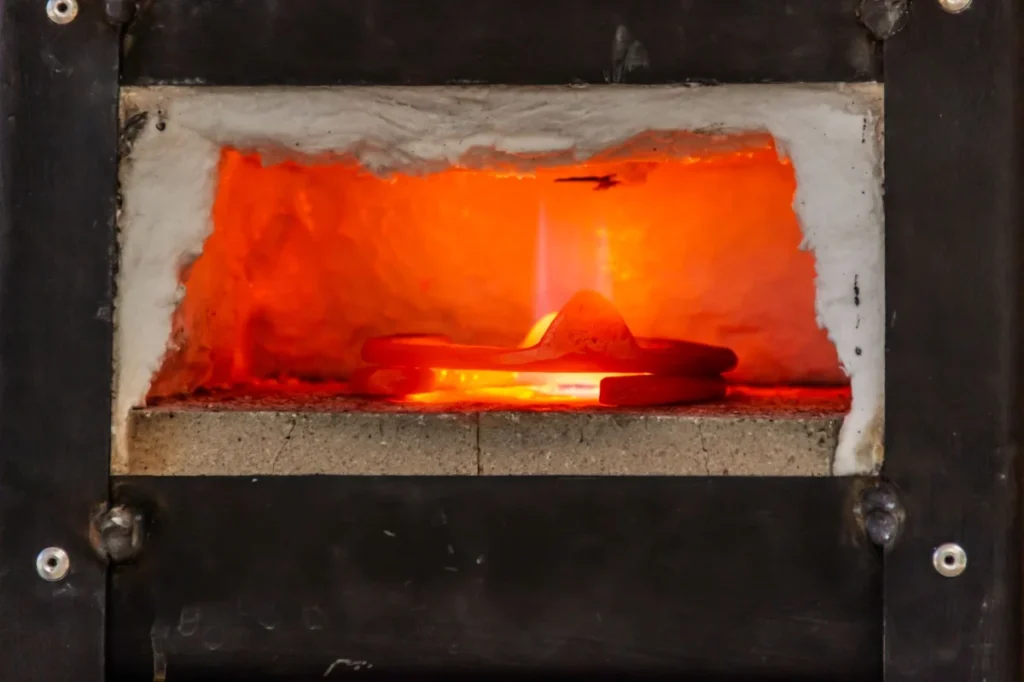
In the rapidly evolving landscape of advanced metallurgy, precision manufacturing, and high-performance ceramics, selecting the right thermal processing technology is paramount to achieving superior material properties. As a leading vacuum furnace manufacturer and dedicated vacuum sintering furnace manufacturer, we understand that the modern industrial landscape demands unprecedented control over temperature, pressure, and atmosphere. From aerospace components to medical devices, thermal processing requires a deep understanding of thermodynamics and material science to transform raw powders and joined assemblies into high-density, defect-free final products.
Key Technological Comparisons in Thermal Processing
When designing a thermal processing line, engineers must weigh the advantages of different consolidation and heating methods. A common starting point is evaluating a vacuum furnace vs atmosphere furnace. While atmosphere furnaces introduce inert gases to prevent oxidation, vacuum furnaces completely eliminate oxygen, preventing even trace contamination. When choosing between hot zones, the debate of a graphite furnace vs molybdenum furnace is central; graphite systems offer excellent thermal shock resistance and cost efficiency at extreme temperatures, whereas molybdenum hot zones are critical for ultra-clean applications like electronics and medical devices where carbon contamination must be strictly avoided.
For powder metallurgy and advanced ceramics, understanding SPS vs hot pressing is vital. Spark Plasma Sintering (SPS) utilizes pulsed direct current to rapidly heat materials under pressure, offering significantly faster cycle times than traditional hot pressing. When comparing post-processing densification, analyzing HIP vs vacuum sintering reveals that Hot Isostatic Pressing (HIP) uses high gas pressures to eliminate internal voids, whereas the standard vacuum sintering process relies on capillary forces and solid-state diffusion. For materials prone to thermal decomposition, the choice of vacuum sintering vs pressure sintering determines whether a partial vacuum or an overpressure of nitrogen or argon is required to maintain stoichiometric stability.
Advanced Equipment Portfolio for Specialized Applications
To meet these diverse industrial demands, selecting a specialized equipment partner is essential. Working with an experienced SPS furnace manufacturer or a hot pressing furnace manufacturer ensures your equipment can handle extreme pressure and rapid thermal cycles simultaneously. For components requiring maximum structural integrity, a certified HIP manufacturer can provide high-pressure vessels capable of eliminating microscopic pores. Meanwhile, a premier vacuum heat treatment furnace manufacturer designs systems optimized for precise quenching and phase transformations, and a specialized vacuum brazing furnace manufacturer provides the uniform thermal profiles necessary for joining dissimilar metals without flux.
In specialized sectors like microelectronics, the semiconductor vacuum furnace is indispensable for wafer annealing and thin-film deposition under ultra-high vacuum conditions. For reactive metals like titanium and tantalum, a vacuum hydrogen furnace introduces controlled hydrogen atmospheres to reduce surface oxides before sintering. Additionally, a gas pressure sintering furnace combines vacuum heating with high-pressure gas quenching, allowing for the consolidation of advanced structural ceramics with complex geometries.
Optimizing Sintering and Heat Treatment Processes
Achieving optimal material properties relies on executing the correct thermal cycle. The vacuum brazing process offers clean, flux-free joints with minimal distortion, showcasing the clear advantages of vacuum brazing vs conventional brazing in terms of joint strength and aesthetic finish. For structural components, the vacuum annealing process relieves internal stresses induced by machining, while the vacuum hardening process enhances wear resistance through controlled heating and rapid gas quenching.
Material-specific parameters are highly critical. For instance, silicon carbide sintering requires temperatures exceeding 2000°C under precise inert atmospheres to achieve full density. The zirconia sintering process and alumina sintering process are fundamental in producing high-strength bio-ceramics and wear-resistant components. In the tooling sector, tungsten carbide sintering and molybdenum sintering ensure that refractory metal alloys achieve their maximum theoretical density and hardness. For aerospace applications, specialized titanium alloy heat treatment cycles are used to optimize the alpha-beta phase distribution, ensuring exceptional fatigue resistance.
Industry-Specific Thermal Solutions
Different sectors demand tailored thermal environments. The aerospace sector relies heavily on the aerospace vacuum furnace and aerospace heat treatment furnace to process critical turbine blades, structural fasteners, and landing gear components under strict NADCAP standards. In the medical field, a specialized medical implant sintering furnace is used to produce orthopedic implants with porous surfaces that promote osseointegration, while a dental implant vacuum furnace ensures precise, translucent dental crowns and bridges. For the clean energy sector, the battery material sintering furnace is key to synthesizing high-capacity cathode powders. Finally, a high-throughput carbide tool sintering furnace is essential for tooling manufacturers to produce high-precision cutting inserts and wear parts with uniform microstructures.