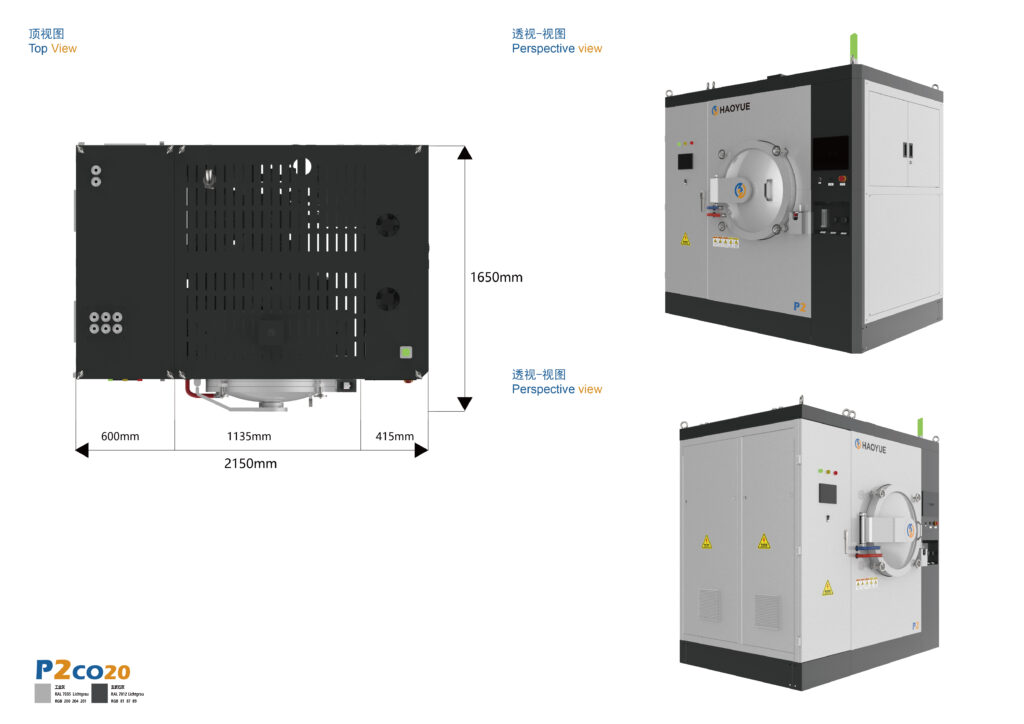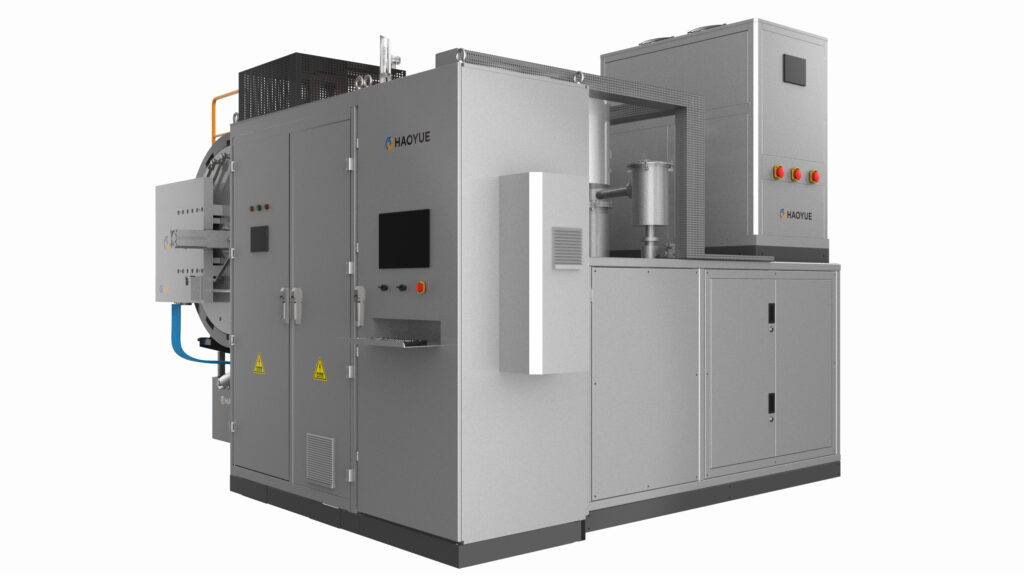






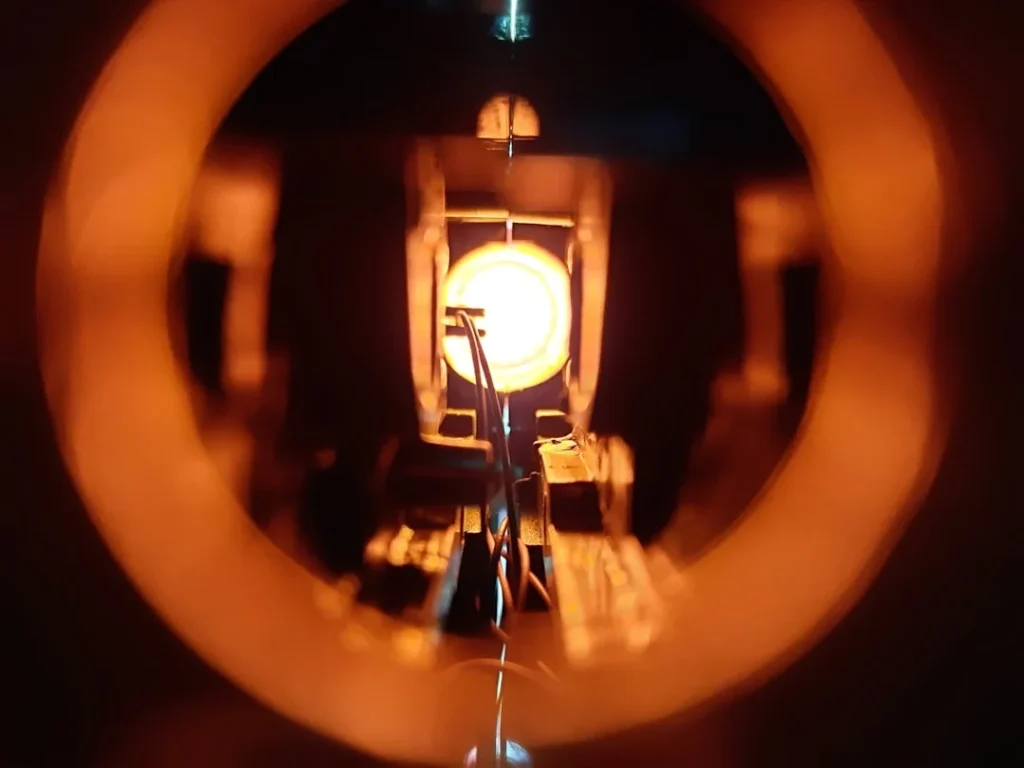
In high-precision manufacturing, selecting the right thermal processing equipment is critical to achieving superior material properties. As a leading vacuum furnace manufacturer, we understand that modern engineering demands extreme reliability, purity, and thermal uniformity. Whether you are executing a delicate vacuum sintering process or heat-treating flight-critical components in an aerospace vacuum furnace, understanding the nuances of advanced thermal systems is the key to optimizing your production workflow.
Advanced Sintering Technologies and Equipment Selection
Sintering is a foundational method for producing high-density, high-performance materials. When evaluating options, consulting a specialized vacuum sintering furnace manufacturer is essential for tailoring equipment to specific material profiles. For instance, advanced ceramic applications such as silicon carbide sintering, the zirconia sintering process, and the alumina sintering process require precise temperature profiles and high vacuum levels to prevent oxidation and ensure structural integrity. Similarly, powder metallurgy processes like tungsten carbide sintering and molybdenum sintering demand rigorous environmental control to eliminate porosity.
Depending on your technical requirements, different sintering modalities offer distinct advantages. When comparing SPS vs hot pressing, Spark Plasma Sintering (SPS) provides rapid heating rates and shorter cycle times, making it highly efficient. Partnering with an experienced SPS furnace manufacturer or a hot pressing furnace manufacturer can help you determine which system fits your throughput needs. For ultra-high-density requirements, engineers often evaluate HIP vs vacuum sintering. While a standard vacuum sintering process yields excellent results for most parts, Hot Isostatic Pressing (HIP) utilizes high gas pressure to eliminate internal voids, a process best discussed with an industry-certified HIP manufacturer. For specific powder compactions, analyzing vacuum sintering vs pressure sintering will reveal whether uniaxial pressure or isotropic gas pressure is necessary, often leading to the integration of a specialized gas pressure sintering furnace.
Precision Heat Treatment and Brazing Solutions
Beyond sintering, thermal modification of metals requires highly specialized systems. Working with a dedicated vacuum heat treatment furnace manufacturer ensures that processes like the vacuum annealing process and vacuum hardening process achieve exact metallurgical properties without surface decarburization. These systems are particularly vital for critical applications such as titanium alloy heat treatment, where any atmospheric contamination can lead to embrittlement.
For joining complex assemblies, a vacuum brazing furnace manufacturer can provide systems that execute a flawless vacuum brazing process. When comparing vacuum brazing vs conventional brazing, vacuum environments eliminate the need for corrosive fluxes, resulting in cleaner, stronger joints that are free of oxidation. For materials highly sensitive to oxidation or requiring reduction reactions, a vacuum hydrogen furnace offers a controlled, reducing atmosphere that ensures pristine surface finishes.
Industry-Specific Applications and Hot Zone Configurations
Different industries require targeted thermal solutions to meet strict regulatory and performance standards. In high-stakes sectors, utilizing an aerospace heat treatment furnace is mandatory to meet AMS2750 standards. For healthcare, utilizing a medical implant sintering furnace or a dental implant vacuum furnace ensures biocompatibility and absolute purity in orthopedic and dental prosthetics. In the energy sector, a specialized battery material sintering furnace is crucial for synthesizing high-performance anode and cathode powders, while the tooling sector relies on a carbide tool sintering furnace to produce ultra-hard cutting inserts.
In high-tech electronics, a specialized semiconductor vacuum furnace is indispensable for wafer processing and advanced packaging. When configuring these systems, engineers face critical design decisions. A fundamental comparison is vacuum furnace vs atmosphere furnace; while atmosphere furnaces use protective gases, vacuum furnaces provide a superior contaminant-free environment. Furthermore, choosing the right hot zone material—such as evaluating graphite furnace vs molybdenum furnace—is vital. Graphite hot zones offer cost-effectiveness and durability for high-temperature carbon-friendly processes, whereas molybdenum hot zones are essential for cleanroom environments, semiconductor applications, and metals sensitive to carbon contamination.
Conclusion
Selecting the ideal thermal processing system requires a deep understanding of your material requirements, production volumes, and industry standards. By partnering with an established manufacturer, you can customize your vacuum systems to achieve unparalleled precision, efficiency, and product quality across all your thermal processing operations.