





In the rapidly evolving landscape of advanced metallurgy, technical ceramics, and semiconductor manufacturing, selecting the precise thermal processing technology is paramount to achieving superior material properties. As modern engineering demands tighter tolerances, higher purity, and flawless microstructures, the choice of thermal equipment can dictate the success of high-performance components. Understanding the underlying thermal dynamics and choosing the appropriate equipment configuration are critical steps for engineers and procurement specialists looking to optimize their production lines.
Comparative Analysis of Advanced Thermal Technologies
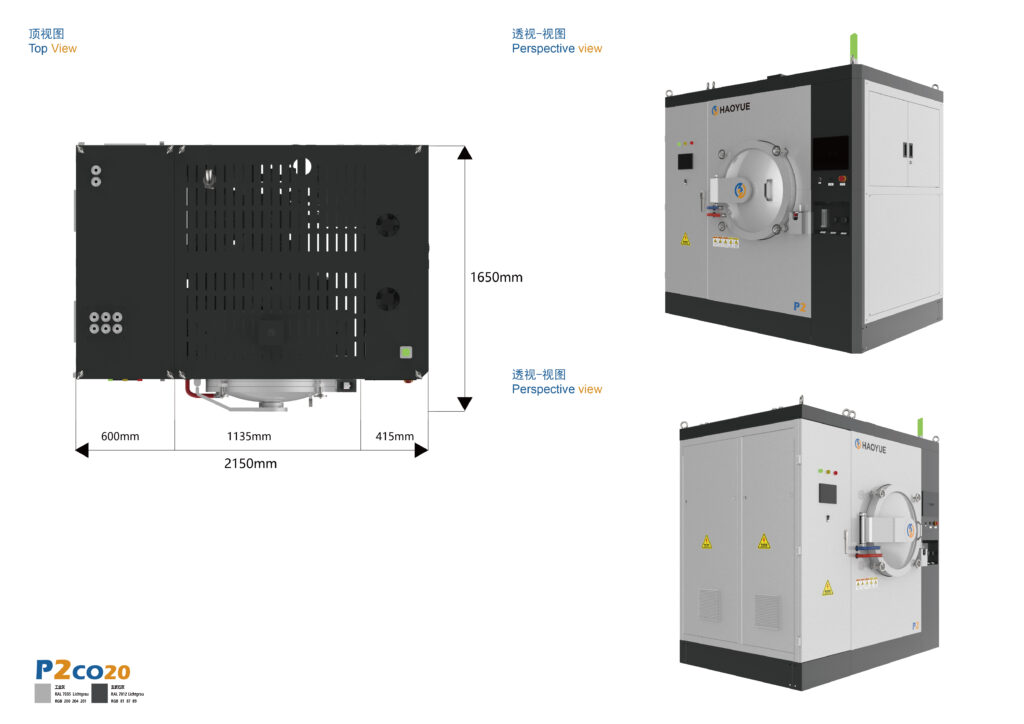
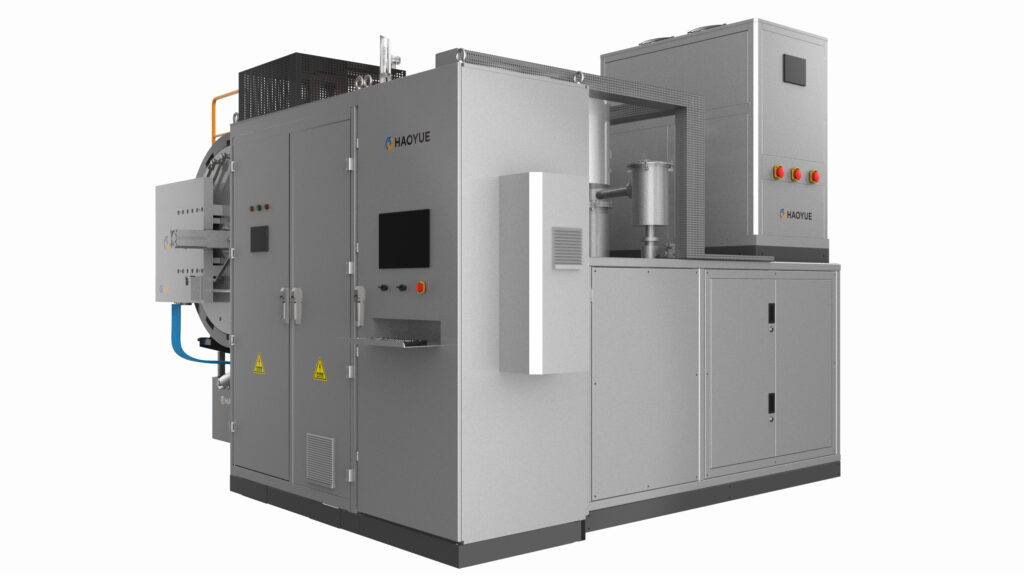
When evaluating thermal systems, engineers often compare a vacuum furnace vs atmosphere furnace to determine the optimal environment for preventing oxidation and decarburization. While atmosphere furnaces introduce protective gases, vacuum environments completely eliminate residual oxygen, ensuring pristine surface finishes. For ultra-dense ceramic and composite materials, comparing SPS vs hot pressing (Spark Plasma Sintering vs Hot Pressing) helps determine the speed and pressure dynamics required, with SPS offering rapid heating rates and shorter cycle times. Similarly, evaluating HIP vs vacuum sintering (Hot Isostatic Pressing) is crucial for eliminating internal porosity, as HIP utilizes high-pressure inert gas to achieve near-theoretical density. Furthermore, understanding the nuances of vacuum sintering vs pressure sintering allows manufacturers to balance cost, throughput, and density requirements.
Inside the heating chamber, the choice of heating elements and insulation—specifically a graphite furnace vs molybdenum furnace—profoundly affects temperature uniformity, maximum operating limits, and chemical compatibility with the workload. Graphite zones are highly durable and cost-effective for high-temperature carbon-tolerant materials, whereas molybdenum hot zones are mandatory for cleanroom-grade, carbon-free applications. Finally, when joining critical assemblies, leveraging vacuum brazing vs conventional brazing guarantees flux-free, high-strength joints that are essential in high-vacuum and high-stress environments, eliminating the need for post-braze chemical cleaning.
Mastering Advanced Sintering and Heat Treatment Processes
Advanced material processing relies heavily on specialized, highly controlled thermal cycles. For example, the vacuum sintering process is fundamental for consolidating powder metals and advanced ceramics without atmospheric contamination. Similarly, the vacuum brazing process creates seamless, leak-tight joints in complex heat exchangers and electronic assemblies, while a precise vacuum annealing process relieves internal stresses in cold-worked metals, restoring ductility. For high-strength steel alloys, a rigorous vacuum hardening process ensures maximum wear resistance and hardness with minimal distortion.
These thermal processes are highly material-specific and demand precise control algorithms:
- Silicon carbide sintering requires extreme temperatures up to 2200°C and highly controlled environments to achieve high thermal conductivity and hardness.
- The zirconia sintering process and the alumina sintering process are vital for dental, medical, and structural ceramics, ensuring optimal grain growth and mechanical strength.
- In the tooling sector, tungsten carbide sintering yields ultra-hard cutting inserts and wear parts by perfectly controlling the cobalt binder phase.
- For refractory metals, molybdenum sintering preserves the purity and ductile-to-brittle transition temperature of the material.
- For critical aerospace flight components, specialized titanium alloy heat treatment cycles optimize fatigue life, tensile strength, and microstructure phase distribution.
Industry-Specific Thermal Solutions
Different high-tech sectors demand highly customized thermal solutions tailored to strict regulatory and performance standards. In aerospace, an aerospace vacuum furnace and a dedicated aerospace heat treatment furnace are indispensable for certifying turbine blades, landing gear, and structural components under strict Nadcap guidelines. In the biomedical field, a medical implant sintering furnace ensures the absolute biocompatibility and mechanical integrity of orthopedic devices, while a compact dental implant vacuum furnace provides the precise, clean thermal profiles needed for aesthetic and durable dental prosthetics.
The electronics industry relies heavily on high-purity semiconductor vacuum furnace systems for wafer processing, thin-film deposition, and packaging. Concurrently, the energy sector utilizes a specialized battery material sintering furnace to synthesize high-capacity anode and cathode powders under strict atmospheric control. For heavy industrial tooling, a high-throughput carbide tool sintering furnace delivers the extreme hardness and density required for heavy-duty metalworking and mining drills.
Selecting the Right Equipment Manufacturer
To implement these complex thermal cycles successfully, partnering with a leading-edge equipment manufacturer is critical. Whether you require a specialized vacuum sintering furnace manufacturer, a versatile vacuum furnace manufacturer, or an innovative SPS furnace manufacturer, selecting a vendor with proven engineering expertise and custom design capabilities is key. For high-pressure consolidation, working with an experienced hot pressing furnace manufacturer or a globally recognized HIP manufacturer ensures your system can safely withstand extreme pressure and temperature profiles.
Precision thermal processing also demands specialized systems from a vacuum heat treatment furnace manufacturer or a vacuum brazing furnace manufacturer. For advanced electronics, chemical processing, or hydrogen metallurgy, a specialized semiconductor vacuum furnace, a highly controlled vacuum hydrogen furnace, or a robust gas pressure sintering furnace provides the precise atmospheric control, safety interlocks, and thermal uniformity needed to push the boundaries of modern material science.