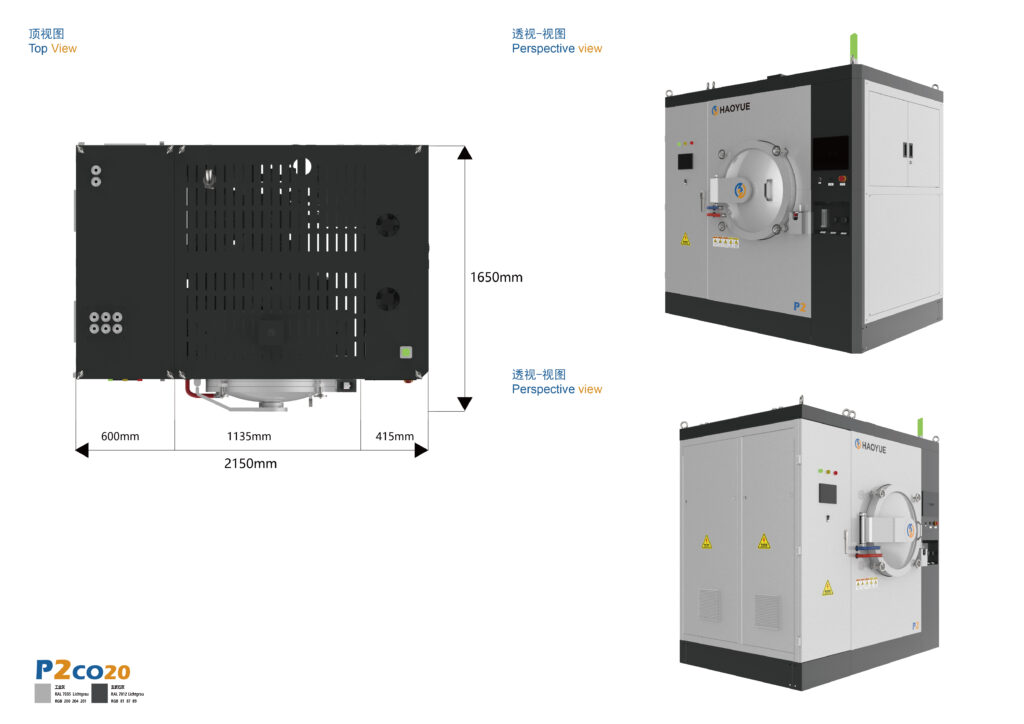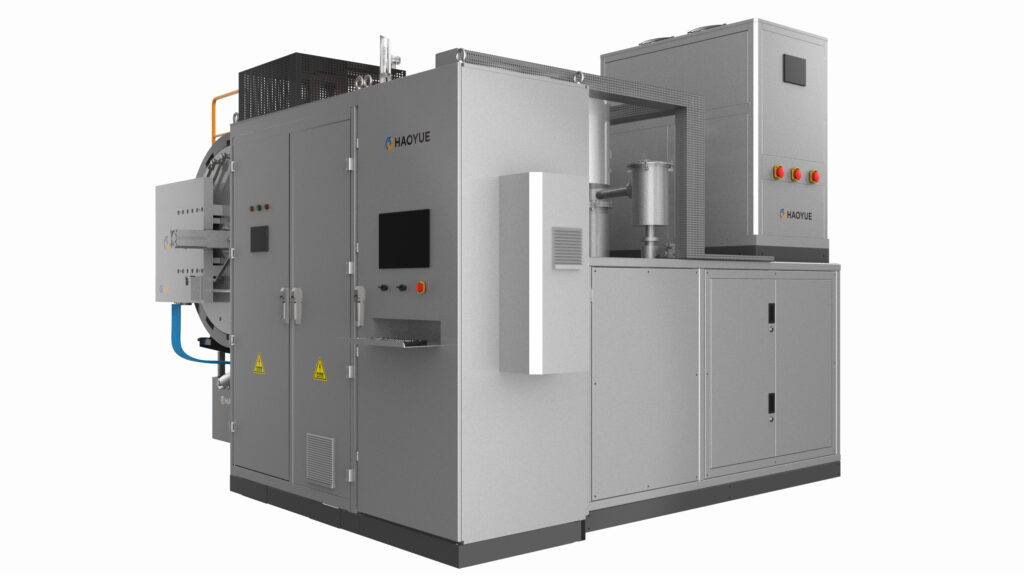






In modern precision manufacturing, selecting the right thermal processing equipment is critical for achieving superior material properties. As a leading vacuum furnace manufacturer, we understand the complex demands of high-temperature metallurgy and advanced ceramics. Industrial engineers often face critical decisions when comparing thermal environments, such as evaluating a vacuum furnace vs atmosphere furnace to minimize oxidation and achieve pristine surface finishes. For advanced materials requiring rapid consolidation, choosing an experienced SPS furnace manufacturer or a specialized hot pressing furnace manufacturer can dramatically alter production efficiency. Understanding these technologies, alongside the fundamental differences in SPS vs hot pressing, allows manufacturers to optimize their thermal workflows for aerospace, medical, and semiconductor applications.
Advanced technical ceramics and powder metals require precise thermal profiles to reach full theoretical density. The vacuum sintering process remains the cornerstone for consolidating high-performance materials. For instance, silicon carbide sintering requires extreme temperatures and precise atmosphere control, while the zirconia sintering process and alumina sintering process are vital for dental and structural applications. To achieve uniform density in complex geometries, engineers often weigh the benefits of HIP vs vacuum sintering (Hot Isostatic Pressing). Partnering with an established HIP manufacturer or a certified vacuum sintering furnace manufacturer ensures access to high-pressure thermal processing that eliminates internal voids. Furthermore, specialized equipment like a gas pressure sintering furnace is essential for high-nitrogen ceramics, where comparing vacuum sintering vs pressure sintering helps determine the optimal mechanical strength of the final component.
Refractory metals and hard metals demand highly specialized thermal environments. For example, tungsten carbide sintering and molybdenum sintering rely heavily on precise carbon control and high vacuum levels, often provided by a dedicated carbide tool sintering furnace. Choosing the right heating element configuration is another critical engineering decision; comparing a graphite furnace vs molybdenum furnace depends on the chemical compatibility of the workload at extreme temperatures. For metallurgy and stress-relieving applications, utilizing a robust vacuum heat treatment furnace manufacturer ensures precise control during the vacuum annealing process and vacuum hardening process. In demanding sectors, executing a flawless titanium alloy heat treatment protocol within an aerospace heat treatment furnace or an aerospace vacuum furnace is mandatory to meet strict Nadcap standards.
Joining dissimilar metals and ceramics requires advanced thermal bonding techniques. The vacuum brazing process offers significant advantages over traditional methods, with vacuum brazing vs conventional brazing highlighting the elimination of flux residues, reduced distortion, and superior joint strength. Sourcing equipment from an experienced vacuum brazing furnace manufacturer is essential for producing high-integrity assemblies. For reactive metals, a vacuum hydrogen furnace provides a reducing atmosphere that prevents oxidation and removes impurities. In high-growth sectors, specialized systems like a semiconductor vacuum furnace are critical for wafer processing, while a battery material sintering furnace supports the production of advanced energy storage materials. Additionally, medical-grade components rely on a dedicated medical implant sintering furnace or a dental implant vacuum furnace to guarantee biocompatibility and zero contamination.
Selecting the ideal thermal processing system requires a deep understanding of material science, equipment capabilities, and process parameters. Whether your application demands the rapid consolidation of spark plasma sintering, the high-pressure density of hot isostatic pressing, or the clean environment of a vacuum brazing system, partnering with a comprehensive thermal processing partner is key. From aerospace-grade heat treatment to micro-scale semiconductor manufacturing, selecting the right equipment ensures your thermal processes deliver unparalleled precision, repeatability, and structural integrity.