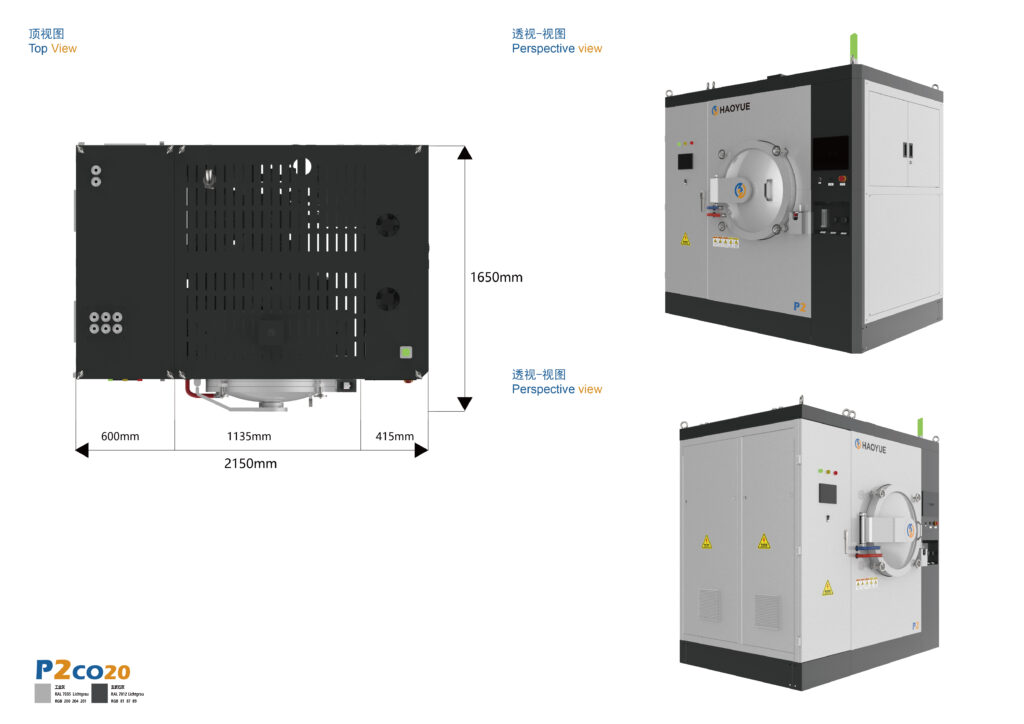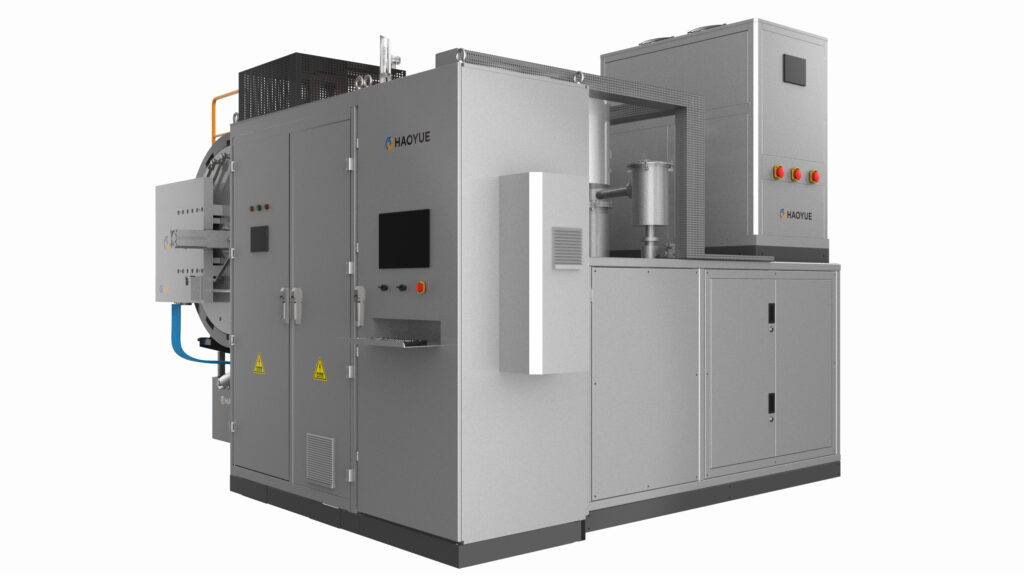






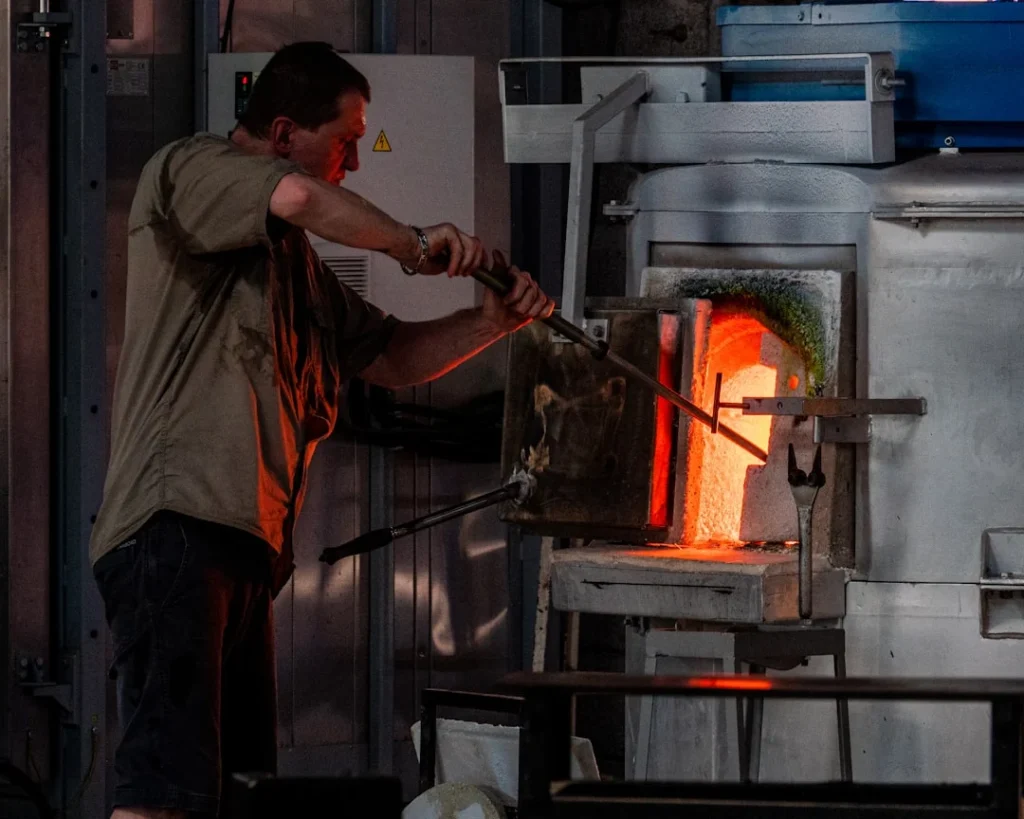
In the rapidly evolving landscape of advanced metallurgy, precision thermal processing stands as the cornerstone of material performance. Selecting a reliable vacuum furnace manufacturer is critical for industries aiming to achieve peerless material purity, structural integrity, and mechanical properties. When evaluating thermal processing configurations, comparing a vacuum furnace vs atmosphere furnace highlights the clear advantages of vacuum environments, particularly in eliminating oxidation and contamination during high-temperature cycles. By optimizing the vacuum sintering process, engineers can precisely control microstructural evolution, ensuring that high-performance components meet the most stringent operational standards.
Advanced Sintering Technologies and Material Consolidation
For advanced technical ceramics and refractory metals, choosing the correct consolidation method is paramount. Achieving full density during silicon carbide sintering requires extreme temperatures and precise atmospheric control, often necessitating a specialized gas pressure sintering furnace. Similarly, the zirconia sintering process must be carefully controlled to prevent phase transformation cracking, while optimizing the alumina sintering process for electrical insulators requires precise uniform heating profiles. For heavy-duty industrial applications, managing critical phases during tungsten carbide sintering prevents cobalt pooling, while the high-temperature profiles required for molybdenum sintering demand specialized hot zones.
When selecting consolidation equipment, engineers often evaluate SPS vs hot pressing. Collaborating with a leading hot pressing furnace manufacturer ensures robust uniaxial pressure application, whereas consulting an experienced SPS furnace manufacturer can unlock rapid spark plasma sintering capabilities that minimize grain growth. Furthermore, evaluating HIP vs vacuum sintering reveals distinct density advantages; working with a specialized HIP manufacturer provides the hot isostatic pressing needed to eliminate internal micro-voids. Understanding the trade-offs of vacuum sintering vs pressure sintering is crucial for balancing mechanical property requirements against production throughput.
Precision Brazing and Thermal Treatment Processes
Beyond sintering, high-vacuum systems are indispensable for joining and heat treatment. Relying on a trusted vacuum brazing furnace manufacturer is essential for producing high-integrity joints. Analyzing vacuum brazing vs conventional brazing demonstrates that the precision of the vacuum brazing process ensures flux-free joints with exceptional capillary flow, which is vital for complex assemblies. For sensitive alloys, utilizing a specialized vacuum hydrogen furnace for reducing atmospheres can further clean joint surfaces during processing.
A premier vacuum heat treatment furnace manufacturer offers versatile configurations designed to enhance bulk mechanical properties. For instance, the vacuum annealing process relieves residual stresses in cold-worked components, while implementing a strict vacuum hardening process is necessary to maximize wear resistance without surface decarburization. These processes are particularly critical during the exacting standards of titanium alloy heat treatment, where oxygen pickup must be strictly avoided to prevent alpha-case formation.
Industry-Specific Thermal Solutions
Different industrial sectors require tailored thermal architectures. In high-stakes fields, utilizing a certified aerospace vacuum furnace to process turbine blades and structural elements is non-negotiable. Critical component manufacturing demands a high-performance aerospace heat treatment furnace that complies with AMS2750 standards. For medical applications, using a dedicated medical implant sintering furnace ensures bio-compatible, high-density orthopedic components, while the precision of a dental implant vacuum furnace ensures aesthetic and structural consistency for zirconia restorations.
In the high-tech sector, the integration of a semiconductor vacuum furnace in wafer processing and packaging ensures contaminant-free thermal cycles. Additionally, the role of a battery material sintering furnace in synthesizing high-capacity cathode powders is growing rapidly. For tooling applications, employing a specialized carbide tool sintering furnace guarantees the uniform hardness required for heavy-duty machining inserts. When configuring these systems, choosing between a graphite furnace vs molybdenum furnace depends on the specific chemical compatibility of the materials being processed, with molybdenum being preferred for ultra-clean, carbon-free requirements.
Conclusion: Selecting Your Thermal Processing Partner
When partnering with a global vacuum sintering furnace manufacturer, industrial buyers must evaluate not only the technical specifications of the equipment but also the process validation support provided. By matching the correct furnace architecture—whether utilizing spark plasma, hot pressing, or hot isostatic pressing—to your specific material requirements, you can optimize production efficiency, ensure regulatory compliance, and achieve superior component performance across demanding aerospace, medical, and semiconductor applications.