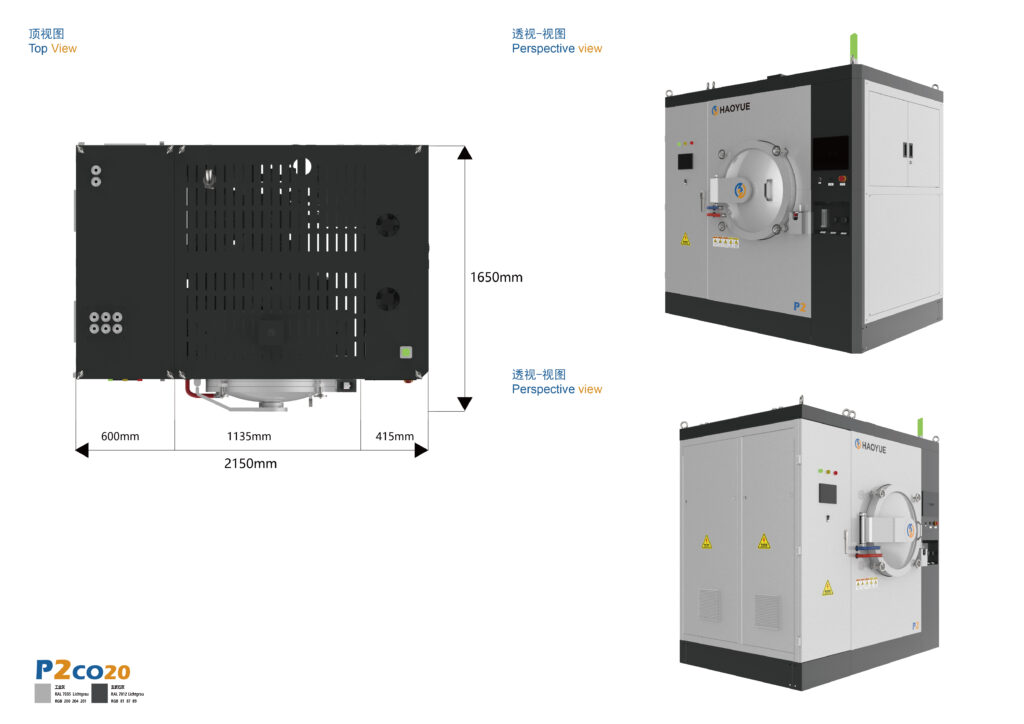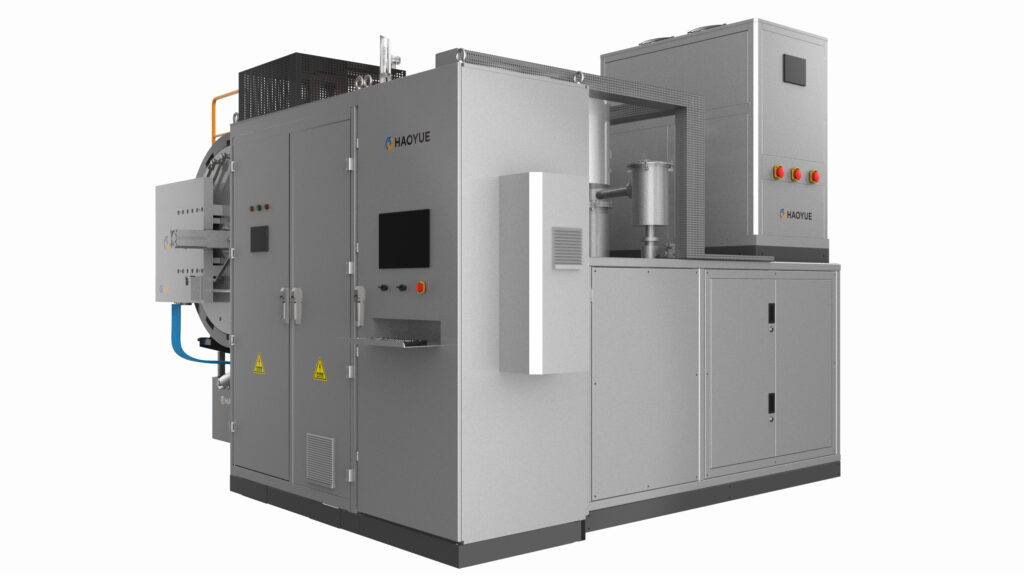






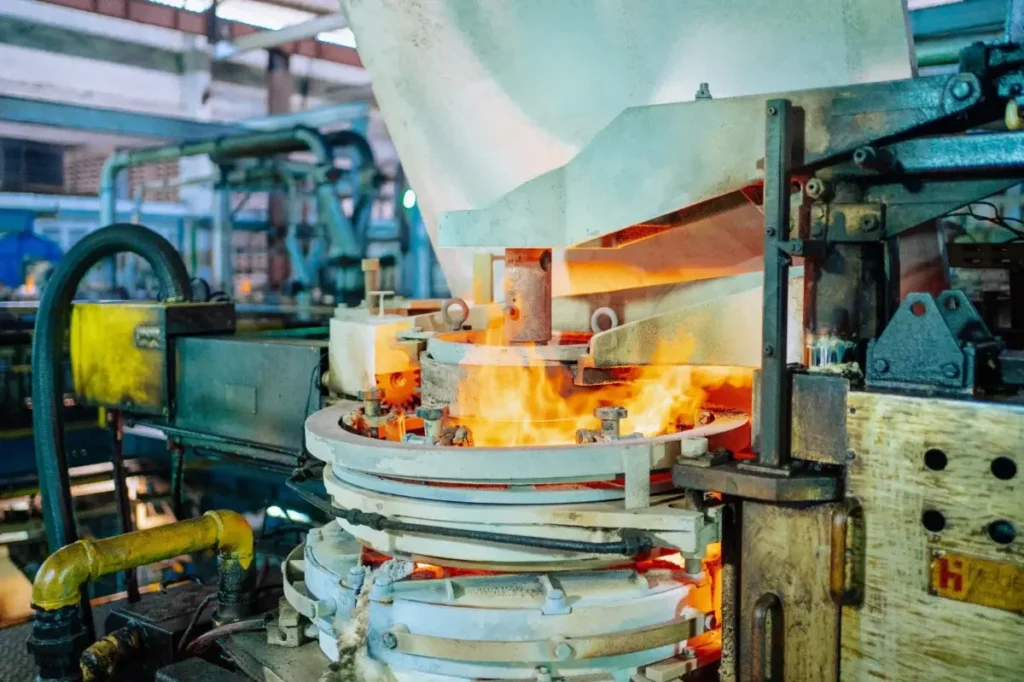
In the dynamic world of advanced manufacturing, the precision and integrity of materials are paramount. This criticality underscores the indispensable role of cutting-edge thermal processing technologies. For industries ranging from aerospace to medical, selecting the right equipment and process is crucial. Whether you’re seeking a reliable vacuum sintering furnace manufacturer or an expert vacuum heat treatment furnace manufacturer, understanding the nuances of these systems is key to unlocking superior material properties and performance. Our focus here is to delve into the sophisticated capabilities that define modern vacuum furnace technologies, including their applications in sectors demanding the highest standards, such as those utilizing an aerospace vacuum furnace or a medical implant sintering furnace, by employing processes like the intricate vacuum sintering process and the precise vacuum annealing process.
The foundation of high-performance components often lies in advanced thermal processing equipment. A leading vacuum furnace manufacturer offers a diverse range of solutions, including specialized units like the SPS furnace manufacturer (Spark Plasma Sintering) and the hot pressing furnace manufacturer, alongside those providing High Isostatic Pressing (HIP) technologies from a reputable HIP manufacturer. These systems facilitate critical processes such as the vacuum brazing process, essential for joining dissimilar materials with exceptional strength, and the vacuum hardening process, which enhances the durability of metals. Furthermore, the development of sophisticated materials often relies on equipment like the gas pressure sintering furnace, ensuring optimal density and microstructure. A dedicated vacuum brazing furnace manufacturer ensures that complex assemblies can achieve robust, leak-tight joints under controlled atmospheres.
Specialized materials demand tailored thermal processing. For instance, the production of high-strength ceramics like those achieved through silicon carbide sintering, zirconia sintering process, and alumina sintering process requires precise temperature and atmosphere control, often found in advanced vacuum furnaces. Similarly, the robust nature of components made through tungsten carbide sintering and molybdenum sintering is directly influenced by the quality of the sintering environment. In the electronics sector, a dedicated semiconductor vacuum furnace is vital for processes requiring ultra-high purity and precise thermal profiles, while a vacuum hydrogen furnace is critical for reducing oxides and achieving specific material properties. The rise of new energy also highlights the importance of the battery material sintering furnace, and for durable cutting tools, the carbide tool sintering furnace is essential. Furthermore, the complex requirements of titanium alloy heat treatment in industries like aerospace and medical implants necessitate highly controlled vacuum environments provided by an expert aerospace heat treatment furnace supplier or a specialized dental implant vacuum furnace provider.
Understanding the differentiated advantages of various thermal processing technologies is crucial for informed investment. Consider the distinct benefits when evaluating SPS vs hot pressing: SPS often offers faster cycle times and finer grain structures. Another critical comparison is HIP vs vacuum sintering, where HIP provides superior densification for complex geometries and difficult-to-sinter materials. The choice between vacuum sintering vs pressure sintering often comes down to the material’s specific requirements for density and grain growth. Furthermore, the debate between a vacuum furnace vs atmosphere furnace generally favors vacuum for purity, reduced contamination, and superior material properties. Material compatibility and process temperatures also dictate the selection between a graphite furnace vs molybdenum furnace. Lastly, for joining applications, the advantages of vacuum brazing vs conventional brazing include cleaner joints, minimal distortion, and the ability to braze complex assemblies without flux.
In conclusion, the advancements in materials science are intrinsically linked to the capabilities of modern thermal processing equipment. From the specialized applications of a semiconductor vacuum furnace to the robust demands met by a vacuum sintering furnace manufacturer serving the aerospace sector, precision and reliability are non-negotiable. Choosing an experienced vacuum furnace manufacturer or a dedicated vacuum heat treatment furnace manufacturer is not merely about acquiring equipment; it’s about partnering with expertise that understands the intricate demands of processes like silicon carbide sintering and titanium alloy heat treatment. As industries continue to push the boundaries of material performance, the evolution of vacuum furnace technologies will remain at the forefront, driving innovation and enabling the next generation of high-performance products.