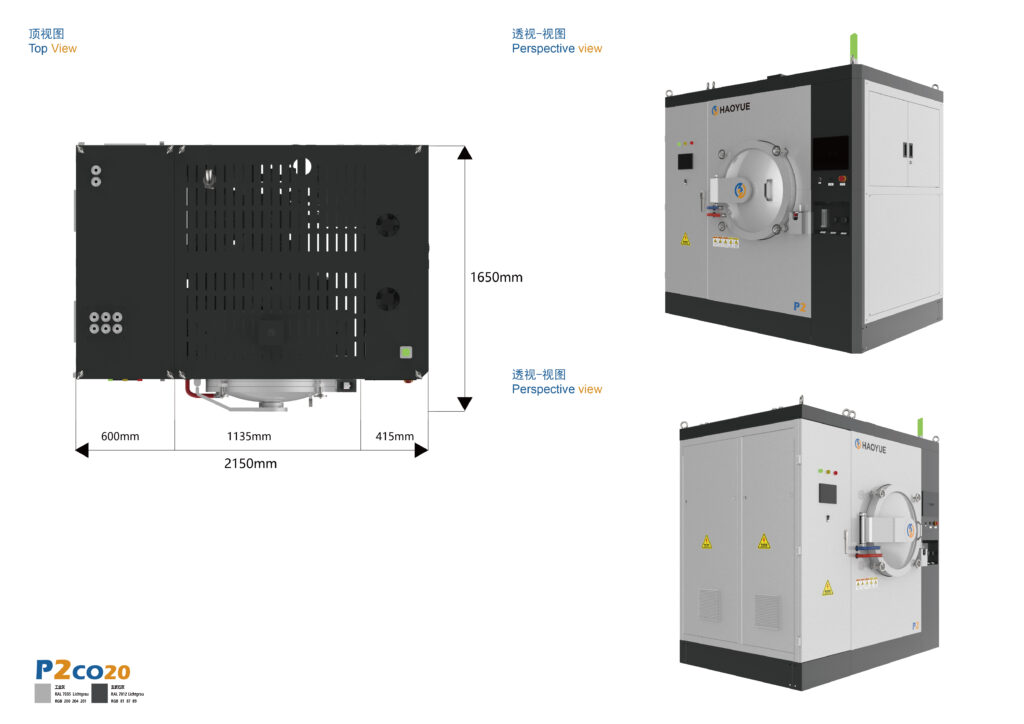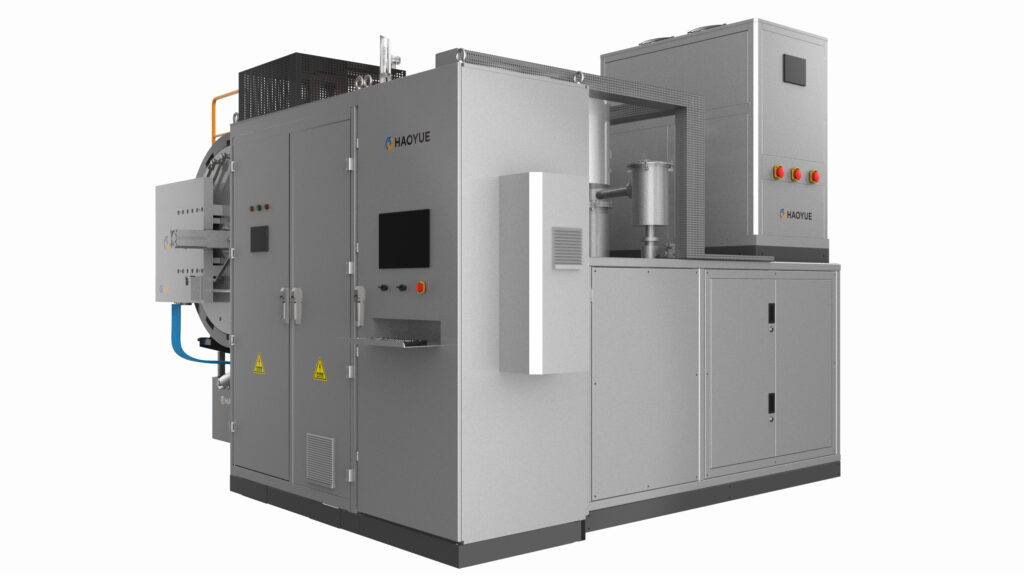






The demand for high-performance materials across diverse industries necessitates advanced thermal processing solutions. From aerospace components to medical implants, the integrity and properties of these materials are often determined by sophisticated manufacturing techniques. Vacuum technology stands at the forefront of this evolution, offering unparalleled control and purity for critical processes like sintering, brazing, and heat treatment. Choosing the right vacuum furnace manufacturer is paramount for achieving the desired material characteristics through a precise vacuum sintering process or intricate vacuum heat treatment.
Modern industrial applications rely heavily on specialized equipment. A reputable vacuum furnace manufacturer provides a range of solutions, including the dedicated vacuum sintering furnace manufacturer for densification of ceramics and metals, and the vacuum brazing furnace manufacturer for high-integrity joining. For processes requiring additional pressure, an SPS furnace manufacturer (Spark Plasma Sintering) or hot pressing furnace manufacturer offers unique advantages, while a HIP manufacturer (Hot Isostatic Pressing) provides superior material consolidation. Specialized applications also demand tailored solutions, such as the semiconductor vacuum furnace for microelectronics, the vacuum hydrogen furnace for specific reduction atmospheres, and the gas pressure sintering furnace for controlled densification.
The technical core of these operations lies in the precise execution of various processes. The vacuum sintering process is crucial for producing high-density, high-purity components from powders, enabling materials like silicon carbide sintering, zirconia sintering process, and alumina sintering process. Similarly, tungsten carbide sintering and molybdenum sintering benefit immensely from vacuum environments, preventing oxidation and ensuring optimal mechanical properties. Beyond sintering, the vacuum brazing process offers clean, strong joints without flux residues, while the vacuum annealing process enhances material ductility and reduces internal stresses. For superior hardness and wear resistance, the vacuum hardening process is indispensable, particularly for demanding applications like titanium alloy heat treatment.
These advanced furnaces are critical across numerous high-tech sectors. The aerospace vacuum furnace and aerospace heat treatment furnace are essential for manufacturing lightweight, high-strength components that can withstand extreme conditions. In the medical field, a medical implant sintering furnace and dental implant vacuum furnace ensure biocompatibility and long-term durability for critical devices. The electronics industry leverages the semiconductor vacuum furnace for precise material deposition and annealing. Furthermore, the battery material sintering furnace is vital for developing next-generation energy storage solutions, and the carbide tool sintering furnace produces robust cutting tools with extended lifespans.
Understanding the differentiated advantages of vacuum technology is key to optimizing material properties and manufacturing efficiency. Comparing SPS vs hot pressing reveals distinct benefits in densification rates and microstructure control. The choice between HIP vs vacuum sintering often comes down to the required level of porosity and mechanical performance, with HIP typically offering superior results for critical applications. Furthermore, evaluating vacuum sintering vs pressure sintering highlights the benefits of vacuum in purity and outgassing. Fundamentally, the vacuum furnace vs atmosphere furnace comparison underscores the superior control over contamination and environmental interaction that vacuum provides. Even within vacuum technology, the selection of internal components like graphite furnace vs molybdenum furnace impacts temperature limits and process atmospheres. For joining, vacuum brazing vs conventional brazing clearly demonstrates the advantages of vacuum in terms of joint strength, cleanliness, and absence of post-brazing cleanup.
In conclusion, the evolution of high-performance materials is inextricably linked to the capabilities of vacuum furnace technology. From precise vacuum sintering process and vacuum heat treatment to specialized applications across aerospace, medical, and semiconductor industries, these furnaces are indispensable. Partnering with an experienced vacuum furnace manufacturer or vacuum heat treatment furnace manufacturer ensures access to cutting-edge equipment and expertise, driving innovation and material excellence in a rapidly advancing industrial landscape.
Frequently Asked Questions
Why is vacuum technology preferred for sintering processes?
Vacuum technology is favored for sintering due to its ability to prevent oxidation, ensuring high-density and high-purity components. This environment is crucial for materials like silicon carbide and tungsten carbide, where maintaining optimal mechanical properties is essential.
What are the advantages of using a vacuum furnace over an atmosphere furnace?
Vacuum furnaces offer superior control over contamination and environmental interaction, which is critical for maintaining material purity and performance. This level of control is not achievable with atmosphere furnaces, making vacuum technology ideal for high-tech applications.
How does the vacuum brazing process improve joint quality?
Vacuum brazing produces clean, strong joints without leaving flux residues. This process enhances joint integrity and strength, making it suitable for high-performance applications where clean and reliable connections are essential.
What are the benefits of using a HIP furnace for material consolidation?
HIP furnaces provide superior material consolidation by applying isostatic pressure, which reduces porosity and enhances mechanical performance. This makes them ideal for critical applications requiring high-density and uniform material properties.
How do different vacuum furnace components affect the process?
The selection of internal components, such as graphite or molybdenum, impacts the temperature limits and process atmospheres within a vacuum furnace. Graphite is suitable for high-temperature applications, while molybdenum offers stability in certain atmospheres.
What role does vacuum technology play in the aerospace industry?
In aerospace, vacuum furnaces are crucial for manufacturing lightweight, high-strength components that endure extreme conditions. They ensure the integrity and durability of parts essential for safe and efficient aerospace operations.