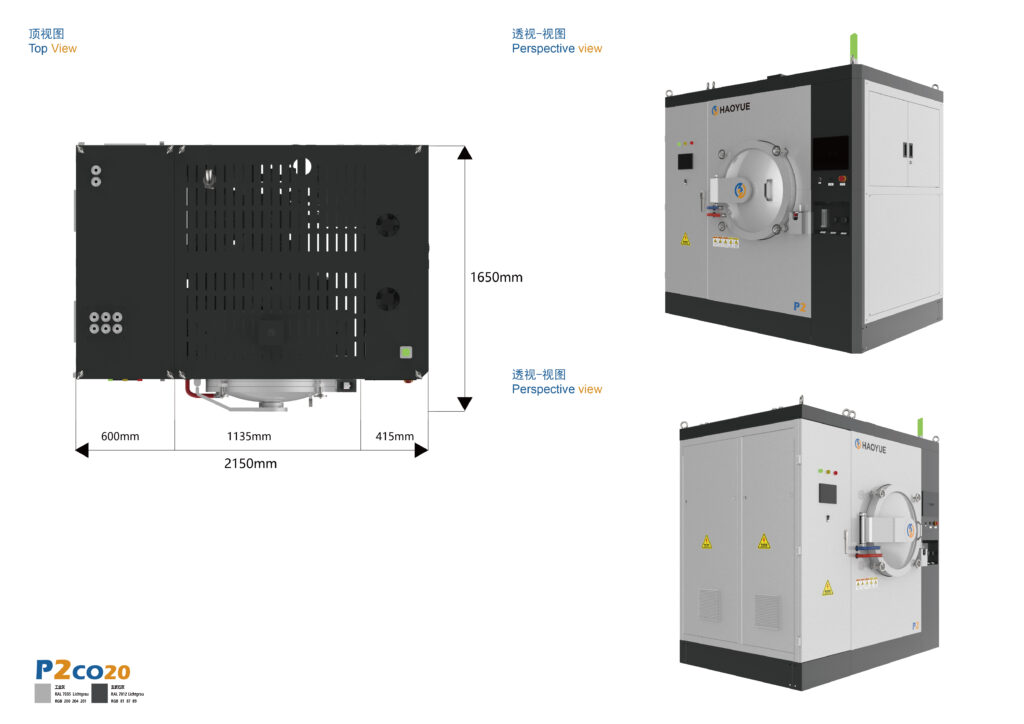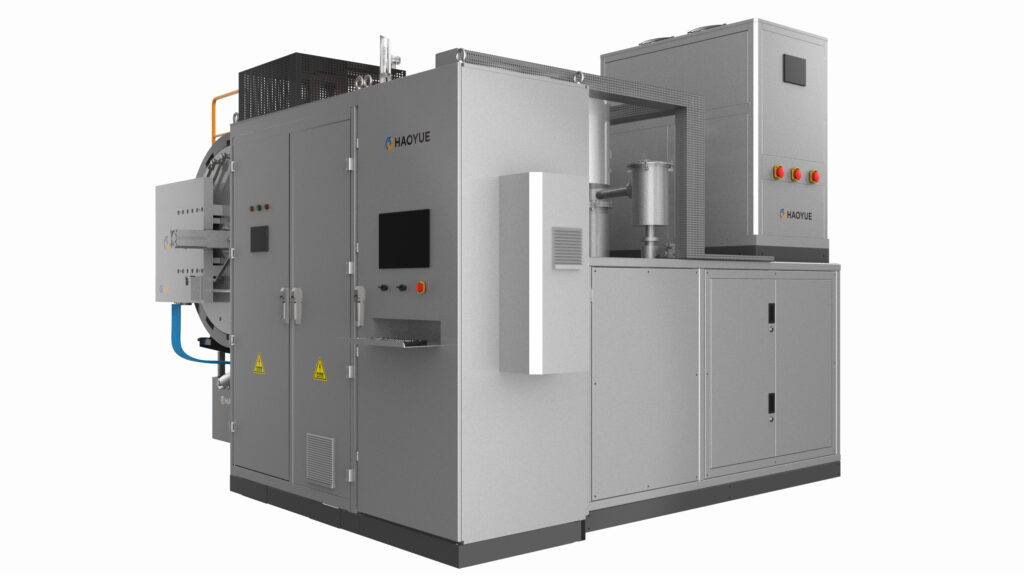






In the relentless pursuit of superior material performance across diverse industries, the role of advanced thermal processing equipment cannot be overstated. From aerospace components to medical implants and semiconductor devices, the integrity and functionality of materials are often determined by precise control during high-temperature treatments. This is where a specialized vacuum furnace manufacturer becomes indispensable, offering sophisticated solutions for critical processes like sintering and heat treatment. Understanding the capabilities of a leading vacuum furnace manufacturer is crucial for engineers and buyers aiming to achieve unparalleled material properties through a meticulous vacuum sintering process or advanced heat treatment.
The inherent advantages of operating a vacuum furnace are numerous, significantly differentiating it from conventional atmospheric alternatives. Unlike a vacuum furnace vs atmosphere furnace, vacuum environments eliminate oxidation and contamination, ensuring cleaner, higher-quality products. A reputable vacuum sintering furnace manufacturer provides systems capable of uniform heating and cooling, essential for complex geometries and sensitive materials. Beyond sintering, a dedicated vacuum brazing furnace manufacturer offers equipment vital for joining disparate materials, while a vacuum heat treatment furnace manufacturer is key to enhancing mechanical properties. For specialized applications, the semiconductor vacuum furnace stands as a testament to the precision required in microelectronics manufacturing.
Sintering technologies have evolved dramatically, driven by the demand for densified, high-strength components. The vacuum sintering process, performed by a high-quality vacuum sintering furnace manufacturer, is fundamental for achieving desired material densities without defects. For even greater control over densification and grain growth, advanced techniques like Spark Plasma Sintering (SPS) and hot pressing are employed. An SPS furnace manufacturer or hot pressing furnace manufacturer can provide systems that offer rapid heating and cooling rates under pressure, yielding fine-grained microstructures. The comparison of SPS vs hot pressing often highlights SPS’s ability for faster processing and lower sintering temperatures. Furthermore, a top-tier HIP manufacturer offers Hot Isostatic Pressing (HIP) systems, which provide near 100% theoretical density, often complementing or being compared in terms of densification capabilities with HIP vs vacuum sintering. The selection between a vacuum sintering vs pressure sintering method, such as that offered by a gas pressure sintering furnace, depends on the specific material and desired properties, with vacuum often preferred for purity and pressure for density. This extensive range of processes is critical for materials like silicon carbide sintering, zirconia sintering process, alumina sintering process, tungsten carbide sintering, and molybdenum sintering, each requiring tailored furnace conditions.
Beyond sintering, vacuum technology is paramount in various heat treatment and joining applications. A specialized vacuum heat treatment furnace manufacturer delivers precise control over thermal cycles for processes such as vacuum annealing process, which enhances ductility, and vacuum hardening process, crucial for increasing material hardness and strength. These processes are vital for demanding materials like those undergoing titanium alloy heat treatment, where oxygen contamination must be rigorously avoided. Similarly, vacuum brazing process offers superior joint strength and cleanliness compared to vacuum brazing vs conventional brazing, making it ideal for joining critical components. The advent of specialized furnaces like the vacuum hydrogen furnace further expands capabilities, enabling processes that benefit from a reducing atmosphere to remove oxides and ensure pristine surfaces.
The applications of these sophisticated vacuum furnaces span across numerous high-tech industries. For the aerospace sector, an aerospace vacuum furnace and aerospace heat treatment furnace are essential for manufacturing components that withstand extreme conditions, ensuring safety and performance. In the medical field, a medical implant sintering furnace and dental implant vacuum furnace produce biocompatible parts with high precision and purity. The semiconductor vacuum furnace remains critical for producing integrated circuits, while the battery material sintering furnace is pivotal for advancing energy storage technologies. Furthermore, a carbide tool sintering furnace is indispensable for creating durable cutting tools. When considering the heating elements within these furnaces, the choice between a graphite furnace vs molybdenum furnace often comes down to the process temperature, atmosphere, and potential material interactions, with each offering distinct advantages for specific applications.
In conclusion, the advancements in material science are inextricably linked to the capabilities of modern vacuum furnaces. From precision sintering of advanced ceramics and metals to critical heat treatment and brazing operations, the expertise of a leading vacuum furnace manufacturer is paramount. Investing in the right equipment ensures not only superior material properties but also efficiency, repeatability, and compliance with the stringent demands of today’s high-tech industries. As material innovation continues, so too will the evolution of these essential thermal processing technologies, driving progress across the industrial landscape.
Frequently Asked Questions
What are the main advantages of using a vacuum furnace over an atmospheric furnace?
Vacuum furnaces eliminate oxidation and contamination, providing cleaner, higher-quality products. They offer uniform heating and cooling, which is essential for complex geometries and sensitive materials. This makes them superior to atmospheric furnaces, especially in applications where material purity and precise thermal control are critical.
How does Spark Plasma Sintering (SPS) compare to hot pressing in terms of processing capabilities?
Spark Plasma Sintering (SPS) offers faster processing and operates at lower sintering temperatures compared to hot pressing. This is due to its ability to rapidly heat and cool materials under pressure, leading to fine-grained microstructures. Hot pressing, while effective, typically requires longer processing times and higher temperatures.
Why is vacuum technology crucial for heat treatment processes like annealing and hardening?
Vacuum technology provides precise control over thermal cycles, essential for processes like annealing to enhance ductility and hardening to increase strength. It prevents oxygen contamination, which is crucial for materials like titanium alloys. This ensures the integrity and performance of the treated materials, making vacuum heat treatment indispensable for high-performance applications.
What factors should be considered when choosing between vacuum sintering and pressure sintering methods?
The choice between vacuum sintering and pressure sintering depends on the material and desired properties. Vacuum sintering is preferred for achieving high purity, as it prevents contamination. Pressure sintering, such as gas pressure sintering, is chosen for achieving higher density. The specific application requirements will guide the selection process.
How does vacuum brazing enhance joint strength compared to conventional brazing?
Vacuum brazing offers superior joint strength and cleanliness due to the absence of oxidation and contamination. The controlled vacuum environment ensures a pristine surface, leading to stronger and more reliable joints compared to conventional brazing techniques, which can introduce impurities and defects.
What are the benefits of using a vacuum hydrogen furnace in material processing?
A vacuum hydrogen furnace provides a reducing atmosphere that removes oxides and ensures pristine surfaces. This is particularly beneficial for processes requiring oxide-free conditions. It expands the capabilities of vacuum technology by enabling treatments that benefit from hydrogen's reducing properties, enhancing the quality and performance of the processed materials.