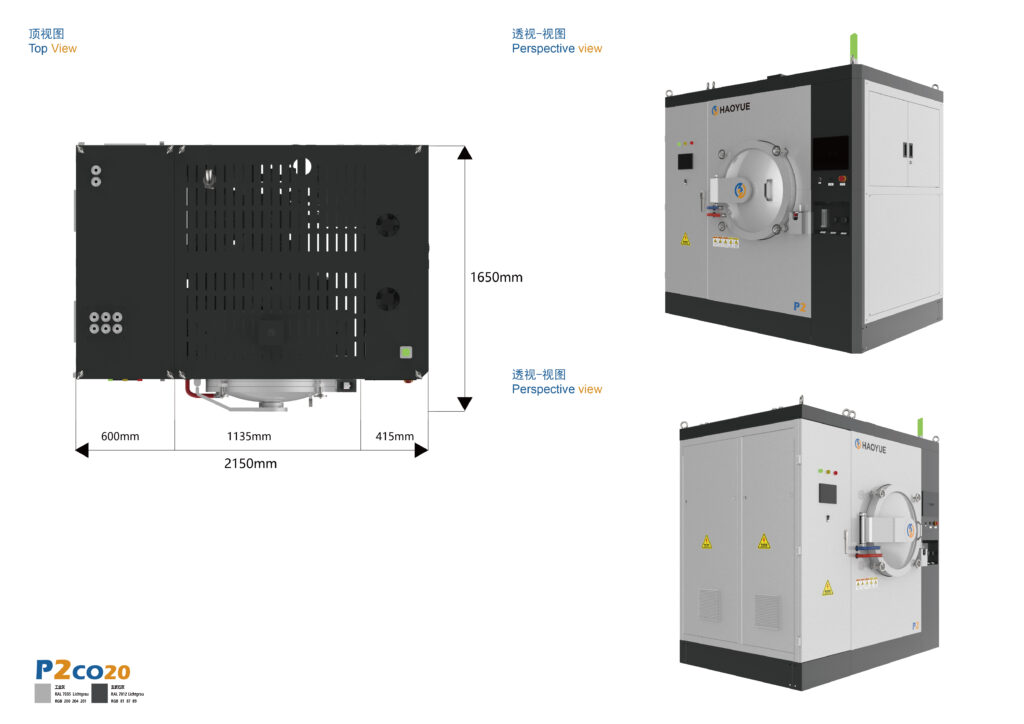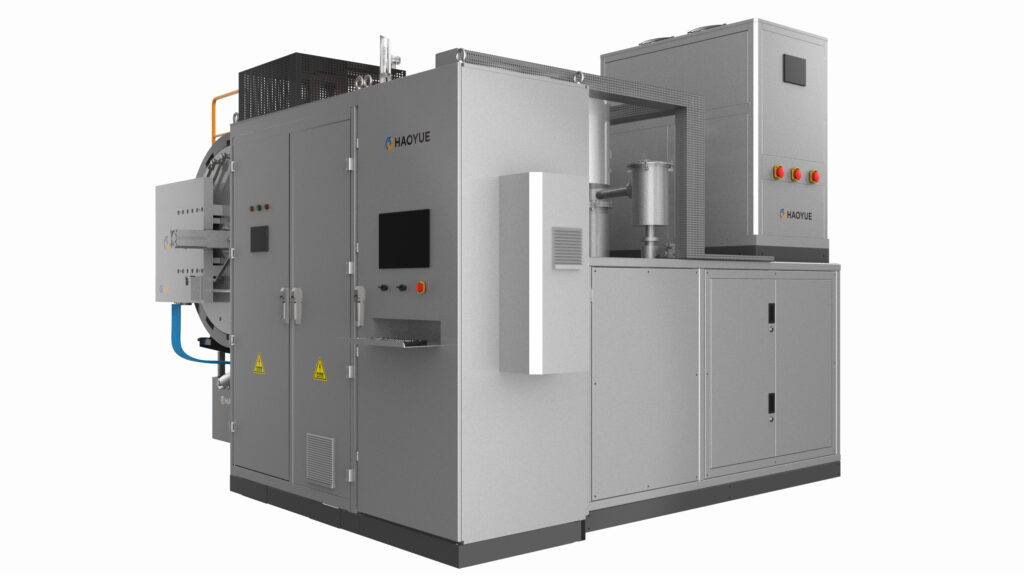






In the demanding landscape of modern industrial fabrication, precision and material integrity are paramount. Specialized processes like vacuum sintering process and advanced heat treatments are crucial for producing high-performance components across various sectors. As a trusted vacuum furnace manufacturer, we understand the critical role these sophisticated systems play. This article explores the innovative technologies and applications offered by a dedicated vacuum sintering furnace manufacturer, a SPS furnace manufacturer, and a hot pressing furnace manufacturer, highlighting their impact on industries from aerospace to medical implants.
The foundation of superior material properties often lies in the choice of the right equipment. A reputable vacuum furnace manufacturer offers a diverse range of solutions, including the robust HIP manufacturer for densification and the precise vacuum heat treatment furnace manufacturer for annealing and hardening. For specific applications, a gas pressure sintering furnace provides enhanced control over density and microstructure. The critical vacuum brazing furnace manufacturer supports complex assembly needs, offering a significant advantage with vacuum brazing vs conventional brazing, ensuring cleaner joints and minimal distortion. Furthermore, specialized units like the semiconductor vacuum furnace and vacuum hydrogen furnace cater to niche, high-purity processing requirements.
The vacuum sintering process is at the heart of manufacturing advanced materials. Whether it’s silicon carbide sintering for high-temperature applications, zirconia sintering process for biomedical components, or alumina sintering process for wear resistance, the vacuum sintering furnace manufacturer provides the essential technology. For demanding metallurgical applications, tungsten carbide sintering and molybdenum sintering require precise atmospheric control, which vacuum systems excel at providing. The debate of HIP vs vacuum sintering often arises, with each process offering distinct advantages depending on the material and desired properties, such as achieving full density or specific microstructures. Similarly, vacuum sintering vs pressure sintering presents choices for optimizing densification kinetics and final material characteristics.
Beyond sintering, vacuum heat treatment processes are indispensable. Vacuum annealing process and vacuum hardening process are critical for optimizing mechanical properties, reducing internal stresses, and enhancing material lifespan. For the aerospace industry, an aerospace vacuum furnace and aerospace heat treatment furnace are non-negotiable for producing lightweight, high-strength components like titanium alloy heat treatment parts. In the medical field, a medical implant sintering furnace and dental implant vacuum furnace ensure the biocompatibility and structural integrity of critical devices. The battery material sintering furnace supports the energy sector, while the carbide tool sintering furnace is vital for manufacturing durable cutting tools. The distinction between a vacuum furnace vs atmosphere furnace is clear: vacuum offers unparalleled purity and control, crucial for sensitive materials.
For cutting-edge material development, advanced techniques like Spark Plasma Sintering (SPS) are gaining prominence. The SPS furnace manufacturer provides systems that offer rapid densification and fine grain structures. Understanding the nuances of SPS vs hot pressing is vital for material scientists, as each method presents unique advantages in terms of processing speed, temperature control, and final material properties. Furthermore, selecting the right heating element, such as a graphite furnace vs molybdenum furnace, depends on process temperature, atmosphere compatibility, and material interaction, influencing both the cost and performance of the system.
Choosing the right industrial equipment, from a vacuum furnace manufacturer to a specialized HIP manufacturer, is a strategic decision that impacts product quality and operational efficiency. Whether the need is for a semiconductor vacuum furnace, a gas pressure sintering furnace, or a vacuum brazing furnace manufacturer’s expertise, partnering with a leading provider ensures access to cutting-edge technology and unparalleled support. These manufacturers are not just suppliers; they are partners in advancing material science and engineering, enabling industries to achieve higher performance standards through precise vacuum sintering process and heat treatment solutions.
Frequently Asked Questions
What are the key benefits of using a vacuum furnace over an atmosphere furnace for sensitive materials?
Vacuum furnaces provide unparalleled purity and control, which are crucial for sensitive materials. This environment minimizes contamination and oxidation, ensuring high-quality results. The precise control over temperature and atmosphere in a vacuum furnace allows for the production of superior material properties, essential for high-performance applications.
How does the vacuum sintering process enhance the properties of advanced materials like silicon carbide and zirconia?
The vacuum sintering process enhances material properties by providing precise control over temperature and atmosphere, crucial for achieving desired density and microstructure. For materials like silicon carbide and zirconia, this results in improved high-temperature stability and wear resistance, making them suitable for demanding applications such as aerospace and biomedical components.
Why might a manufacturer choose HIP over vacuum sintering for certain applications?
HIP, or Hot Isostatic Pressing, is chosen over vacuum sintering when achieving full density and eliminating internal porosity are critical. HIP is particularly beneficial for complex shapes and materials requiring uniform properties throughout. It is ideal for components where high strength and fatigue resistance are essential, such as in aerospace and medical implants.
What advantages does Spark Plasma Sintering (SPS) offer compared to traditional hot pressing methods?
Spark Plasma Sintering (SPS) offers rapid densification and the ability to create fine grain structures, which can enhance mechanical properties. SPS provides better temperature control and faster processing times compared to traditional hot pressing, making it advantageous for developing cutting-edge materials with specific microstructures.
In what scenarios is a vacuum brazing furnace preferred over conventional brazing methods?
A vacuum brazing furnace is preferred when cleaner joints and minimal distortion are required. The vacuum environment reduces oxidation and contamination, which is crucial for high-precision assemblies. This method is especially beneficial in industries like aerospace and electronics, where joint integrity and precision are paramount.
How does the choice of heating element, such as graphite vs molybdenum, impact the performance of a vacuum furnace?
The choice of heating element affects the process temperature, atmosphere compatibility, and material interaction. Graphite is suitable for high-temperature processes but may react with certain materials. Molybdenum offers better chemical stability and is ideal for applications requiring a cleaner atmosphere. The right choice impacts the cost, efficiency, and quality of the manufacturing process.