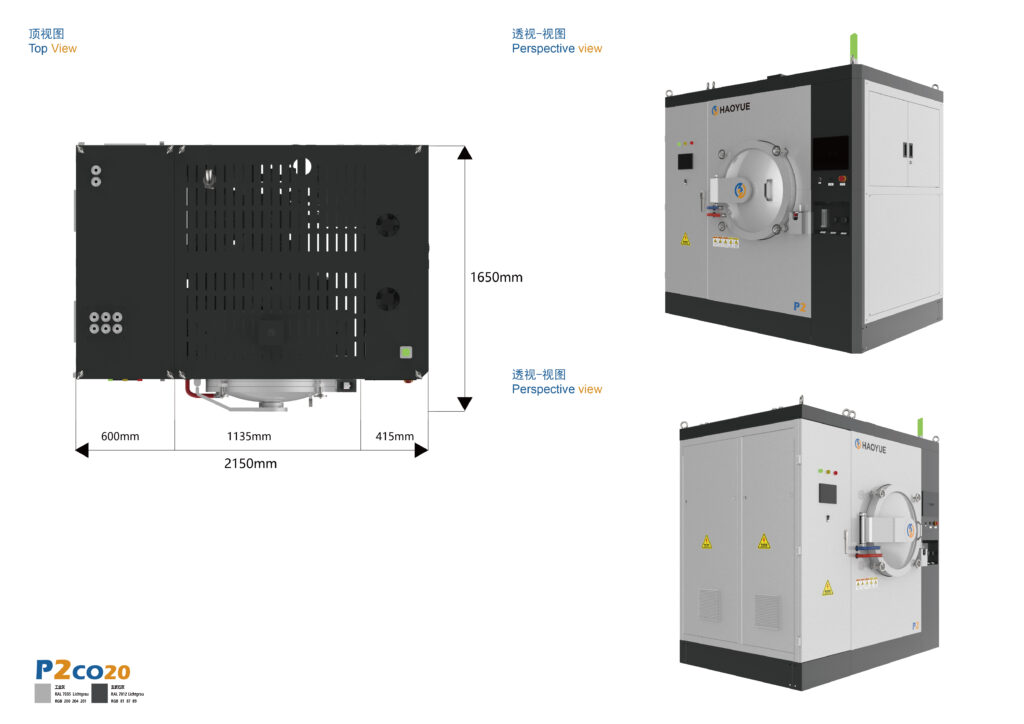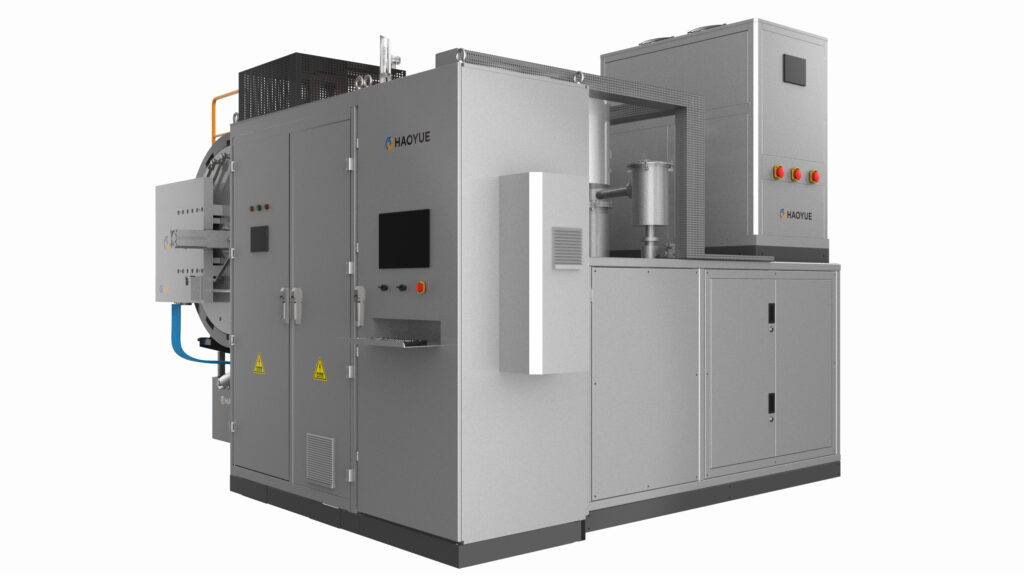






In the demanding world of advanced material science and engineering, precision thermal processing is paramount. From aerospace components to medical implants, the performance of critical parts hinges on the quality of their heat treatment and sintering. As a leading vacuum furnace manufacturer, we understand the intricate needs of industries seeking unparalleled material properties. This guide explores the pivotal role of advanced vacuum technologies, including the vacuum sintering process and specialized heat treatment applications, in achieving superior material integrity and performance.
Modern industrial applications increasingly rely on the controlled environments offered by vacuum furnaces. Unlike traditional atmosphere furnace setups, a vacuum environment eliminates contaminants and prevents oxidation, leading to cleaner, stronger, and more consistent material properties. Whether you require a vacuum heat treatment furnace manufacturer for annealing and hardening or a vacuum brazing furnace manufacturer for critical joining, the advantages of vacuum are undeniable. Specialized equipment like the vacuum hydrogen furnace further extends capabilities for specific reduction processes.
Sintering, a cornerstone of powder metallurgy, is revolutionized by vacuum technology. The vacuum sintering process is crucial for producing high-density, high-performance components. For instance, the demand for robust materials drives the need for advanced silicon carbide sintering, zirconia sintering process, and alumina sintering process. Similarly, the production of durable tools and components benefits immensely from tungsten carbide sintering and molybdenum sintering. When considering options, understanding the nuances of vacuum sintering vs pressure sintering is vital, with gas pressure sintering furnaces offering unique advantages for certain applications. A dedicated vacuum sintering furnace manufacturer can guide you through these choices.
Beyond conventional sintering, advanced densification techniques push material limits. A direct comparison between SPS vs hot pressing reveals distinct benefits, with Spark Plasma Sintering (SPS) offering rapid densification and fine grain structures. Similarly, assessing HIP vs vacuum sintering highlights Hot Isostatic Pressing’s ability to achieve near-theoretical densities by combining high temperature and pressure. Companies specializing as an SPS furnace manufacturer, hot pressing furnace manufacturer, or HIP manufacturer are at the forefront of these cutting-edge technologies.
Heat treatment processes are equally critical for optimizing material characteristics. The vacuum annealing process enhances ductility and reduces internal stresses, while the vacuum hardening process provides exceptional strength and wear resistance. For high-performance alloys, precise titanium alloy heat treatment is essential to achieve desired mechanical properties. Partnering with an experienced vacuum heat treatment furnace manufacturer ensures that your materials meet the most stringent specifications.
The applications for these advanced thermal processing solutions span across numerous high-tech industries. The aerospace vacuum furnace and aerospace heat treatment furnace are indispensable for manufacturing lightweight, high-strength components. In the medical field, a medical implant sintering furnace and dental implant vacuum furnace produce biocompatible and durable devices. The rise of new technologies also sees a significant role for the semiconductor vacuum furnace in chip manufacturing and the battery material sintering furnace in energy storage solutions. Furthermore, the carbide tool sintering furnace is vital for creating highly wear-resistant cutting tools.
Choosing the right furnace configuration and materials is also key to process success. For example, evaluating a graphite furnace vs molybdenum furnace depends on specific temperature requirements and material interactions. Similarly, understanding the benefits of vacuum brazing vs conventional brazing showcases vacuum’s ability to create strong, clean joints without flux. Ultimately, selecting a reputable vacuum furnace manufacturer or vacuum brazing furnace manufacturer is paramount to ensure reliable performance, energy efficiency, and long-term operational success for your most critical industrial processes.
The continuous evolution of materials science demands increasingly sophisticated thermal processing equipment. From foundational vacuum furnace technologies to advanced sintering and specialized heat treatments, the capabilities offered by a dedicated vacuum furnace manufacturer are indispensable. As industries push the boundaries of performance, these precision systems will continue to be the backbone of innovation, delivering the material properties required for the next generation of technological advancements.
Frequently Asked Questions
What are the key benefits of using vacuum furnaces over traditional atmosphere furnaces?
Vacuum furnaces offer a controlled environment that eliminates contaminants and prevents oxidation, resulting in cleaner, stronger, and more consistent material properties. This leads to superior quality in critical components used in industries like aerospace and medical implants.
How does vacuum sintering differ from pressure sintering, and when should each be used?
Vacuum sintering is ideal for producing high-density components with consistent properties, while pressure sintering, such as gas pressure sintering, applies additional pressure to achieve specific material characteristics. The choice depends on the desired material properties and application requirements.
What are the advantages of Spark Plasma Sintering (SPS) compared to hot pressing?
Spark Plasma Sintering (SPS) offers rapid densification and the ability to produce fine grain structures, making it suitable for applications requiring precise material characteristics. Hot pressing, while slower, can achieve similar densification at lower temperatures, which is beneficial for certain materials.
Why is vacuum heat treatment critical for high-performance alloys like titanium?
Vacuum heat treatment is crucial for titanium alloys as it enhances ductility, reduces internal stresses, and achieves desired mechanical properties. This precision processing ensures the alloys meet stringent specifications required for demanding applications in various industries.
What role do vacuum furnaces play in semiconductor and battery manufacturing?
In semiconductor manufacturing, vacuum furnaces are essential for producing high-quality chips by ensuring a contaminant-free environment. For battery manufacturing, vacuum sintering furnaces are used to enhance the material properties of battery components, crucial for energy storage solutions.
How do you choose between a graphite furnace and a molybdenum furnace for specific applications?
The choice between a graphite and a molybdenum furnace depends on the specific temperature requirements and material interactions. Graphite furnaces are suitable for higher temperatures, while molybdenum furnaces offer better performance at lower temperatures and are less reactive with certain materials.