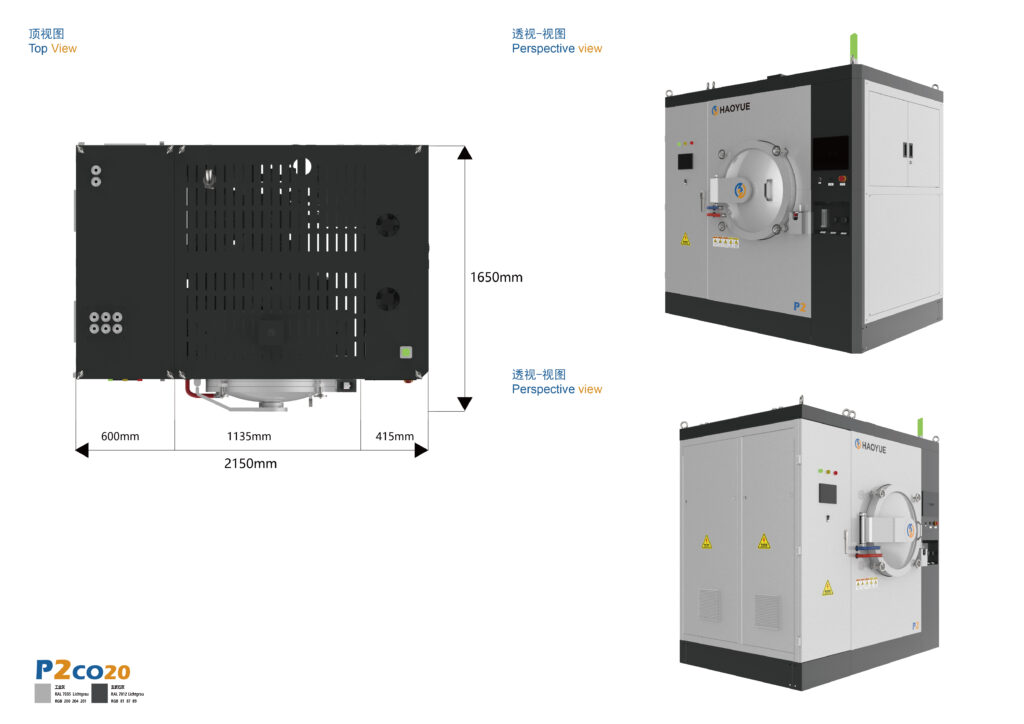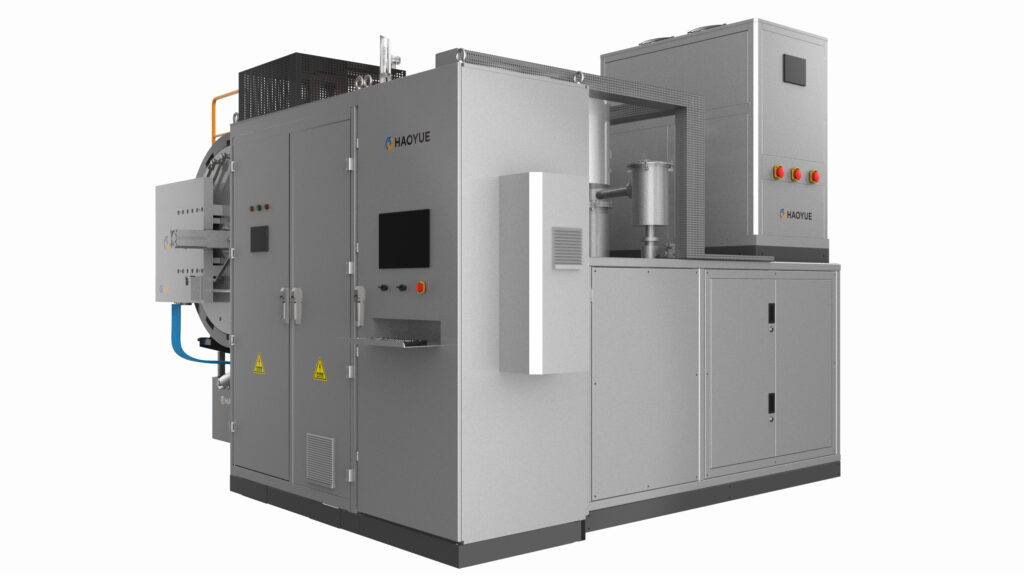






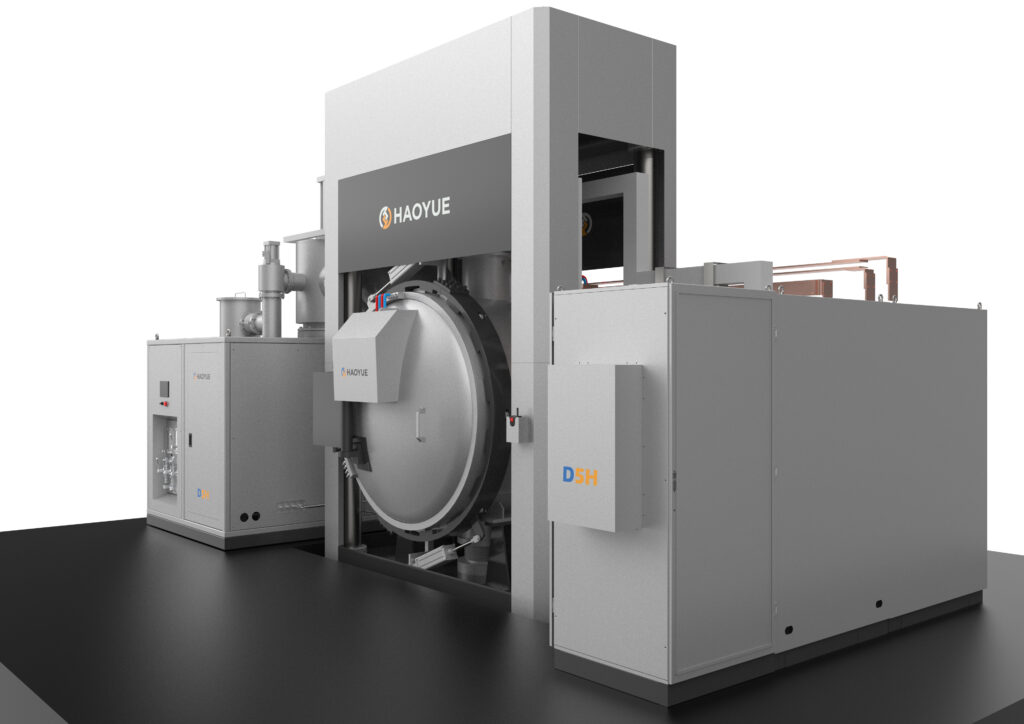
In the relentless pursuit of superior material performance, advanced manufacturing processes have become indispensable. At the heart of this evolution lies the critical role of a specialized vacuum furnace manufacturer. These manufacturers are pivotal in providing the high-tech equipment necessary for precision material transformation, particularly through the vacuum sintering process, advanced heat treatments, and specialized brazing techniques. For industries ranging from aerospace to medical, the integrity and performance of components directly depend on the capabilities of these sophisticated furnaces, making the choice of a reliable vacuum heat treatment furnace manufacturer paramount.
The vacuum sintering process is a cornerstone for densifying a wide array of advanced materials, offering unparalleled control over microstructure and purity. Leading SPS furnace manufacturer and hot pressing furnace manufacturer entities are at the forefront, developing systems capable of processing challenging materials like silicon carbide sintering, zirconia sintering process, and alumina sintering process. This technology is also vital for the production of high-performance metals, including tungsten carbide sintering and molybdenum sintering, which demand oxygen-free environments to achieve optimal properties. When considering densification, understanding the nuances of HIP vs vacuum sintering or vacuum sintering vs pressure sintering is crucial for engineers to select the most effective process for their specific material and application.
Beyond sintering, modern industries rely heavily on advanced heat treatment for material optimization. A dedicated vacuum heat treatment furnace manufacturer provides solutions for processes such as vacuum annealing process and vacuum hardening process, which are critical for enhancing the mechanical properties of metals. For instance, the demanding requirements of titanium alloy heat treatment in sectors like aerospace necessitate precise temperature control and vacuum integrity, often facilitated by an aerospace heat treatment furnace or a specialized aerospace vacuum furnace. Furthermore, the burgeoning electric vehicle market utilizes the battery material sintering furnace for high-performance electrode production, while the semiconductor industry increasingly depends on a semiconductor vacuum furnace for critical processing steps.
Precision joining techniques also benefit immensely from vacuum technology. The vacuum brazing process, championed by a dedicated vacuum brazing furnace manufacturer, offers clean, high-strength joints with minimal distortion, making it superior to vacuum brazing vs conventional brazing in many critical applications. Specialized equipment like the vacuum hydrogen furnace is employed for materials requiring hydrogen atmospheres during processing, ensuring reduction and purification. For applications demanding ultimate material densification and defect elimination, a reputable HIP manufacturer offers Hot Isostatic Pressing systems that provide superior material properties, especially for complex geometries and critical components.
The application spectrum of vacuum furnaces is vast and continuously expanding. From the exacting standards required for a medical implant sintering furnace and dental implant vacuum furnace to the robust demands of a carbide tool sintering furnace, these systems are tailored for specific industry needs. Deciding between technologies like SPS vs hot pressing requires a deep understanding of material behavior and process economics. Furthermore, the fundamental advantages of a vacuum furnace vs atmosphere furnace, particularly regarding purity and environmental control, are widely recognized. Even within vacuum technology, choices like graphite furnace vs molybdenum furnace heating elements are critical design considerations, impacting temperature capabilities and process compatibility. The development of advanced gas pressure sintering furnace technology also offers unique advantages for specific material systems requiring external pressure during the sintering cycle.
Ultimately, the continuous innovation by a leading vacuum furnace manufacturer is indispensable for advancing materials science and engineering. Their expertise in designing and building industrial furnaces that facilitate processes like vacuum sintering, brazing, and heat treatment ensures that industries can meet the ever-increasing demands for performance, reliability, and efficiency. As materials become more complex and application requirements more stringent, the collaboration with a knowledgeable and experienced vacuum furnace manufacturer remains critical for achieving breakthroughs and maintaining a competitive edge in global manufacturing.
Related Products & Services
- Vacuum Sintering Furnace – Advanced sintering solutions from HaoYue Group.
- SPS Spark Plasma Sintering System – High-performance SPS solutions from HaoYue Group.
- Vacuum Hot Press Furnace
Looking for high-quality vacuum furnace solutions? Contact HaoYue Group today.
Related Products & Services
- Vacuum Sintering Furnace – Advanced sintering solutions from HaoYue Group.
- SPS Spark Plasma Sintering System – High-performance SPS solutions from HaoYue Group.
- SPS Spark Plasma Sintering System
Looking for high-quality vacuum furnace solutions? Contact HaoYue Group for more information.
Related Products & Services
- Vacuum Sintering Furnace – Advanced sintering solutions from HaoYue Group.
- SPS Spark Plasma Sintering System
- SPS Spark Plasma Sintering System
Looking for high-quality vacuum furnace solutions? Contact HaoYue Group for more information.
Frequently Asked Questions
What is the primary advantage of using a vacuum furnace for sintering advanced materials?
The primary advantage of using a vacuum furnace for sintering advanced materials is its ability to create an oxygen-free environment, which is essential for achieving optimal properties in materials like tungsten carbide and molybdenum. This environment also allows for unparalleled control over microstructure and purity, crucial for high-performance applications.
How does vacuum sintering compare to pressure sintering and why might an engineer choose one over the other?
Vacuum sintering and pressure sintering each offer unique benefits. Vacuum sintering provides excellent control over purity and microstructure, while pressure sintering can enhance material densification through applied pressure. Engineers might choose based on specific material requirements and desired properties, such as increased density or improved microstructural control.
Why is vacuum brazing considered superior to conventional brazing in certain applications?
Vacuum brazing is considered superior to conventional brazing because it produces clean, high-strength joints with minimal distortion. This is particularly important in critical applications where joint integrity and minimal thermal impact are crucial, such as in aerospace and medical devices, where precision and reliability are paramount.
What role do vacuum furnaces play in the aerospace industry, particularly for titanium alloys?
In the aerospace industry, vacuum furnaces are crucial for the heat treatment of titanium alloys, which require precise temperature control and vacuum integrity. These conditions are essential to meet the demanding mechanical property requirements of aerospace components, ensuring safety and performance in high-stress environments.
How does the choice between graphite and molybdenum furnace heating elements affect vacuum furnace performance?
The choice between graphite and molybdenum heating elements in vacuum furnaces affects temperature capabilities and process compatibility. Graphite elements are suitable for higher temperatures, while molybdenum offers better resistance to oxidation. The selection depends on the specific temperature requirements and material compatibility of the process.
What are the considerations when deciding between SPS and hot pressing technologies for material densification?
When deciding between SPS (Spark Plasma Sintering) and hot pressing, considerations include material behavior, process speed, and economic factors. SPS offers rapid heating and densification, beneficial for certain advanced materials, while hot pressing might be more suitable for achieving uniform density in larger components. Understanding material response and cost implications is key.