





The quest for superior material performance is a continuous journey in advanced manufacturing, especially within high-stakes sectors like aerospace. In this pursuit, Hot Isostatic Pressing (HIP) stands out as a transformative processing technology, capable of elevating the mechanical properties and reliability of critical components to unprecedented levels. At its core, HIP is a thermal process that applies high pressure and high temperature simultaneously to materials, effectively eliminating internal porosity and defects. The expertise of a leading hot isostatic press manufacturer is pivotal in delivering these sophisticated solutions, which are indispensable for applications ranging from aerospace engine parts and structural components to advanced ceramics and powder metallurgy. Procurement engineers often consider HIP alongside a vacuum heat treatment furnace manufacturer for complete post-processing, and an industrial vacuum furnace supplier for broader equipment needs, ensuring a holistic approach to material enhancement.
Understanding Hot Isostatic Pressing (HIP) Technology
Hot Isostatic Pressing is a metallurgical and materials processing technique used to reduce the porosity of metals and increase the density of many ceramic materials. This improves the material’s mechanical properties and workability. The process involves placing components in a high-pressure containment vessel, where they are subjected to isostatic gas pressure (typically argon) at elevated temperatures. The combination of heat and pressure causes plastic deformation, creep, and diffusion bonding at the atomic level, collapsing internal voids and micro-porosities without altering the component’s external dimensions significantly.
The fundamental principle behind HIP is the application of uniform pressure from all directions (isostatic pressure), which ensures that even complex geometries are treated evenly. Temperatures typically range from 900°C to 2000°C, while pressures can extend from 100 MPa to 300 MPa (15,000 psi to 45,000 psi). These conditions are meticulously controlled to match the specific material properties and desired outcomes. The high temperatures facilitate plastic flow and diffusion, allowing voids to shrink and eventually close, while the high pressure provides the driving force for this densification. The result is a component with significantly improved structural integrity, reduced scatter in mechanical properties, and enhanced reliability.
Unlike conventional heat treatment, which primarily modifies microstructure through phase transformations, HIP directly addresses and eliminates internal defects. This makes it an invaluable tool for materials produced via methods prone to porosity, such as casting, additive manufacturing (3D printing), and powder metallurgy. The efficacy of the process largely depends on the precision and reliability of the equipment, underscoring the critical role of an experienced hot isostatic press manufacturer in the supply chain.
The Indispensable Role of HIP in Aerospace
The aerospace industry operates under some of the most stringent performance and safety requirements, where component failure is not an option. Materials used in aircraft engines, airframes, and spacecraft must withstand extreme temperatures, pressures, and cyclical stresses. This is where Hot Isostatic Pressing becomes not just beneficial, but often essential.
Enhancing Critical Aerospace Components with a Hot Isostatic Press Manufacturer
For cast components, such as turbine blades, impellers, and structural brackets made from superalloys or titanium alloys, HIP is used to heal internal shrinkage porosity and micro-cracks. These defects, if left untreated, can act as stress concentrators, leading to premature fatigue failure or reduced creep resistance. By eliminating these flaws, HIP significantly extends the service life, improves fatigue strength, and enhances the overall reliability of these high-value parts.
In the realm of additive manufacturing (AM), also known as 3D printing, HIP plays a crucial post-processing role. Components fabricated through AM, whether by selective laser melting (SLM) or electron beam melting (EBM), often contain residual internal porosity. While AM offers unparalleled design freedom, these microscopic voids can compromise mechanical properties. A hot isostatic press manufacturer provides systems that effectively densify these AM parts, achieving near-theoretical density and restoring or even surpassing the mechanical properties of conventionally manufactured counterparts. This enables the widespread adoption of AM for flight-critical components.
Furthermore, powder metallurgy components, increasingly used for complex geometries and high-performance alloys in aerospace, also benefit immensely from HIP. It ensures full densification, eliminates residual porosity from compaction and sintering, and homogenizes the microstructure, leading to isotropic mechanical properties. This is particularly important for components like landing gear parts, engine casings, and missile components where uniform strength and toughness are paramount. The ability of a skilled hot isostatic press manufacturer to engineer systems for these diverse applications highlights their crucial contribution to aerospace innovation.
HIP for Advanced Ceramics and Powder Metallurgy
Beyond aerospace, HIP technology is a cornerstone in the development and production of advanced ceramics and high-performance powder metallurgy parts, enabling breakthroughs in various industrial sectors.
Densifying Advanced Ceramics with Precision
Advanced ceramics, such as silicon nitride, alumina, and zirconia, are prized for their extreme hardness, wear resistance, and high-temperature stability. However, their inherent brittleness and susceptibility to defects from processing can limit their application. HIP is a game-changer for ceramics, as it can achieve full densification without the need for sintering aids that might compromise properties. By eliminating residual porosity, HIP significantly improves the strength, toughness, and reliability of ceramic components, making them suitable for demanding applications like cutting tools, medical implants, and ballistic armor. The uniform pressure prevents grain growth often associated with conventional high-temperature sintering, preserving fine microstructures and enhancing performance. The expertise of a specialized hot isostatic press manufacturer is crucial for designing systems that can handle the specific temperature and pressure requirements for various ceramic materials.
Maximizing Performance in Powder Metallurgy
Powder metallurgy (PM) is a cost-effective method for producing complex parts with minimal material waste. However, conventionally sintered PM parts often retain some level of interconnected or isolated porosity, which can limit their mechanical properties. HIP is employed as a secondary process to fully densify these parts, eliminating virtually all porosity. This results in components with mechanical properties comparable to, or even exceeding, those of wrought materials, including enhanced fatigue strength, ductility, and impact resistance. This capability allows PM to be used for more demanding structural applications, from automotive engine parts to specialized industrial tooling. The ability to achieve near-net-shape components with full density through HIP-PM processes minimizes subsequent machining, leading to significant cost savings and improved efficiency. A reliable hot isostatic press manufacturer understands these nuances, providing tailored solutions for the powder metallurgy industry.
The Role of a Leading Hot Isostatic Press Manufacturer
The effectiveness and reliability of HIP processing are directly tied to the quality and sophistication of the equipment. This is where a leading hot isostatic press manufacturer plays a pivotal role, offering cutting-edge solutions that push the boundaries of material science.
Innovation and Expertise from HAOYUE as a Hot Isostatic Press Manufacturer
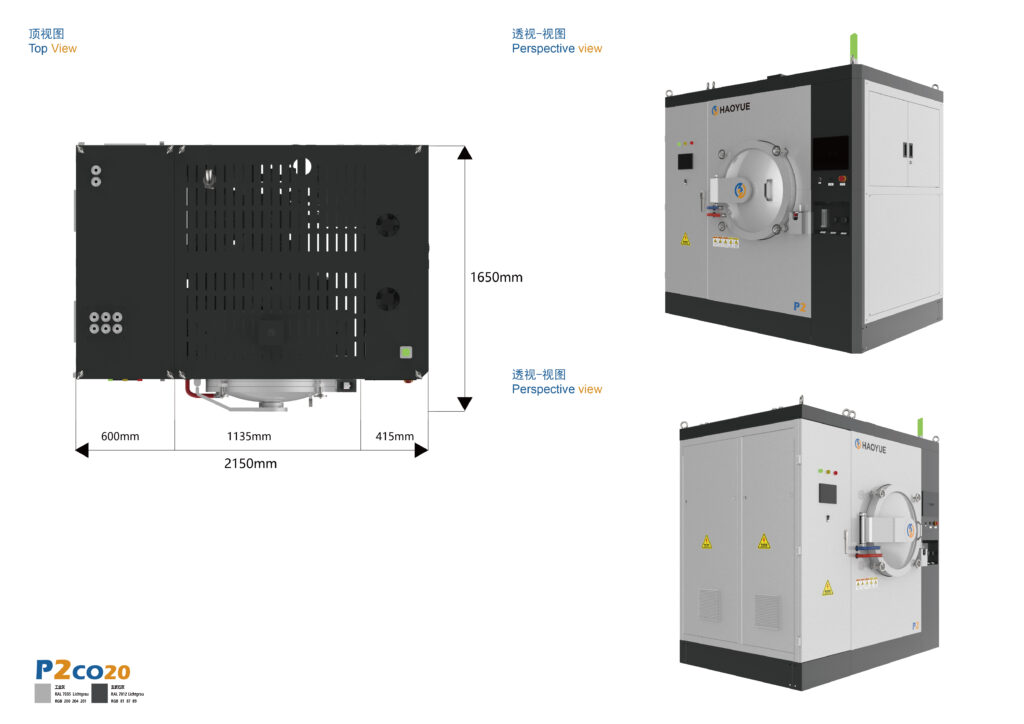
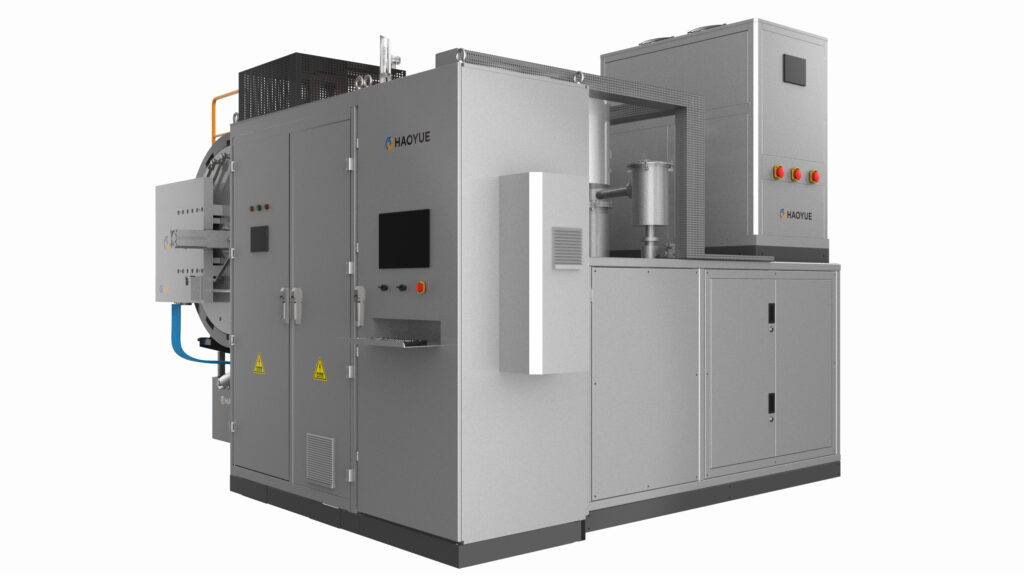
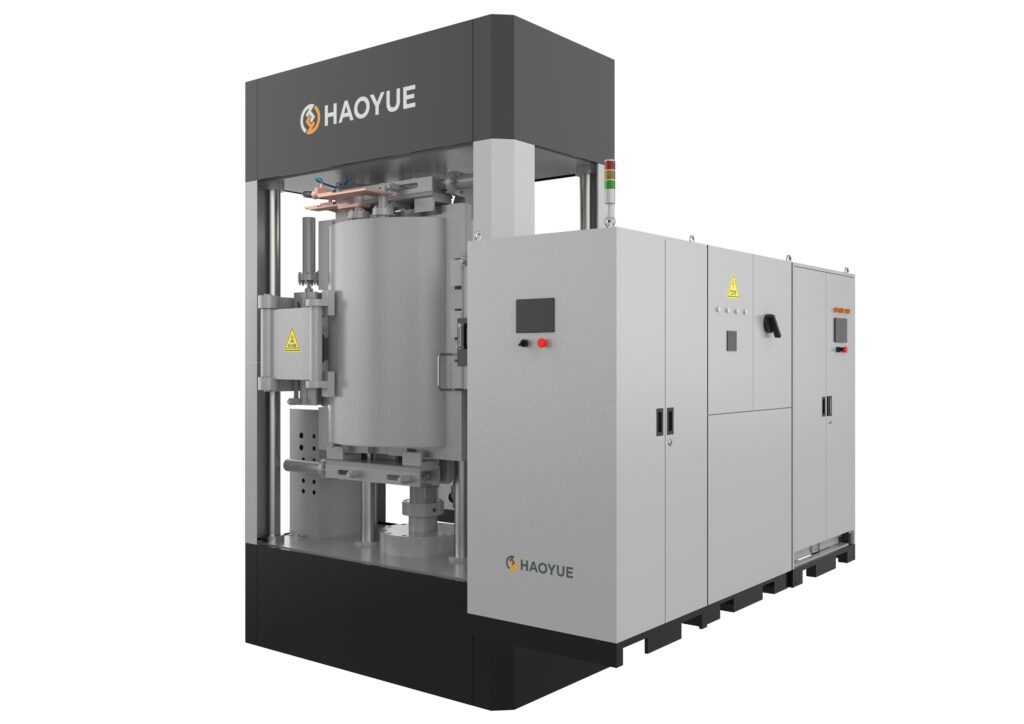
A reputable hot isostatic press manufacturer like HAOYUE brings extensive engineering expertise to the design and construction of these complex systems. Their offerings range from compact laboratory-scale units to large industrial furnaces capable of processing massive components. Key considerations in their design include robust pressure vessels, high-efficiency heating elements, advanced insulation systems, and precise control software. Safety is paramount, with multiple layers of redundant safety features integrated into every system to manage the extreme pressures and temperatures involved.
Customization is another hallmark of a top hot isostatic press manufacturer. They work closely with clients to understand specific material requirements, component sizes, and production volumes, then engineer bespoke solutions. This might involve optimizing chamber dimensions, pressure ratings, temperature uniformity, and cooling rates. Furthermore, they provide comprehensive support, from installation and commissioning to training and ongoing maintenance, ensuring optimal performance and longevity of their systems. Their commitment to R&D also drives continuous improvements in energy efficiency, process control, and automation, making HIP technology more accessible and cost-effective for a wider range of industries.
Synergy with Other Processing Technologies
HIP rarely operates in isolation. It is often an integral part of a broader manufacturing workflow, complementing other high-performance processing technologies to achieve optimal material properties.
For instance, after casting, a component might first undergo preliminary heat treatments before HIP. Similarly, additive manufactured parts might require specific stress relief or solution heat treatments before being subjected to HIP for densification. This is where the collaboration between a hot isostatic press manufacturer and a vacuum heat treatment furnace manufacturer becomes crucial. Vacuum heat treatment furnaces offer precise temperature control in an oxygen-free environment, ideal for processes like annealing, quenching, and tempering, which are essential for achieving desired microstructures and mechanical properties before or after HIP.
Furthermore, an industrial vacuum furnace supplier can provide a range of equipment for various stages of material processing, from vacuum brazing furnaces for joining components to vacuum sintering furnaces for densifying powder compacts. The holistic integration of these advanced thermal processing technologies ensures that components not only achieve full density but also possess the optimal microstructure and surface finish required for their intended application. This integrated approach, often facilitated by experienced equipment manufacturers, allows for seamless transitions between processes and ultimately leads to superior product quality and performance.
HAOYUE Furnace Technical Parameters
HAOYUE, as a prominent hot isostatic press manufacturer, offers a range of HIP systems designed for various industrial and research applications. A typical HAOYUE HIP furnace is engineered for reliability, precision, and efficiency, embodying advanced technological features.
- Model Series: HY-HIP (Customizable configurations available)
- Working Zone Dimensions: Ranging from Ø100mm x H200mm (lab scale) to Ø1500mm x H3000mm (industrial scale)
- Maximum Operating Temperature: Up to 2200°C (depending on heating element material like graphite, molybdenum, or tungsten)
- Maximum Operating Pressure: Up to 300 MPa (43,500 psi)
- Heating Elements: High-purity graphite, molybdenum, or tungsten, designed for uniform temperature distribution.
- Insulation: Multi-layer carbon felt or metallic reflective screens for superior thermal efficiency.
- Pressure Medium: High-purity Argon gas (other inert gases possible)
- Control System: Fully automated PLC-based control with HMI (Human Machine Interface), capable of precise temperature, pressure, and cooling rate programming. Features include data logging, alarm management, and remote diagnostic capabilities.
- Cooling System: Internal rapid cooling system for accelerated cycle times.
- Safety Features: Over-pressure protection, over-temperature protection, emergency stop, interlocks, and robust vessel design conforming to international pressure vessel codes (e.g., ASME, PED).
- Power Supply: Customizable to local grid requirements.
Real Overseas Project Cases for HAOYUE Hot Isostatic Press Furnaces
HAOYUE’s reputation as a leading hot isostatic press manufacturer is built on successful deployments across diverse global industries. Here are a few illustrative, albeit generalized, overseas project cases:
Aerospace Component Densification in Europe
A major European aerospace manufacturer procured a HAOYUE large-scale HIP furnace (Model HY-HIP-1200×2500) to densify additively manufactured titanium alloy components for aircraft engines. The system’s precise temperature uniformity (±3°C) and high-pressure capability (200 MPa) were crucial for achieving near-theoretical density and enhancing the fatigue life of complex turbine blades and structural brackets. This significantly reduced component failure rates and allowed the manufacturer to qualify AM parts for flight-critical applications, demonstrating the value of a reliable hot isostatic press manufacturer.
Advanced Ceramic Tooling in Asia
An Asian precision tooling company invested in a HAOYUE medium-sized HIP furnace (Model HY-HIP-400×800) for the post-processing of silicon nitride ceramic cutting inserts. The HIP treatment eliminated residual porosity, drastically improving the fracture toughness and wear resistance of the inserts. This enabled the company to produce tools with extended service life, achieving higher machining speeds and feeds for their automotive and medical device clients. The project highlighted HAOYUE’s ability to provide tailored solutions for advanced materials.
Powder Metallurgy for Medical Implants in North America
A North American medical device manufacturer acquired a HAOYUE compact HIP system (Model HY-HIP-200×400) specifically for densifying cobalt-chrome and titanium alloy powder metallurgy implants. The controlled HIP process ensured complete densification, eliminating micro-voids that could compromise biocompatibility and long-term mechanical integrity. This allowed the production of high-strength, porosity-free hip and knee joint components, meeting the stringent regulatory requirements for medical devices. The customer praised the system’s user-friendly interface and the comprehensive support provided by the hot isostatic press manufacturer.
Frequently Asked Questions (FAQ)
Q1: What are the primary benefits of using Hot Isostatic Pressing (HIP)?
A1: The primary benefits of HIP include the elimination of internal porosity and defects in castings, powder metallurgy parts, and additive manufactured components. This leads to significantly improved mechanical properties such as increased tensile strength, ductility, fatigue life, and creep resistance. HIP also achieves near-theoretical density in many materials, enhancing overall reliability and performance, especially for critical applications.
Q2: Which materials are most commonly processed by a hot isostatic press manufacturer?
A2: A hot isostatic press manufacturer typically designs systems capable of processing a wide range of materials. Commonly processed materials include superalloys (nickel-based, cobalt-based), titanium alloys, aluminum alloys, stainless steels, high-speed steels, tool steels, advanced ceramics (silicon nitride, alumina, zirconia), and various intermetallics. It is particularly effective for components produced by casting, powder metallurgy, and additive manufacturing.
Q3: How does HAOYUE ensure the quality and safety of its HIP furnaces?
A3: HAOYUE ensures quality and safety through rigorous design, manufacturing, and testing protocols. This includes adherence to international pressure vessel codes (e.g., ASME, PED), utilization of high-grade materials, and multi-stage quality control checks. All HAOYUE HIP furnaces incorporate redundant safety features, advanced PLC-based control systems for precise process management, and comprehensive alarm systems to guarantee safe and reliable operation under extreme conditions. As a leading hot isostatic press manufacturer, HAOYUE prioritizes both performance and operator safety.
Q4: Can HIP be used for large-scale industrial production?
A4: Yes, HIP is widely used for large-scale industrial production. Leading hot isostatic press manufacturers like HAOYUE offer industrial-sized HIP furnaces with large working zones, capable of processing numerous components simultaneously or very large individual parts. These systems are designed for high throughput, energy efficiency, and automation, making them suitable for continuous production environments in aerospace, automotive, energy, and medical industries.
The continuous advancements in materials science and engineering demand increasingly sophisticated processing techniques. Hot Isostatic Pressing, championed by innovative manufacturers, is at the forefront of this evolution, providing the means to unlock the full potential of advanced materials. As industries like aerospace push the boundaries of performance, the role of a dedicated hot isostatic press manufacturer becomes ever more critical, ensuring that the components that power our world are not only robust and reliable but also engineered to withstand the most extreme challenges. Their commitment to precision, safety, and innovation is fundamental to building a future where material limitations are continually overcome, driving progress across countless technological frontiers.
Related Products & Services
- Vacuum Sintering Furnace – Advanced sintering solutions from HaoYue Group.
- Vacuum Brazing Process Guide
- Vacuum Heat Treatment Process Guide
Looking for high-quality vacuum furnace solutions? Contact HaoYue Group today.
Related Products & Services
- Vacuum Sintering Furnace – Advanced sintering solutions from HaoYue Group.
- Vacuum Brazing Process Guide
- Vacuum Heat Treatment Process Guide
Looking for high-quality vacuum furnace solutions? Contact HaoYue Group for more information.
Related Products & Services
- Vacuum Sintering Furnace – Advanced sintering solutions from HaoYue Group.
- Vacuum Brazing Process Guide
- Vacuum Heat Treatment Process Guide
Looking for high-quality vacuum furnace solutions? Contact HaoYue Group for more information.
Frequently Asked Questions
How does Hot Isostatic Pressing (HIP) specifically improve material performance in the aerospace sector?
HIP enhances material performance by eliminating internal porosity and defects, which are critical for aerospace components. This process improves fatigue strength and extends the service life of parts like turbine blades and impellers, ensuring they can withstand extreme conditions inherent in aerospace applications.
Why is the role of a hot isostatic press manufacturer crucial in the aerospace industry?
A hot isostatic press manufacturer provides the sophisticated equipment necessary for HIP, ensuring precision and reliability. Their expertise is essential in delivering solutions that meet the stringent performance and safety standards of aerospace, helping to enhance the structural integrity and reliability of critical components.
What are the typical conditions under which Hot Isostatic Pressing operates?
HIP typically operates at temperatures ranging from 900°C to 2000°C and pressures between 100 MPa and 300 MPa. These conditions are carefully controlled to match specific material properties, ensuring effective densification and elimination of internal defects without altering external dimensions.
How does HIP compare to conventional heat treatment methods in terms of addressing material defects?
Unlike conventional heat treatment, which primarily alters microstructure, HIP directly eliminates internal defects such as porosity and micro-cracks. This makes HIP particularly valuable for materials from processes like casting and additive manufacturing, where porosity is a common issue.
What types of materials and components in aerospace benefit most from HIP?
Materials like superalloys and titanium alloys used in components such as turbine blades, impellers, and structural brackets benefit significantly from HIP. The process heals shrinkage porosity and micro-cracks, which are crucial for enhancing fatigue strength and service life in high-stress aerospace environments.
Why might procurement engineers consider combining HIP with other processes like vacuum heat treatment?
Procurement engineers might combine HIP with vacuum heat treatment to achieve comprehensive material enhancement. While HIP eliminates internal defects and improves density, vacuum heat treatment can further refine microstructure and mechanical properties, offering a holistic approach to enhancing component performance.