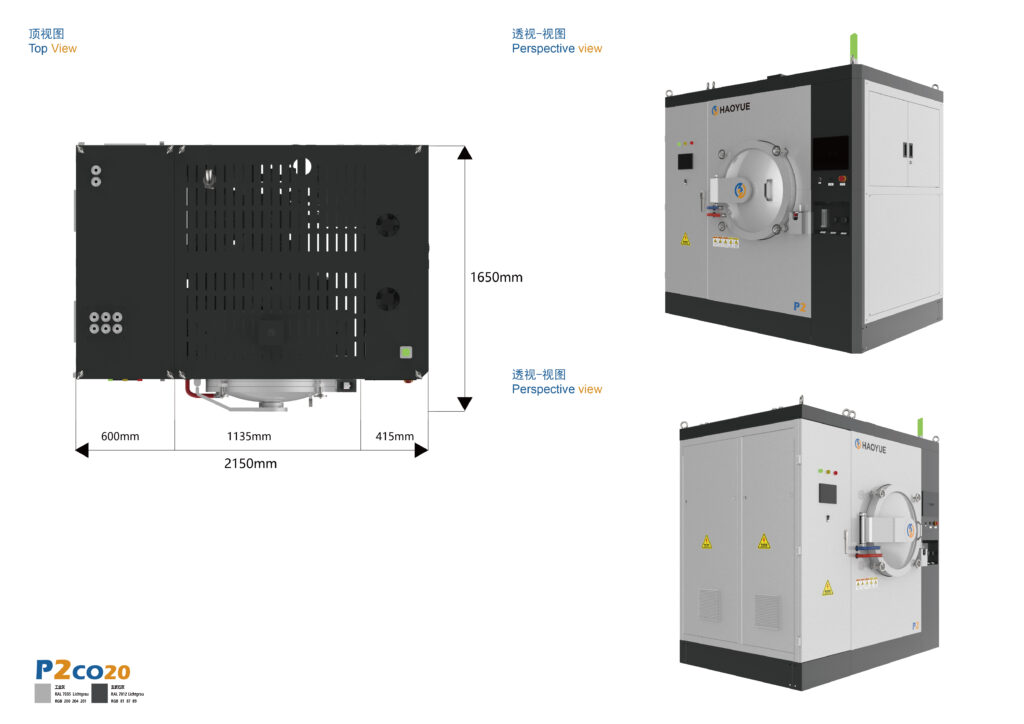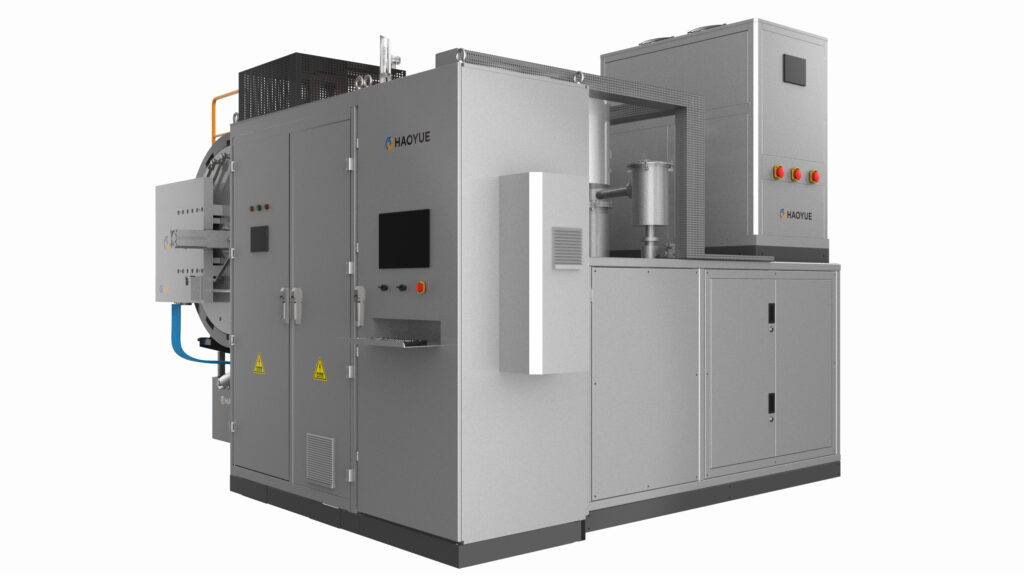






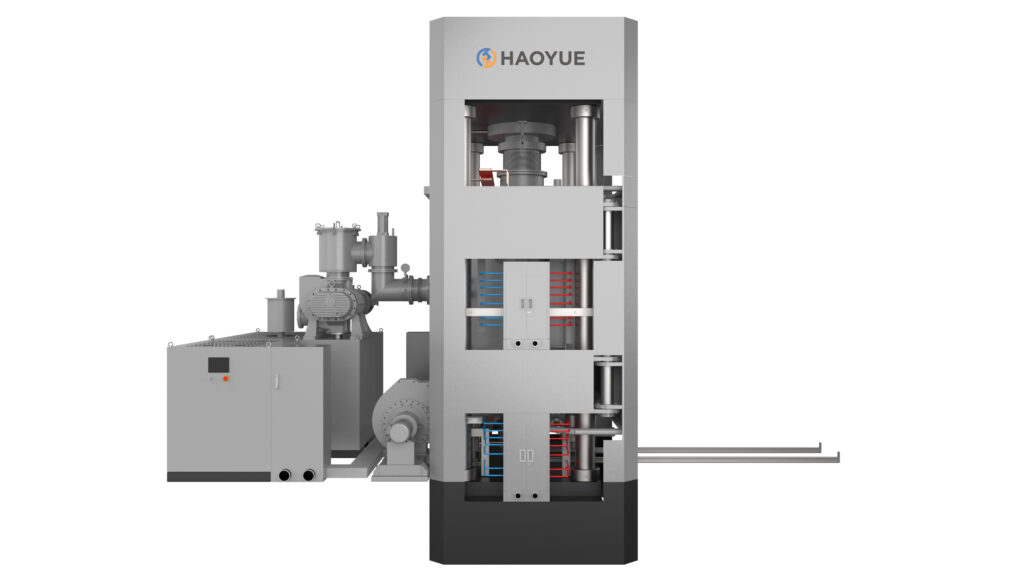
In today’s competitive manufacturing landscape, controlling operational costs while maintaining high-quality output is paramount. For industries relying on sintering processes, energy consumption represents a significant expenditure. This article will guide you through understanding the critical advantages and technological features of a low power consumption sinter furnace, equipping you with the knowledge to make informed decisions for enhanced efficiency and reduced environmental impact.
Key Takeaways
- Significantly reduce operational energy costs in sintering.
- Improve process control and product consistency.
- Contribute to sustainable manufacturing practices.
- Leverage advanced technology for superior thermal efficiency.
Why is Energy Efficiency Crucial for Sintering Operations?
Sintering furnaces operate at extremely high temperatures, making them inherently energy-intensive. Rising energy prices and increasing pressure for sustainable practices mean that inefficient furnaces can severely impact profitability and environmental compliance. Investing in a low power consumption sinter furnace directly addresses these challenges by optimizing thermal management and minimizing energy waste throughout the sintering cycle.
How Do Low Power Consumption Sinter Furnaces Achieve Savings?
Modern efficient furnaces integrate several key technologies to reduce power usage. Superior thermal insulation, often multi-layered and vacuum-sealed, dramatically minimizes heat loss to the environment. Advanced heating elements, designed for rapid heating and precise temperature control, ensure energy is only applied when and where it’s needed. Furthermore, sophisticated process control systems optimize heating profiles, preventing over-processing and ensuring consistent material properties with minimal energy input.
What Features Define an Efficient Sinter Furnace?
When evaluating a low power consumption sinter furnace, look for features like advanced vacuum systems for oxygen-free environments, which also contribute to thermal efficiency by eliminating convective heat transfer. High-purity refractory materials and innovative chamber designs are essential for containing heat effectively. Waste heat recovery systems, which capture and reuse thermal energy, can further boost overall system efficiency, turning what was once wasted energy into a valuable resource.
Real-World Impact: The Economic and Environmental Edge
The implementation of energy-efficient sintering technology offers tangible benefits. For instance, a study on industrial energy management highlighted that optimizing thermal processes can lead to substantial reductions in energy consumption, often exceeding 20% in specific applications. These savings directly translate to lower operational expenditure (OpEx) and improved profit margins. Moreover, by reducing energy demand, companies also significantly lower their carbon footprint, aligning with global sustainability goals and enhancing corporate responsibility. For comprehensive guidance on optimizing energy use in industrial settings, refer to resources like the U.S. Department of Energy’s Advanced Manufacturing Office.
Selecting a sinter furnace that prioritizes low power consumption is not merely an upgrade; it’s a strategic investment in the future of your manufacturing operations. By focusing on advanced thermal management, precise process control, and sustainable design, you can achieve superior product quality while significantly reducing both energy costs and environmental impact, setting a new standard for efficiency in material processing.
Related Products & Services
Looking for high-quality vacuum furnace solutions? Contact HaoYue Group today.
Related Products & Services
- Vacuum Sintering Furnace – Advanced sintering solutions from HaoYue Group.
Looking for high-quality vacuum furnace solutions? Contact HaoYue Group for more information.
Related Products & Services
- Vacuum Sintering Furnace – Advanced sintering solutions from HaoYue Group.
Looking for high-quality vacuum furnace solutions? Contact HaoYue Group for more information.
Frequently Asked Questions
What specific technologies are used in low power consumption sinter furnaces to enhance thermal efficiency?
These furnaces utilize superior thermal insulation, often multi-layered and vacuum-sealed, to minimize heat loss. Advanced heating elements provide rapid and precise temperature control, while sophisticated process control systems optimize heating profiles and minimize energy input.
How does a low power consumption sinter furnace contribute to sustainable manufacturing practices?
By minimizing energy waste and optimizing thermal management, these furnaces reduce overall energy consumption significantly. This leads to a lower carbon footprint, aligning operations with global sustainability goals and demonstrating corporate responsibility towards environmental impact.
What role does process control play in achieving energy efficiency in sinter furnaces?
Process control systems in efficient sinter furnaces ensure precise management of heating profiles. This prevents over-processing and ensures consistent material properties, using minimal energy input. Such systems are vital for maintaining product quality while optimizing energy use.
Can the implementation of energy-efficient sintering technology lead to economic benefits?
Yes, implementing energy-efficient sintering technology can lead to significant economic benefits. By reducing energy consumption by over 20% in some cases, companies can lower operational expenditure, improve profit margins, and enhance their competitiveness in the manufacturing sector.
What are the environmental benefits of using a low power consumption sinter furnace?
The environmental benefits include a significant reduction in energy demand, leading to a lower carbon footprint. This aligns with sustainability goals and supports corporate responsibility initiatives, contributing to a greener manufacturing process and reduced environmental impact.
How does waste heat recovery contribute to the efficiency of sinter furnaces?
Waste heat recovery systems capture and reuse thermal energy that would otherwise be lost. This process boosts overall system efficiency, turning wasted energy into a valuable resource, further reducing energy consumption and enhancing the furnace's operational efficiency.