





Understanding the price of an industrial vacuum sintering furnace is crucial for any business investing in advanced material processing. This article will guide you through the primary factors that influence the cost, from initial purchase to long-term operation, ensuring you make an informed decision aligned with your production goals and budget. We’ll explore how specifications, customization, and ongoing expenses contribute to the overall investment in this vital equipment.
Key Takeaways
- Initial furnace price is driven by size, temperature capabilities, and vacuum levels.
- Customization significantly impacts cost but can optimize process efficiency.
- Long-term operational expenses like energy, maintenance, and consumables are critical for ROI.
- Investing in higher quality can reduce downtime and improve material properties.
What Factors Directly Influence the Initial Purchase Price?
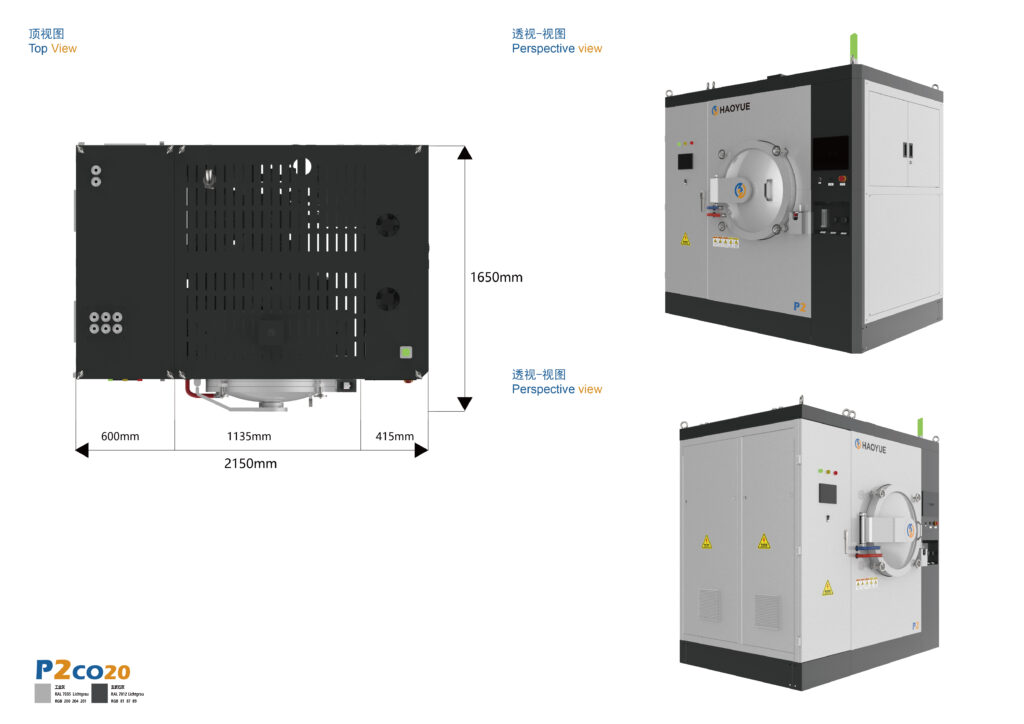
The upfront cost of an industrial vacuum sintering furnace is primarily determined by its technical specifications. Key aspects include the hot zone dimensions, maximum operating temperature, ultimate vacuum level, and pumping speed. Larger furnaces with higher temperature ceilings (e.g., 2000°C+) and ultra-high vacuum capabilities will naturally command a higher price due to more robust construction materials and sophisticated vacuum pump systems. The type of heating elements (e.g., graphite, molybdenum, tungsten) also plays a role, affecting both cost and suitability for specific materials.
Another significant factor is the control system’s sophistication. Advanced programmable logic controllers (PLCs) with precise temperature and pressure control, data logging, and remote monitoring features add to the complexity and therefore the cost. These features, however, are often critical for achieving repeatable results and ensuring product quality in demanding applications like additive manufacturing or powder metallurgy.
How Does Customization Affect Your Investment?
While standard models exist, many industrial vacuum sintering furnaces are customized to meet specific production requirements. This can involve tailored hot zone geometries, specialized gas quenching systems, integration with inert gas purification, or unique material handling solutions. Each customization adds to the base price but can dramatically improve efficiency, process yield, and overall product quality for niche applications. For instance, a furnace designed for specific binder removal processes might include additional trapping mechanisms, increasing its initial cost but preventing costly contamination and downtime.
Considering the return on investment (ROI) for these customizations is essential. A higher initial outlay for a perfectly matched system can lead to significant savings in operational costs, reduced scrap rates, and superior material properties over the furnace’s lifespan. The ability to achieve specific material purity and structural integrity, crucial for advanced applications, often justifies the additional investment in tailored features. The precise control and contamination prevention offered by vacuum environments are fundamental for producing high-quality advanced materials, directly impacting the value and performance of the final product.
Understanding Long-Term Operational Costs and ROI
Beyond the purchase price, the total cost of ownership for an industrial vacuum sintering furnace includes significant operational expenses. Energy consumption is a major factor, especially for high-temperature processes and prolonged cycles. Furnaces with superior insulation, efficient heating elements, and optimized vacuum systems can reduce energy bills over time. Maintenance costs, including spare parts for vacuum pumps, heating elements, and insulation, also need to be factored in. Regular preventive maintenance is vital for extending furnace life and preventing costly unscheduled downtime.
Consumables such as inert gases (argon, nitrogen) for partial pressure sintering or quenching, and specialized fixtures, contribute to ongoing expenses. When evaluating the price of industrial vacuum sintering furnace, a comprehensive analysis of both upfront capital expenditure and projected operational costs is paramount. This holistic view ensures that the chosen furnace not only meets immediate processing needs but also delivers optimal long-term value and a strong return on investment.
Related Products & Services
- Vacuum Sintering Furnace – Advanced sintering solutions from HaoYue Group.
- Vacuum Sintering Furnace for powder metallurgy
Looking for high-quality vacuum furnace solutions? Contact HaoYue Group for more information.
Related Products & Services
- Vacuum Sintering Furnace – Advanced sintering solutions from HaoYue Group.
- Vacuum Sintering Furnace for powder metallurgy
Looking for high-quality vacuum furnace solutions? Contact HaoYue Group for more information.
Frequently Asked Questions
What is the impact of furnace size on its initial cost?
The size of the furnace significantly influences its initial cost. Larger furnaces require more robust construction materials and advanced vacuum systems, leading to higher prices. These larger units are designed to handle more substantial material loads and achieve higher temperatures, making them more suitable for extensive industrial applications.
Why are advanced control systems important for vacuum sintering furnaces?
Advanced control systems, like programmable logic controllers (PLCs), are crucial for precise temperature and pressure management. They allow for data logging and remote monitoring, ensuring repeatable results and high-quality production. These systems, though increasing initial costs, are essential for demanding applications such as additive manufacturing and powder metallurgy.
In what ways can customization enhance furnace efficiency?
Customization allows furnaces to be tailored for specific production needs, such as unique hot zone geometries or specialized gas quenching systems. These modifications enhance process efficiency, yield, and product quality. For example, additional trapping mechanisms for binder removal can prevent contamination, reducing downtime and improving overall operational efficiency.
How does energy consumption affect the long-term cost of ownership?
Energy consumption is a significant factor in the long-term cost of owning a vacuum sintering furnace. High-temperature processes require substantial energy, but furnaces with efficient insulation and heating systems can lower energy bills over time. Optimizing vacuum systems also contributes to reduced energy usage, impacting overall operational costs.
What role do maintenance and consumables play in the furnace's total cost of ownership?
Maintenance and consumables like inert gases are critical components of the furnace's total cost of ownership. Regular preventive maintenance extends the furnace's lifespan and prevents unscheduled downtime, while consumables such as argon or nitrogen are necessary for maintaining the vacuum environment, impacting ongoing operational expenses.