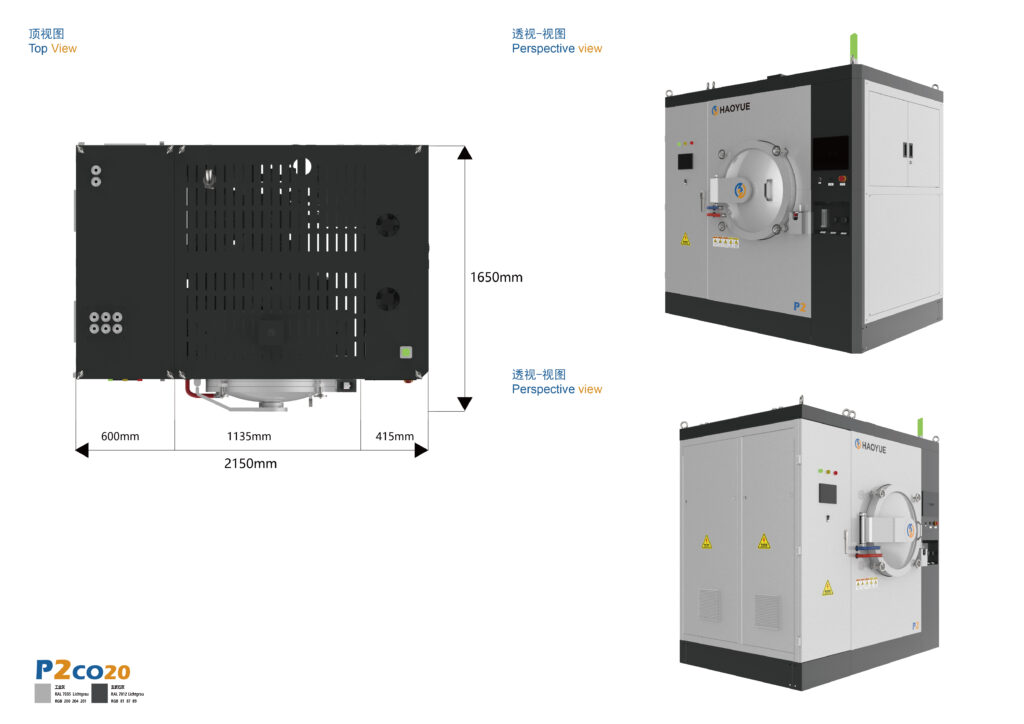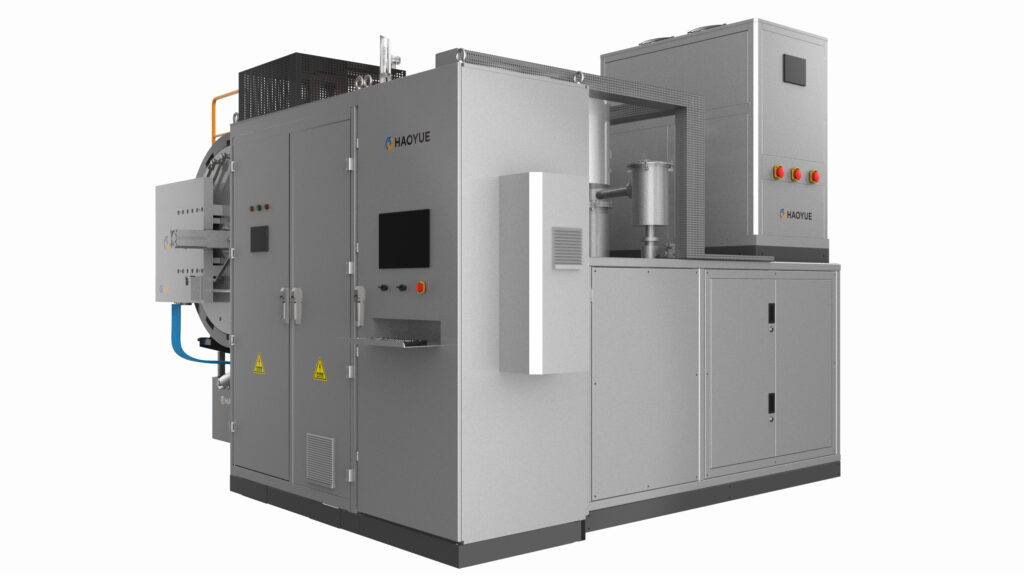






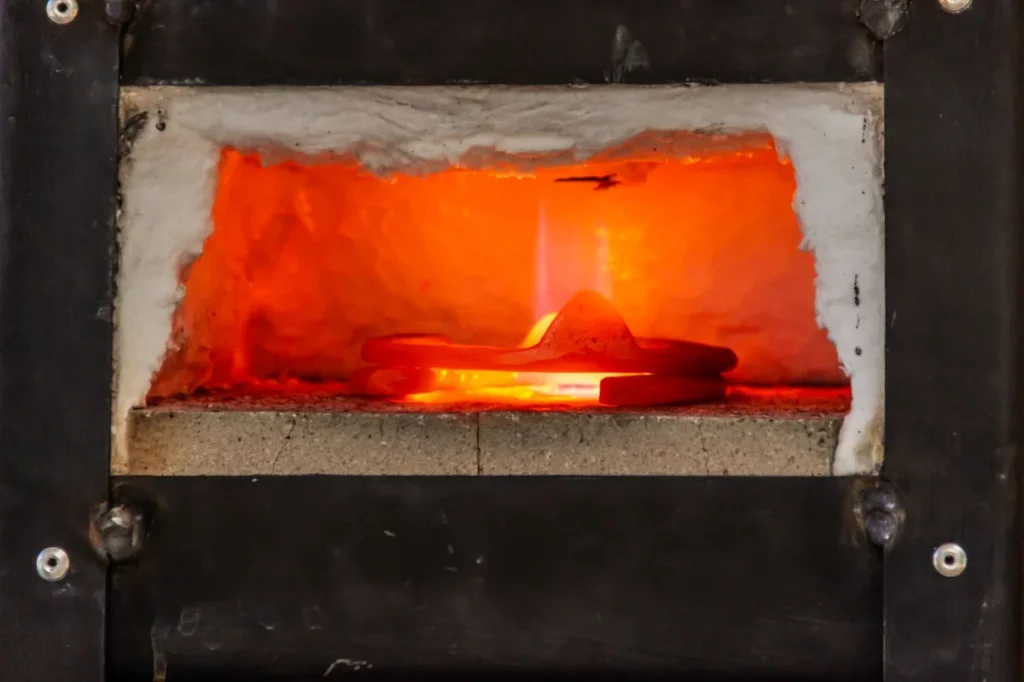
In the rapidly evolving landscape of advanced materials manufacturing, achieving precise thermal control is paramount to producing high-performance components. For industrial buyers and thermal engineers, selecting an experienced vacuum furnace manufacturer is the foundational step toward optimizing production efficiency and material integrity. When evaluating a vacuum furnace vs atmosphere furnace, the absence of atmospheric gases prevents oxidation, decarburization, and contamination, making vacuum technology the superior choice for critical metallurgical applications. By partnering with a dedicated vacuum sintering furnace manufacturer, operations can secure customized thermal systems engineered to meet stringent global standards.
Advanced Sintering Technologies and Material Consolidation
Modern powder metallurgy and technical ceramics demand specialized thermal cycles. For instance, achieving theoretical density in advanced ceramics requires precise control during silicon carbide sintering, the zirconia sintering process, and the alumina sintering process. Depending on the material properties, manufacturers must analyze the benefits of vacuum sintering vs pressure sintering to prevent micro-porosity. For ultra-hard materials, optimizing tungsten carbide sintering and high-temperature molybdenum sintering requires uniform heat distribution and precise vacuum levels. When standard sintering is insufficient, a gas pressure sintering furnace or a specialized vacuum hydrogen furnace can be deployed to facilitate complete densification and oxide reduction.
For rapid consolidation of difficult-to-sinter materials, engineers often evaluate advanced field-assisted techniques. Comparing SPS vs hot pressing (Spark Plasma Sintering vs Hot Pressing) is crucial; consulting a specialized SPS furnace manufacturer can unlock rapid cycle times, while a hot pressing furnace manufacturer offers solutions for larger, uniform planar components. For critical post-processing, understanding the differences between HIP vs vacuum sintering (Hot Isostatic Pressing) helps engineers determine if collaborating with a leading HIP manufacturer is necessary to eliminate internal voids in high-stress components.
Precision Vacuum Heat Treatment and Brazing Processes
Beyond sintering, thermal processing encompasses critical hardening and joining techniques. Working with a qualified vacuum heat treatment furnace manufacturer allows facilities to implement a precise vacuum hardening process to maximize wear resistance, or a controlled vacuum annealing process to relieve residual stresses in cold-worked metals. For reactive metals, preventing oxidation and interstitial embrittlement during titanium alloy heat treatment requires high-vacuum environments. When configuring these systems, deciding between a graphite furnace vs molybdenum furnace is a critical design choice; graphite offers cost-effective high-temperature performance, while molybdenum hot zones prevent carbon contamination in sensitive alloys.
For joining components, sourcing from a specialized vacuum brazing furnace manufacturer ensures leak-tight, high-strength joints. The precision of the vacuum brazing process eliminates the need for corrosive fluxes. When comparing vacuum brazing vs conventional brazing, vacuum systems yield cleaner joints with minimal distortion, making them indispensable for complex assemblies like heat exchangers and electronic packages.
Industry-Specific Thermal Processing Applications
High-vacuum thermal processing serves as the backbone for several high-tech industries. In aerospace engineering, meeting strict Nadcap requirements necessitates a certified aerospace heat treatment furnace for structural components, alongside a high-capacity aerospace vacuum furnace for turbine blade manufacturing. The medical sector relies heavily on the biocompatibility and density achieved via a medical implant sintering furnace for orthopedic devices, and a specialized dental implant vacuum furnace for high-purity zirconia restorations. In the rapidly expanding electronics and energy sectors, utilizing a high-purity semiconductor vacuum furnace ensures defect-free wafer processing, while a specialized battery material sintering furnace optimizes the electrochemical performance of active anode and cathode materials. Finally, industrial tooling relies on a high-performance carbide tool sintering furnace to produce durable, wear-resistant cutting inserts.
Conclusion: Selecting the Right Thermal Processing Partner
Optimizing your thermal processing workflow requires a deep understanding of material science, equipment capabilities, and process parameters. Whether you are implementing a complex vacuum sintering process or upgrading your heat treatment facility, partnering with an industry-leading OEM ensures your equipment is tailored to your exact specifications. By selecting the right technology—from SPS and HIP to high-vacuum brazing—manufacturers can achieve superior material properties, reduce cycle times, and maintain a competitive edge in today’s demanding industrial market.