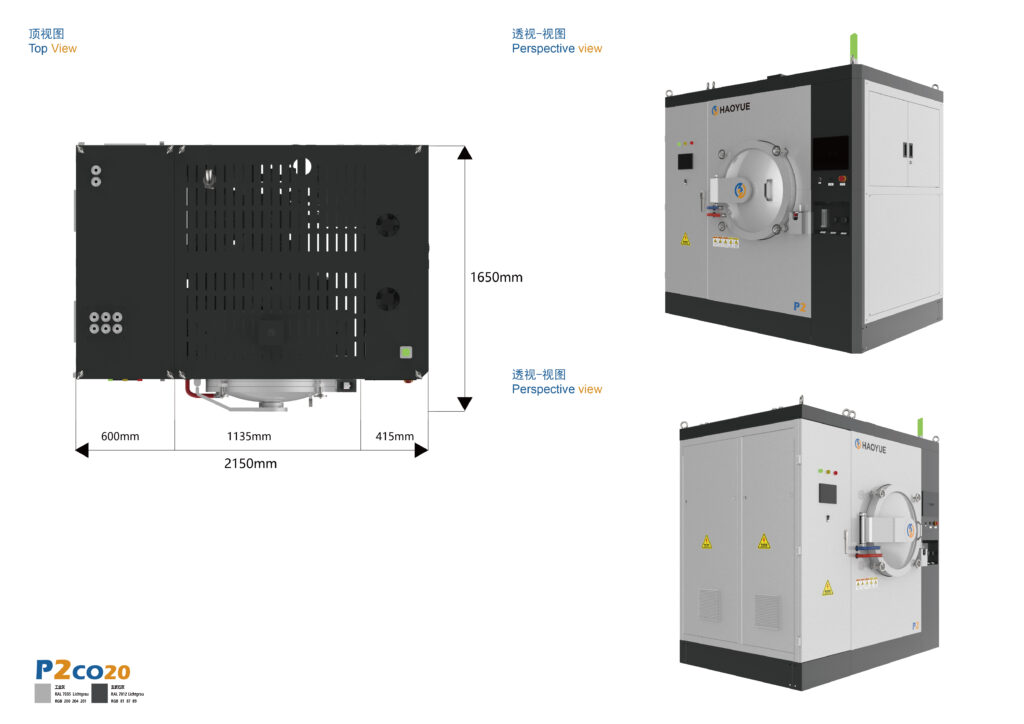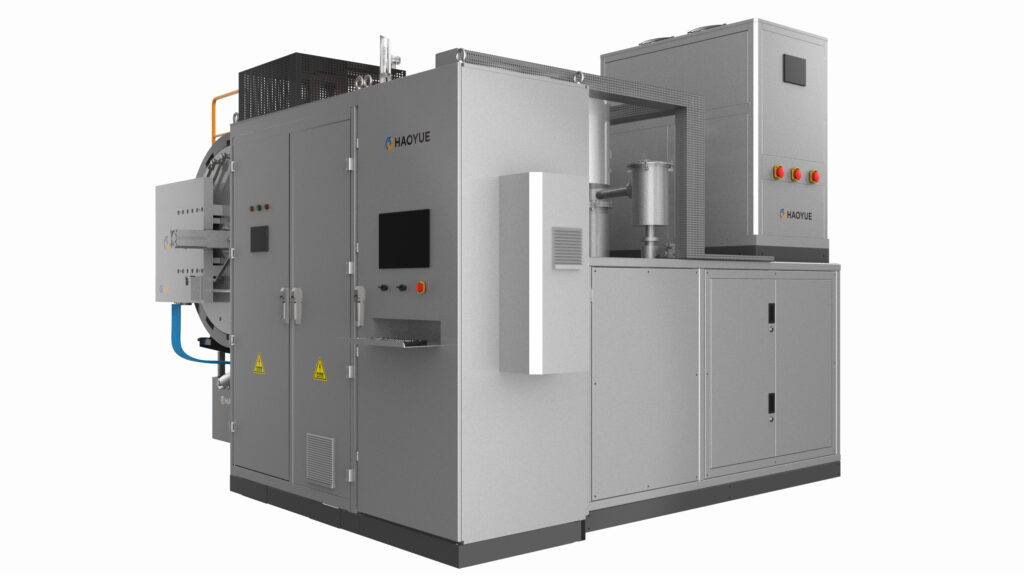






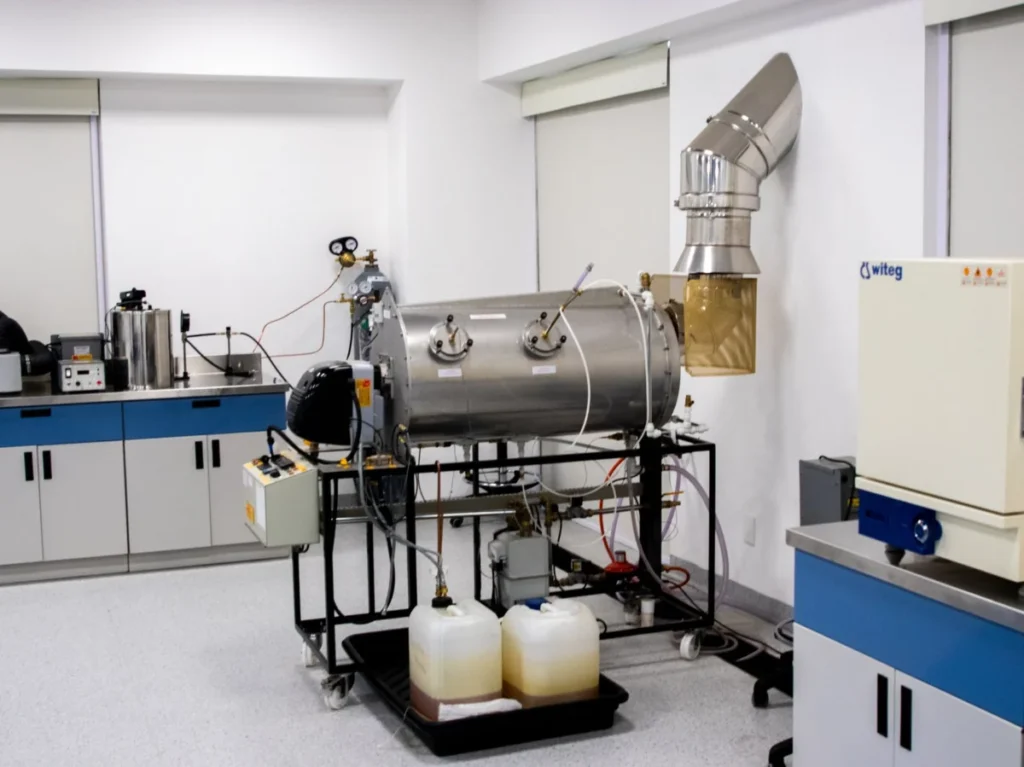
In high-precision manufacturing, selecting the right thermal processing technology is a critical factor that defines product quality, structural integrity, and production efficiency. For engineering teams and industrial buyers, understanding the operational boundaries of modern thermal systems is essential. When deciding on the foundational setup, evaluating the benefits of a vacuum furnace vs atmosphere furnace is often the first step. While atmosphere furnaces introduce specific protective gases at ambient pressure, a vacuum environment completely eliminates atmospheric contaminants, making it the preferred choice for high-value components in demanding industries.
The Core of Advanced Consolidation: Sintering Technologies
Sintering processes are vital for consolidating powder materials into dense, high-performance solid structures. Choosing the right equipment requires partnering with an established vacuum sintering furnace manufacturer who understands the nuances of material behavior under vacuum. For instance, achieving high density in tungsten carbide sintering and managing the high-temperature demands of molybdenum sintering require precise thermal control and high-vacuum integrity.
Different materials demand tailored thermal profiles. Advanced technical ceramics rely heavily on optimized thermal cycles; mastering the silicon carbide sintering process prevents grain growth while ensuring structural rigidity. Similarly, medical and dental applications require specialized environments, such as utilizing a dedicated dental implant vacuum furnace to perfect the zirconia sintering process, or controlling key parameters during the alumina sintering process to ensure biocompatibility and strength.
When standard sintering is insufficient for eliminating residual porosity, advanced pressure-assisted techniques are deployed. Engineers often evaluate vacuum sintering vs pressure sintering to determine the necessity of external mechanical force during consolidation. In this realm, comparing SPS vs hot pressing (Spark Plasma Sintering vs Hot Pressing) is common. Consulting an experienced SPS furnace manufacturer can reveal how field-assisted sintering drastically reduces cycle times compared to conventional systems, while working with a specialized hot pressing furnace manufacturer remains the standard for large-scale, uniform structural parts. Furthermore, examining HIP vs vacuum sintering helps manufacturers decide if Hot Isostatic Pressing is required to achieve theoretical density, prompting collaboration with a leading HIP manufacturer or integrating a gas pressure sintering furnace into their production line.
Precision Joining and Surface Modification
Beyond consolidation, thermal systems are widely utilized for joining and heat treatment. The vacuum brazing process has revolutionized high-strength metal joining, offering clean joints without the use of corrosive fluxes. Analyzing vacuum brazing vs conventional brazing highlights how the vacuum environment prevents oxidation, resulting in superior joint cosmetics and structural strength. To implement this, consulting a dedicated vacuum brazing furnace manufacturer ensures the acquisition of systems optimized for specific filler metals and geometries.
For structural modifications, a certified vacuum heat treatment furnace manufacturer can provide systems designed for precise phase transformations. These systems are essential for applying a precise vacuum annealing process to relieve internal stresses, or executing a strict vacuum hardening process to achieve high wear resistance. Such processes are critical in high-stakes industries, such as demanding strict control during titanium alloy heat treatment to prevent hydrogen embrittlement and preserve mechanical properties.
Industry-Specific Applications and Equipment Selection
Different industrial sectors require highly tailored thermal solutions to meet strict regulatory and performance standards. In the aerospace sector, safety and component longevity are paramount. Manufacturers rely on an aerospace vacuum furnace for processing critical engine parts, while utilizing an aerospace heat treatment furnace to ensure structural airframe components meet rigorous aerospace standards. In the medical sector, orthopedic devices require specialized processing in a medical implant sintering furnace to guarantee clean, defect-free surface structures.
The electronics and energy sectors also drive significant demand for specialized thermal systems. In semiconductor manufacturing, the role of a semiconductor vacuum furnace is crucial for wafer processing, thin-film deposition, and oxidation-free annealing. Similarly, the energy transition has accelerated the adoption of a battery material sintering furnace to synthesize high-purity solid-state electrolytes and cathode materials. For heavy manufacturing, using a carbide tool sintering furnace is the industry standard to produce highly wear-resistant cutting inserts and industrial drills.
Optimizing Furnace Configurations
Selecting the right internal configuration is as critical as choosing the process itself. Buyers must work with a reputable vacuum furnace manufacturer to configure hot zones that align with their operational chemistry. A key decision involves comparing a graphite furnace vs molybdenum furnace; graphite hot zones offer cost-effective, high-temperature capabilities for carbon-tolerant materials, whereas molybdenum hot zones are mandatory for cleanroom-grade, carbon-free processing. Additionally, for materials requiring specialized atmospheres, deploying a vacuum hydrogen furnace for reducing atmospheres can effectively eliminate oxides during the thermal cycle.
Ultimately, selecting the appropriate thermal processing technology requires a deep understanding of material science, equipment capabilities, and industry-specific compliance. By matching the correct process with precision-engineered vacuum systems, manufacturers can ensure maximum component performance, repeatability, and operational efficiency.