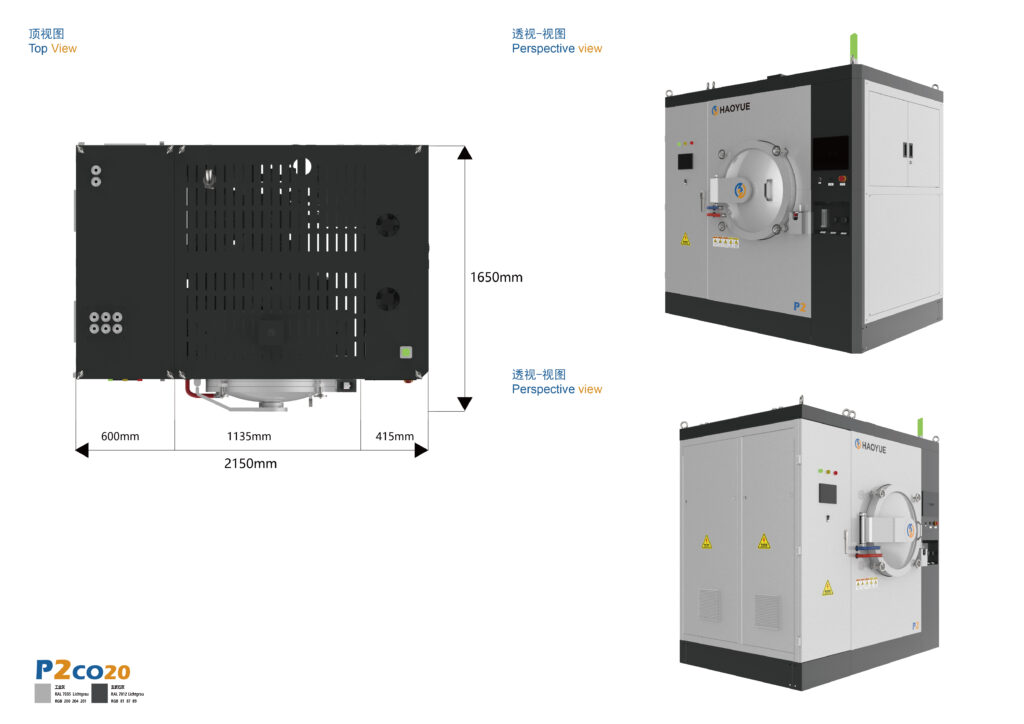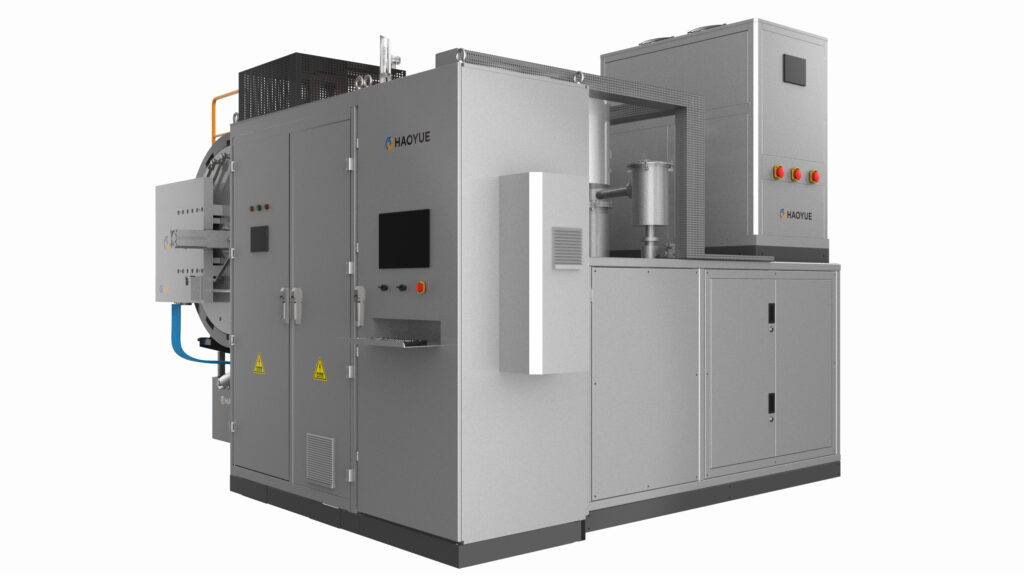






In the rapidly evolving landscape of advanced metallurgy, technical ceramics, and semiconductor manufacturing, achieving precise thermal control is paramount. For engineers and procurement specialists, selecting the right equipment begins with partnering with an experienced vacuum sintering furnace manufacturer. Modern industrial applications demand components that can withstand extreme environments, making high-performance thermal processing a necessity rather than an option. By choosing a reputable vacuum furnace manufacturer, operations can secure the exact thermal profiles required for high-density materials.
Advanced Sintering Methodologies and Material Optimization
Different materials require specialized sintering mechanisms to reach their theoretical density and mechanical limits. For instance, advanced ceramics such as those undergoing silicon carbide sintering require extremely high temperatures and precise atmosphere control. Similarly, medical-grade components utilizing the zirconia sintering process or industrial wear parts undergoing the alumina sintering process rely heavily on uniform heat distribution. For heavy-duty tooling, the density achieved in tungsten carbide sintering and the purity maintained during high-temperature molybdenum sintering are critical to preventing micro-voids and structural failures.
When selecting the appropriate sintering method, engineers must weigh several technological pathways. A common comparison in rapid consolidation is SPS vs hot pressing. Consulting an experienced SPS furnace manufacturer can reveal how Spark Plasma Sintering achieves rapid densification at lower temperatures compared to traditional hot pressing, while a specialized hot pressing furnace manufacturer can assist with larger, geometrically uniform components. For post-processing densification, evaluating HIP vs vacuum sintering is essential; Hot Isostatic Pressing provides multi-directional pressure to eliminate internal porosity, whereas the standard vacuum sintering process remains highly cost-effective for complex geometries. Furthermore, understanding the differences between vacuum sintering vs pressure sintering helps determine whether a standard vacuum cycle or an advanced gas pressure sintering furnace is required for volatile nitrogen-based or silicon-based ceramics. To implement these high-pressure thermal solutions, working with a leading HIP manufacturer ensures compliance with stringent safety and pressure standards.
Precision Heat Treatment and Joining Technologies
Beyond densification, modifying the microstructure of engineered metals requires sophisticated heat treatment systems. Partnering with an expert vacuum heat treatment furnace manufacturer allows facilities to perform delicate metallurgical transformations without surface oxidation. Key thermal cycles include relieving internal stresses via the vacuum annealing process and dramatically strengthening critical wear parts through the vacuum hardening process. For aerospace applications, the precise control required for titanium alloy heat treatment prevents alpha-case formation and guarantees structural integrity under cyclic fatigue.
When joining critical assemblies, the advantages of vacuum brazing vs conventional brazing become clear. Conventional brazing often introduces flux residues and oxidation, whereas the precision of the vacuum brazing process produces clean, flux-free, high-strength joints across dissimilar metals. Sourcing equipment from a specialized vacuum brazing furnace manufacturer guarantees the high vacuum levels and temperature uniformity needed for complex heat exchangers and electronic assemblies. For highly sensitive alloys, a controlled-atmosphere vacuum hydrogen furnace provides a reducing environment that active brazing and sintering processes require. Similarly, a high-purity semiconductor vacuum furnace is indispensable for wafer processing and packaging where zero-contamination environments are mandatory.
Industry-Specific Thermal Solutions and Equipment Configurations
Thermal processing equipment must be tailored to the unique regulatory and operational demands of each industry. In the aviation sector, utilizing an aerospace vacuum furnace ensures compliance with strict AMS2750 standards, while a specialized aerospace heat treatment furnace is critical for turbine blades and landing gear components. In the medical sector, a highly regulated medical implant sintering furnace ensures the bio-compatibility of orthopedic devices, while a compact dental implant vacuum furnace provides localized, high-precision sintering of zirconia crowns. For green energy, a high-throughput battery material sintering furnace is key to synthesizing advanced anode and cathode powders, while a heavy-duty carbide tool sintering furnace maintains the wear resistance of industrial cutting tools.
When configuring these advanced systems, buyers face critical hardware choices. Deciding between a vacuum furnace vs atmosphere furnace depends on whether the material requires a complete vacuum to prevent oxidation or can tolerate inert gas purging. Internally, the dilemma of a graphite furnace vs molybdenum furnace must be resolved: graphite zones are highly cost-effective and durable for general metallurgy, while molybdenum hot zones are mandatory for cleanroom environments, semiconductor processing, and high-purity medical applications.
Conclusion: Selecting the Right Industrial Thermal Partner
Investing in advanced thermal processing technology requires a deep understanding of material science, process parameters, and equipment engineering. Whether your facility is scaling up ceramic production, optimizing aerospace components, or refining semiconductor manufacturing, selecting the right partner is the foundation of operational success. By aligning your material requirements with the specialized capabilities of leading kiln and furnace manufacturers, you can ensure long-term reliability, energy efficiency, and unmatched product quality.