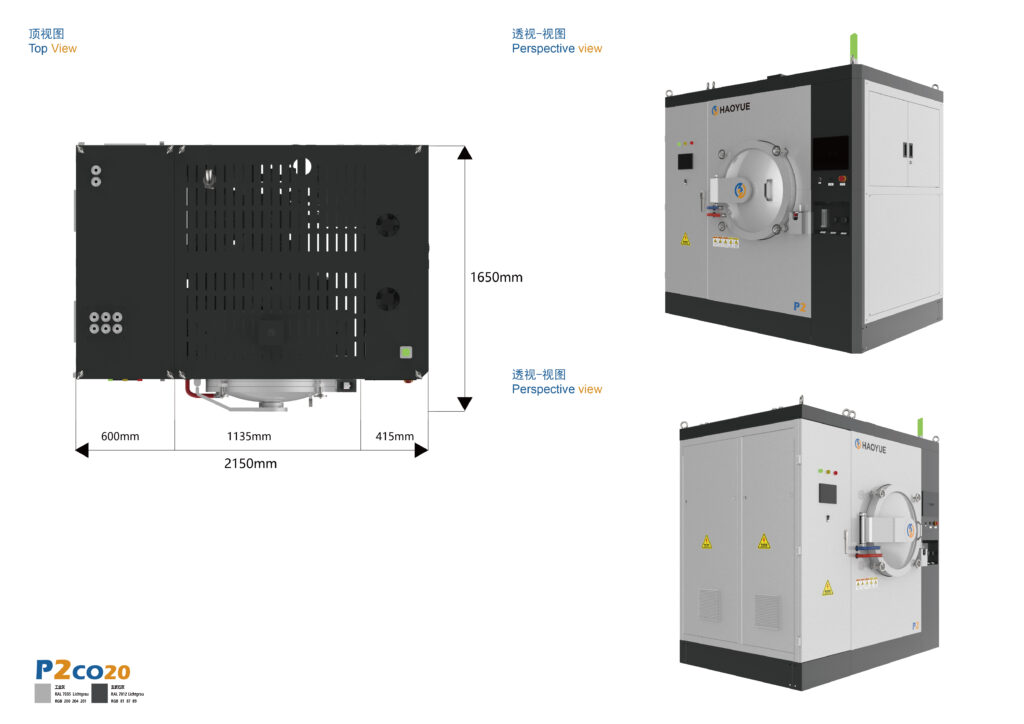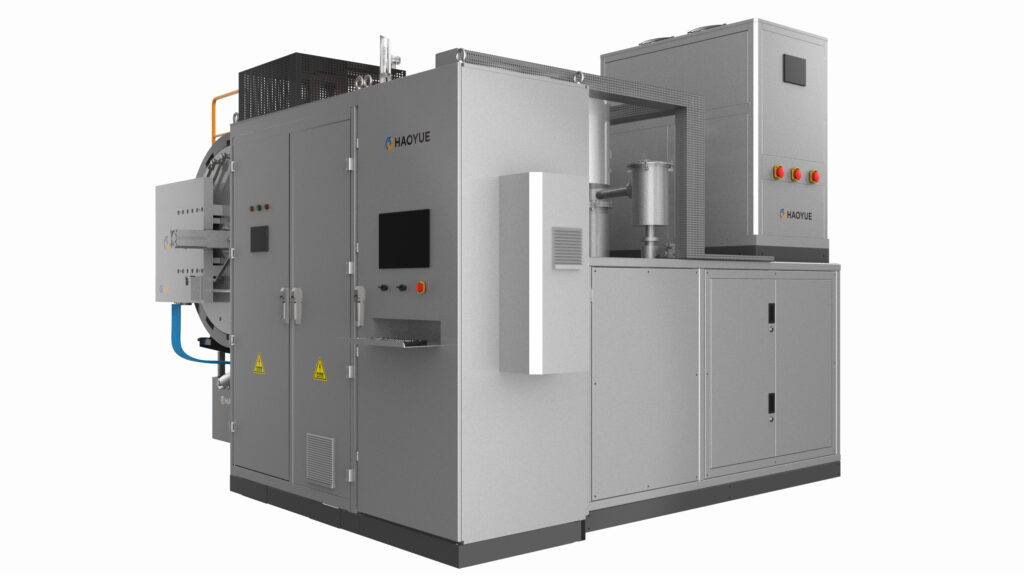






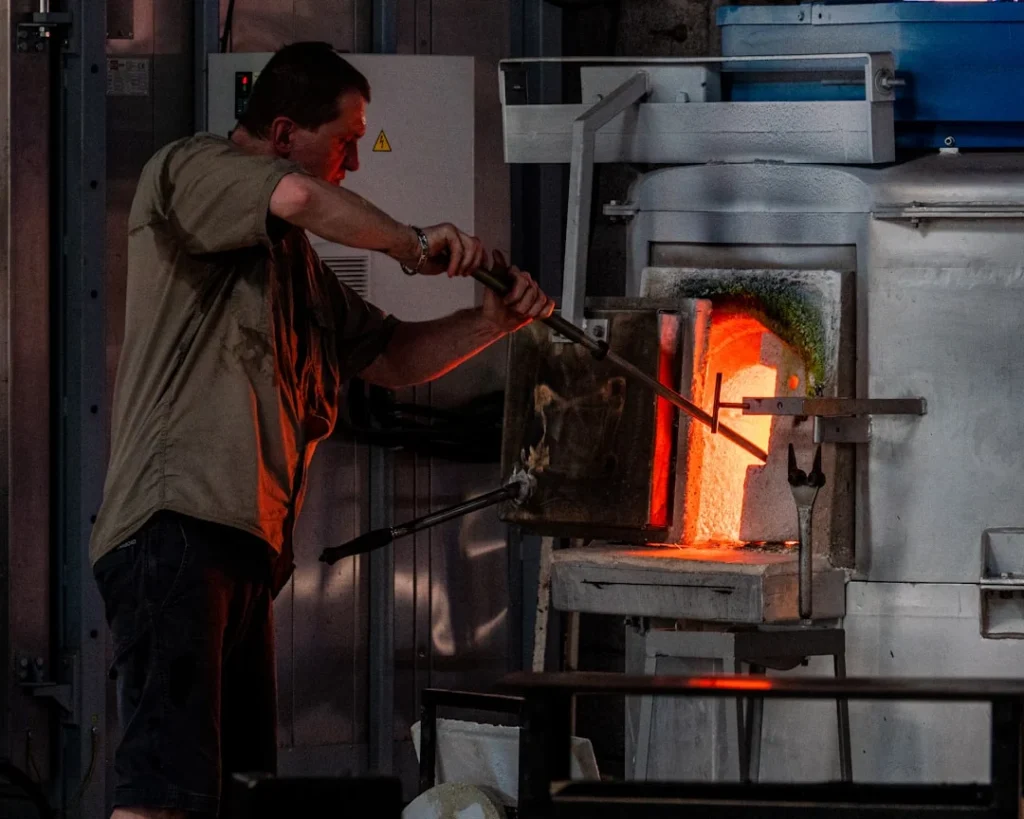
The manufacturing of high-performance materials requires precise thermal processing. As a leading vacuum furnace manufacturer, understanding the nuances of thermal dynamics is critical. Whether you are executing a complex vacuum sintering process or a specialized vacuum annealing process, selecting the right equipment determines the quality, mechanical properties, and consistency of your end product.
Sintering Technologies: SPS, Hot Pressing, and HIP
When evaluating material consolidation methods, engineers often debate SPS vs hot pressing to achieve near-theoretical density in advanced ceramics and composite materials. Spark Plasma Sintering (SPS) offers incredibly rapid heating rates and shorter cycle times, making an experienced SPS furnace manufacturer a vital partner for cutting-edge R&D and specialized production. For larger structural components, comparing HIP vs vacuum sintering is essential, as Hot Isostatic Pressing (HIP) eliminates internal micro-porosity through simultaneous high temperature and isostatic gas pressure. Consulting a qualified HIP manufacturer or a specialized hot pressing furnace manufacturer helps clarify whether your application requires uniaxial pressure or multidirectional gas pressure, such as that provided in a gas pressure sintering furnace.
Material-Specific Sintering and Heat Treatment Processes
Different materials demand highly customized thermal cycles and atmospheric conditions. For instance, advanced structural ceramics like silicon carbide sintering and the alumina sintering process require extremely high temperatures and precise atmosphere control, often necessitating a choice between a graphite furnace vs molybdenum furnace depending on the carbon contamination limits of the material. Meanwhile, the biocompatible zirconia sintering process is vital for medical applications, typically performed in a specialized dental implant vacuum furnace or a broader medical implant sintering furnace to ensure zero contamination.
For heavy industrial tooling, tungsten carbide sintering and molybdenum sintering provide the extreme hardness and wear resistance needed for cutting tools, typically processed in a dedicated carbide tool sintering furnace. Beyond sintering, surface modifications and metallurgical joints are crucial. A professional vacuum heat treatment furnace manufacturer provides systems optimized for a precise vacuum hardening process or a specialized titanium alloy heat treatment to prevent oxidation and hydrogen embrittlement in sensitive alloys.
Advanced Joining and Industry Applications
For high-strength component joining, understanding vacuum brazing vs conventional brazing reveals why high-value assemblies rely on the clean, flux-free environment of the vacuum brazing process. Partnering with a dedicated vacuum brazing furnace manufacturer ensures leak-tight joints in complex heat exchangers and electronic assemblies. Industrial sectors have highly specific standards. In aviation, the use of an aerospace vacuum furnace or an aerospace heat treatment furnace is mandatory to meet strict Nadcap requirements and ensure component integrity under extreme stress.
In the electronics sector, a high-purity semiconductor vacuum furnace ensures contamination-free processing of wafers and advanced packaging, while a specialized battery material sintering furnace handles the delicate thermal synthesis of anode and cathode powders. For reduction processes and high-temperature alloy processing, a vacuum hydrogen furnace offers the necessary reducing atmosphere to eliminate oxides.
Conclusion: Selecting the Right System
In conclusion, understanding the differences between a vacuum furnace vs atmosphere furnace is the first step in optimizing your thermal processing line. By aligning your specific material needs—from vacuum sintering vs pressure sintering to specialized alloy heat treatment—with the engineering capabilities of an established vacuum sintering furnace manufacturer, you can ensure long-term operational efficiency, lower energy consumption, and superior product quality.