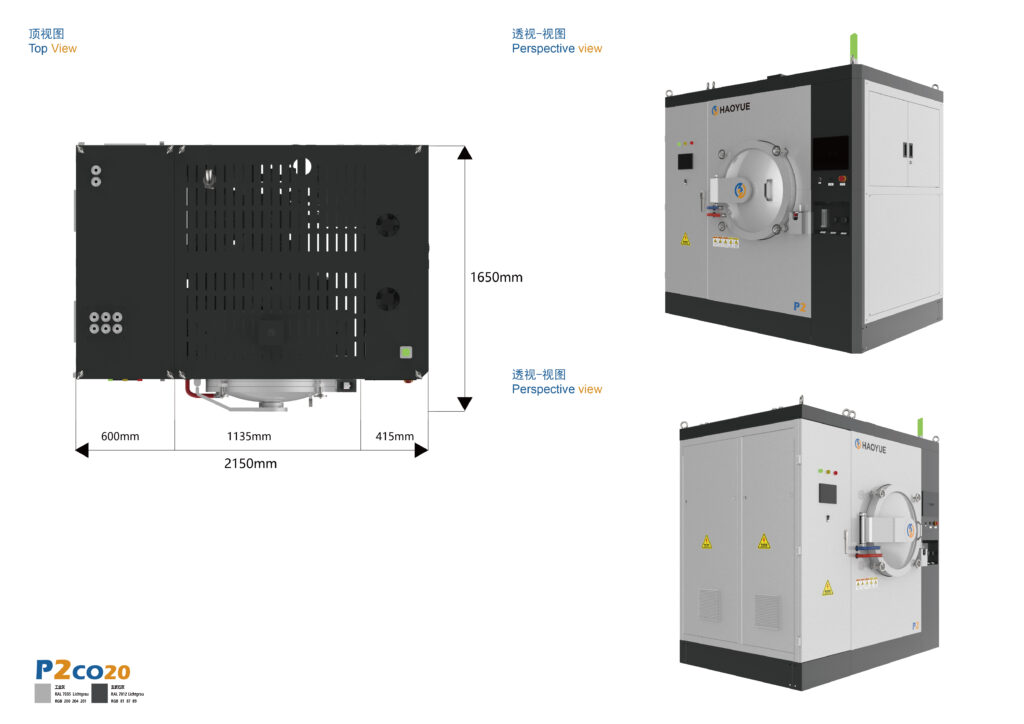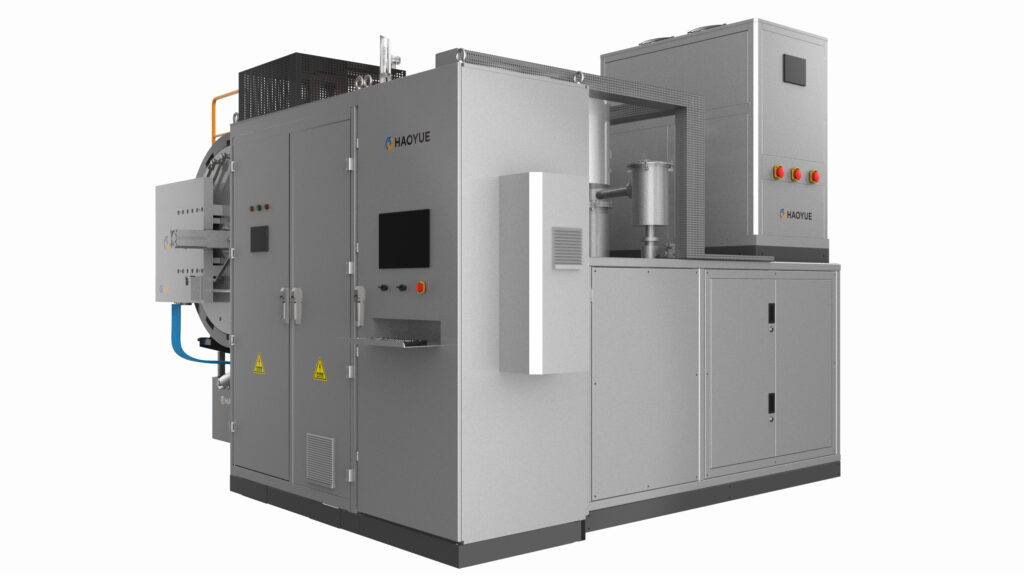






In the rapidly evolving landscape of advanced metallurgy and technical ceramics, selecting the optimal thermal processing equipment is critical for achieving superior material properties. For engineering buyers and metallurgical specialists, partnering with a leading vacuum furnace manufacturer or a specialized vacuum sintering furnace manufacturer is the first step toward process optimization. When evaluating system designs, the fundamental choice of a vacuum furnace vs atmosphere furnace determines the purity, density, and microstructural integrity of the final product, especially when dealing with reactive metals and high-performance ceramics.
Advanced Sintering Methodologies and Equipment Selection
Modern industrial manufacturing relies heavily on precise sintering profiles. For instance, achieving high density in silicon carbide sintering requires precise temperature control and vacuum levels. Similarly, the zirconia sintering process and the alumina sintering process demand precise thermal cycles to avoid micro-cracking and ensure optimal optical and mechanical properties. To achieve rapid consolidation, engineers often compare SPS vs hot pressing (Spark Plasma Sintering versus Hot Pressing). Consulting a qualified SPS furnace manufacturer or a hot pressing furnace manufacturer helps determine which technology offers the best throughput and grain size control for specific material formulations.
Material-Specific Thermal Processing and Industrial Applications
Different industries require highly tailored thermal environments. In the tooling sector, tungsten carbide sintering and molybdenum sintering are typically executed in a high-capacity carbide tool sintering furnace to guarantee wear resistance and hardness. Meanwhile, the medical sector relies on specialized equipment like a medical implant sintering furnace for orthopedic devices, and a dental implant vacuum furnace to ensure biocompatibility and zero contamination in dental prosthetics. Additionally, the green energy transition has surged the demand for a precise battery material sintering furnace to synthesize high-capacity anode and cathode powders.
Critical Process Comparisons: Achieving Maximum Density
When component performance cannot be compromised, advanced densification techniques are employed. A common debate among materials scientists centers on HIP vs vacuum sintering (Hot Isostatic Pressing versus standard vacuum sintering), as well as vacuum sintering vs pressure sintering. While the standard vacuum sintering process is highly cost-effective, utilizing a gas pressure sintering furnace or partnering with an established HIP manufacturer is essential for closing residual porosity in critical aerospace and defense components. Furthermore, selecting the hot zone insulation and heating elements—specifically comparing a graphite furnace vs molybdenum furnace—is crucial, as graphite may cause carburization in certain alloys, whereas molybdenum offers an ultra-clean environment.
Advanced Joining and Heat Treatment Technologies
Beyond sintering, thermal joining is vital for complex assemblies. The vacuum brazing process has revolutionized high-precision joining, offering significant advantages when analyzing vacuum brazing vs conventional brazing in terms of joint strength, aesthetics, and the elimination of flux residues. Working with a dedicated vacuum brazing furnace manufacturer ensures the delivery of systems capable of handling complex geometries. For post-processing, precise thermal cycles such as the vacuum annealing process and the vacuum hardening process are indispensable. These processes, alongside specialized titanium alloy heat treatment, are typically performed in a certified aerospace vacuum furnace or an aerospace heat treatment furnace to meet stringent Nadcap auditing standards.
Specialized Semiconductor and Hydrogen Atmosphere Solutions
In the microelectronics sector, contamination is the ultimate failure point. The integration of a high-purity semiconductor vacuum furnace allows for precise oxide reduction and annealing of silicon and compound semiconductor wafers. For processes requiring highly reducing atmospheres, a vacuum hydrogen furnace is utilized to safely manage hydrogen gas while maintaining high-vacuum safety protocols. Ultimately, collaborating with an experienced vacuum heat treatment furnace manufacturer allows industrial operations to customize their thermal processing parameters, ensuring long-term reliability, energy efficiency, and compliance with global manufacturing standards.