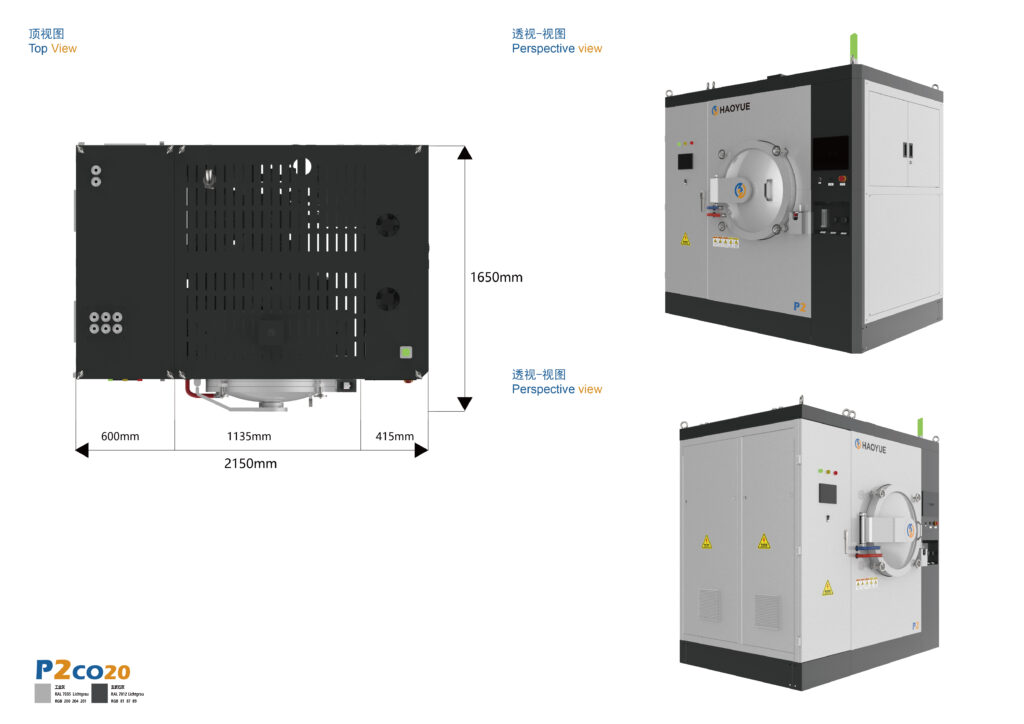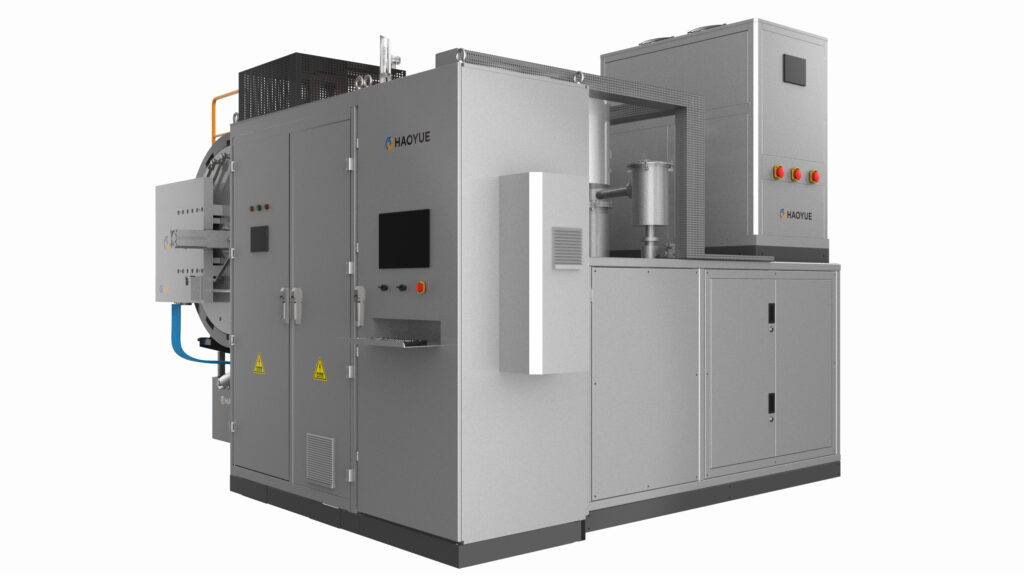






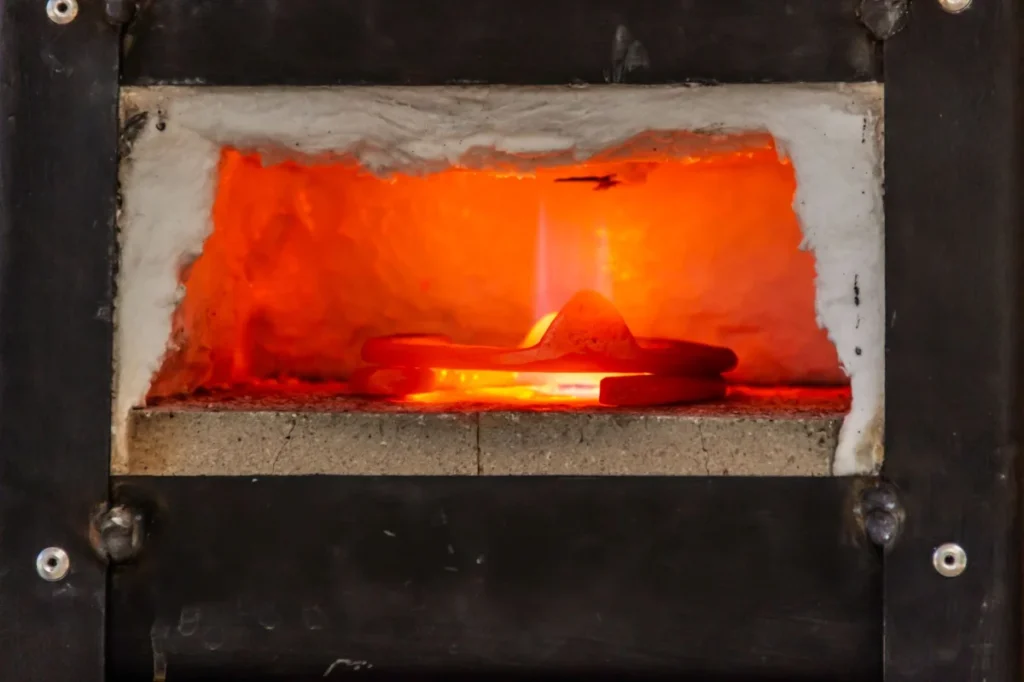
In modern manufacturing, achieving superior material properties requires precise control over thermal environments. Choosing the right thermal processing system is a critical decision for engineers and procurement specialists alike. Partnering with an experienced vacuum furnace manufacturer ensures access to advanced thermal solutions that meet rigorous industrial standards. From aerospace components to medical devices, understanding the nuances of the vacuum sintering process and specialized heat treatments is essential for optimizing production efficiency and product quality.
Understanding Advanced Sintering Technologies
When evaluating sintering methods for high-performance materials, engineers often weigh several competing technologies. A common comparison in powder metallurgy is SPS vs hot pressing. Spark Plasma Sintering (SPS) offers rapid heating rates and shorter cycle times, making a specialized SPS furnace manufacturer highly sought after for advanced research and dense material production. Conversely, a hot pressing furnace manufacturer provides systems ideal for larger, simpler geometries requiring continuous pressure and heat.
Another critical comparison is HIP vs vacuum sintering. Hot Isostatic Pressing (HIP) utilizes high-pressure gas to eliminate internal porosity, whereas standard vacuum sintering relies on thermal energy to densify compacts. Consulting a leading HIP manufacturer can help determine if the post-sintering densification of HIP is necessary for your application. Additionally, analyzing vacuum sintering vs pressure sintering is crucial; a gas pressure sintering furnace offers a middle ground, applying moderate gas pressure during the heating cycle to suppress thermal decomposition of materials like silicon nitride.
Material-Specific Sintering Applications
Different materials demand custom thermal profiles and atmospheres. For instance, silicon carbide sintering requires extremely high temperatures, often exceeding 2000°C, to achieve full densification. In the medical and dental fields, the zirconia sintering process and alumina sintering process are vital for producing high-strength, biocompatible prosthetics. Implementing a dedicated dental implant vacuum furnace or a medical implant sintering furnace ensures contaminant-free processing and consistent dimensional accuracy.
For heavy industrial applications, tungsten carbide sintering and molybdenum sintering are essential for manufacturing wear-resistant parts. Utilizing a specialized carbide tool sintering furnace allows manufacturers to achieve the precise hardness and toughness balance required for cutting and drilling tools.
Advanced Heat Treatment and Brazing Processes
Beyond sintering, vacuum thermal processing plays a key role in surface modification and assembly. When joining complex assemblies, the choice of vacuum brazing vs conventional brazing is clear: vacuum brazing eliminates the need for flux, preventing oxidation and producing clean, high-strength joints. Partnering with a vacuum brazing furnace manufacturer allows industries to implement a highly repeatable vacuum brazing process for critical heat exchangers and electronic components.
For structural metals, thermal treatment is indispensable. The vacuum annealing process relieves internal stresses in cold-worked metals, while the vacuum hardening process increases wear resistance without surface decarburization. These processes are particularly vital for aerospace applications, where a reliable aerospace vacuum furnace or aerospace heat treatment furnace is required to perform precise titanium alloy heat treatment to meet stringent aerospace quality standards.
Atmosphere and Design Configurations
Selecting the appropriate heating chamber design is another pivotal decision. When comparing a vacuum furnace vs atmosphere furnace, vacuum systems offer superior atmosphere purity and prevent oxidation, whereas atmosphere furnaces are often used for simpler, high-volume protective gas processes. Within vacuum systems, the choice of graphite furnace vs molybdenum furnace depends on temperature and contamination limits; graphite hot zones are cost-effective and robust for high temperatures, while molybdenum hot zones are preferred for ultra-clean, carbon-free environments.
Specialized applications also require dedicated gas control. A vacuum hydrogen furnace is ideal for reducing oxides in refractory metals and active brazing alloys. For the electronics sector, a high-purity semiconductor vacuum furnace is essential for wafer processing and packaging, while a specialized battery material sintering furnace is required to process active anode and cathode powders under precise atmospheric conditions. Working with an established vacuum heat treatment furnace manufacturer or a dedicated vacuum sintering furnace manufacturer guarantees that your equipment is engineered to handle these complex thermodynamic demands safely and efficiently.