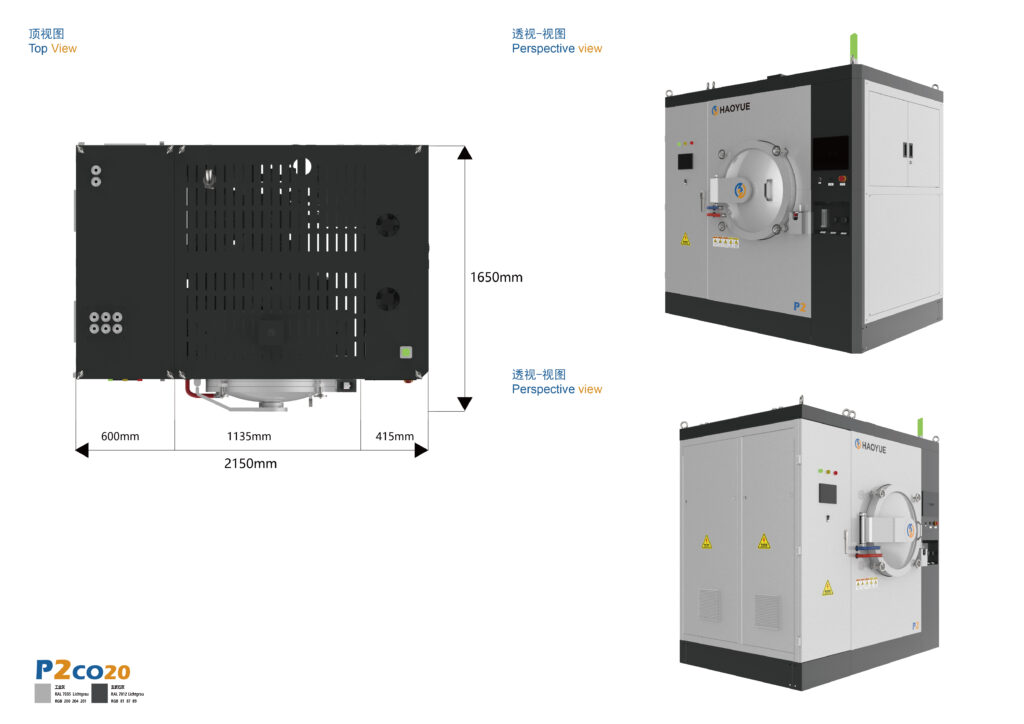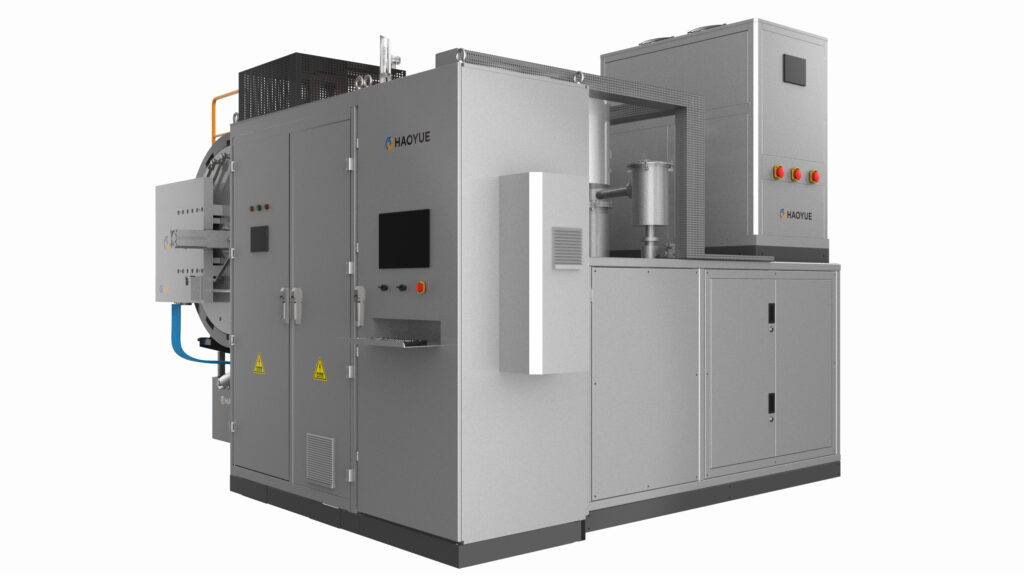






In the high-precision world of advanced metallurgy and technical ceramics, selecting the right thermal processing equipment is a critical decision for engineers and procurement managers. Partnering with an established vacuum furnace manufacturer ensures access to controlled environments that eliminate oxidation and contamination. When evaluating thermal solutions, understanding the fundamental differences of a vacuum furnace vs atmosphere furnace is essential; vacuum environments offer unparalleled purity and temperature uniformity that atmospheric alternatives simply cannot match. By optimizing the vacuum sintering process, manufacturers can achieve near-theoretical density and superior mechanical properties in advanced materials.
For specialized material production, collaborating with a dedicated vacuum sintering furnace manufacturer is key to mastering complex thermal cycles. Different materials require highly tailored thermal profiles; for instance, the high-temperature demands of silicon carbide sintering require robust chamber designs, while the precise phase transformations in the zirconia sintering process and the alumina sintering process ensure structural integrity for dental and structural ceramics. Furthermore, heavy industrial applications rely on precise tungsten carbide sintering and molybdenum sintering to fabricate wear-resistant tooling and high-temperature components with optimized microstructures.
As manufacturing demands push the limits of material science, advanced consolidation techniques have emerged. Engineers often evaluate SPS vs hot pressing to determine the most efficient densification method. Working with a leading SPS furnace manufacturer allows rapid spark plasma sintering, whereas a certified hot pressing furnace manufacturer provides steady uniaxial pressure at elevated temperatures. For extreme densification, comparing HIP vs vacuum sintering reveals how Hot Isostatic Pressing removes internal microporosity, leading many to source equipment from a top-tier HIP manufacturer. Additionally, understanding vacuum sintering vs pressure sintering helps determine if a gas pressure sintering furnace is necessary to suppress thermal dissociation during the consolidation of silicon nitride and other advanced ceramics.
Beyond sintering, thermal modification of metal parts requires precise control. A premier vacuum heat treatment furnace manufacturer designs systems capable of executing a flawless vacuum annealing process to relieve internal stresses, or a rapid vacuum hardening process to maximize wear resistance. For joining critical assemblies, consulting a vacuum brazing furnace manufacturer helps transition operations from traditional methods, showcasing the clear benefits of vacuum brazing vs conventional brazing. Utilizing a precise vacuum brazing process eliminates the need for corrosive fluxes, resulting in clean, high-strength joints. Depending on the operating temperature and chemical compatibility, choosing between a graphite furnace vs molybdenum furnace is a critical engineering decision, often solved by implementing a specialized vacuum hydrogen furnace for reduction and ultra-clean heat treatment of refractory metals.
Modern high-tech sectors rely heavily on these specialized thermal systems. In aviation, the strict standards of prime contractors mandate the use of a certified aerospace vacuum furnace and aerospace heat treatment furnace to perform critical operations like titanium alloy heat treatment. The medical sector utilizes a specialized medical implant sintering furnace and dental implant vacuum furnace to ensure the biocompatibility and strength of orthopedic and dental prosthetics. In electronics, a high-purity semiconductor vacuum furnace is vital for wafer processing and packaging, while the green energy revolution utilizes a battery material sintering furnace to synthesize high-capacity electrode powders. Finally, the tooling industry depends on a robust carbide tool sintering furnace to manufacture high-durability cutting inserts.
In conclusion, selecting the right thermal processing setup requires deep technical alignment between your material requirements and equipment capabilities. Whether you are optimizing a sintering cycle or configuring a heat treatment line, choosing the right industrial thermal partner ensures long-term operational success, energy efficiency, and unmatched product quality.