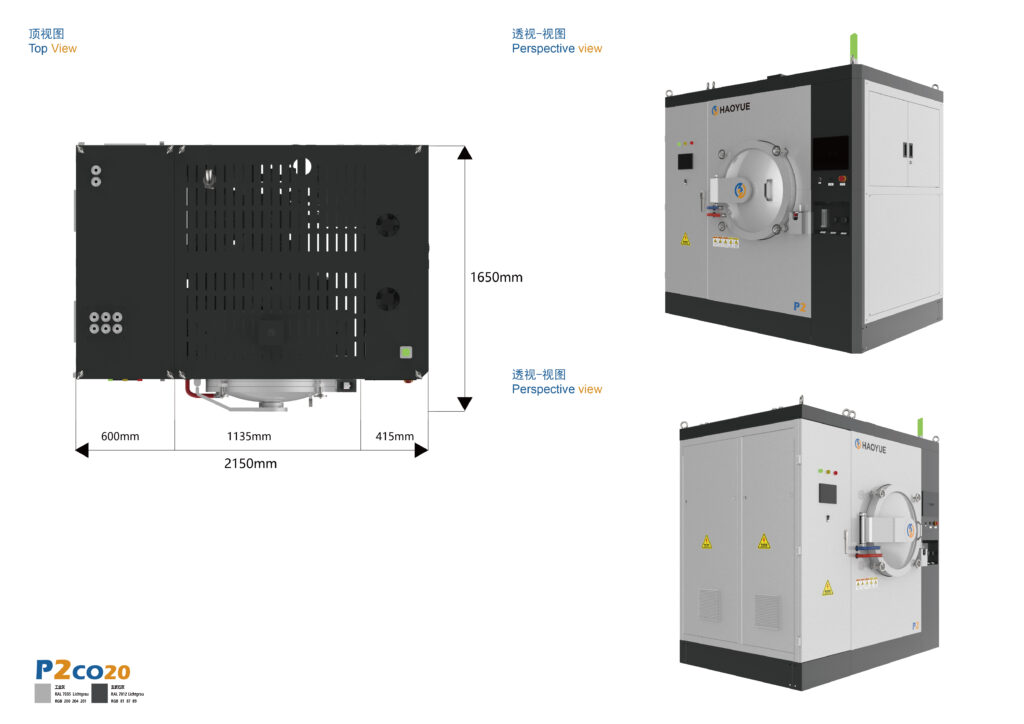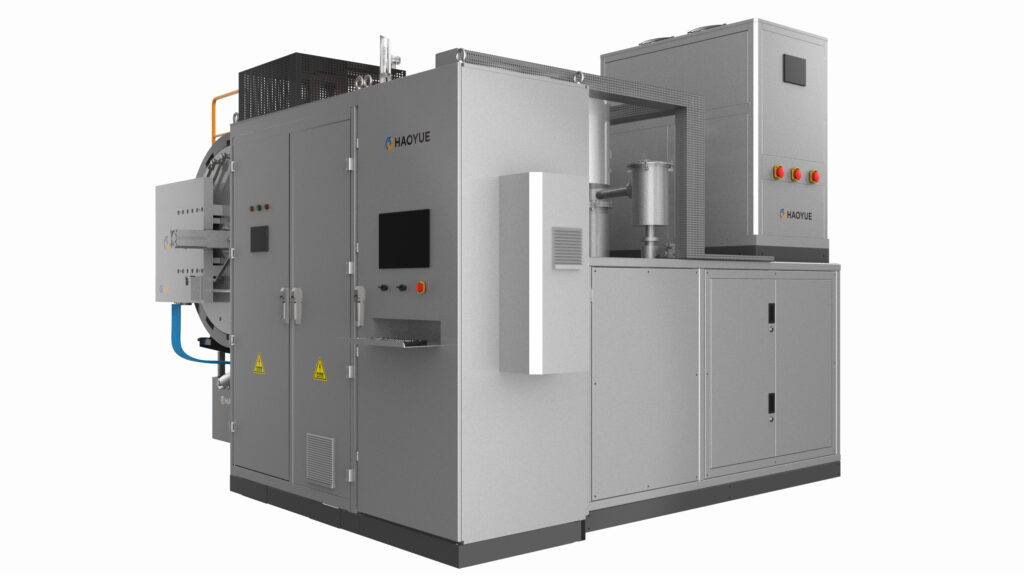






In the high-precision world of modern metallurgy and advanced materials science, selecting the right thermal processing technology is critical for achieving optimal mechanical properties. For engineering departments and procurement specialists, partnering with an experienced vacuum furnace manufacturer is the first step toward securing reliable thermal performance. When evaluating heating environments, the choice of vacuum furnace vs atmosphere furnace often arises; while atmosphere furnaces introduce protective gases, vacuum environments eliminate oxidation and contamination entirely, making the vacuum sintering process indispensable for high-purity applications.
Advanced Sintering Technologies: SPS, Hot Pressing, and HIP
To achieve ultra-high density in advanced ceramics and powder metals, manufacturers often compare specialized compaction and heating methods. Analyzing SPS vs hot pressing reveals that Spark Plasma Sintering (SPS) utilizes pulsed direct current to achieve rapid densification at lower temperatures, prompting many to consult a dedicated SPS furnace manufacturer. Conversely, traditional hot pressing relies on simultaneous uniaxial pressure and resistance heating, requiring a robust system from a certified hot pressing furnace manufacturer. For post-sintering elimination of internal porosity, engineers evaluate HIP vs vacuum sintering. Hot Isostatic Pressing (HIP), sourced from a leading HIP manufacturer, applies high-pressure inert gas to compress internal voids, whereas standard vacuum sintering relies on thermal diffusion alone. In many high-performance workflows, a gas pressure sintering furnace is utilized to bridge the gap, offering a balance in the debate of vacuum sintering vs pressure sintering.
Tailoring Thermal Processes to Advanced Materials
Different materials demand precise thermal profiles and specialized atmospheres. For instance, structural ceramics like silicon carbide sintering require temperatures exceeding 2000°C in specialized furnaces. Biocompatible materials rely heavily on a precise zirconia sintering process or an alumina sintering process to ensure maximum density and aesthetic translucency. In the tooling industry, tungsten carbide sintering demands precise carbon control, while refractory metals undergo intense molybdenum sintering cycles to prevent brittle phase transitions. To achieve these extreme temperatures, engineers must weigh the benefits of a graphite furnace vs molybdenum furnace; graphite hot zones offer cost-effective, high-temperature performance for carbon-tolerant materials, whereas molybdenum hot zones provide the ultra-clean, carbon-free environment necessary for sensitive alloys.
Industry-Specific Thermal Solutions
Industrial thermal processing is highly segmented by application. In high-stakes sectors, an aerospace vacuum furnace or a specialized aerospace heat treatment furnace is mandatory to meet strict Nadcap standards. Medical manufacturing relies on a dedicated medical implant sintering furnace to produce orthopedic joints, while dental laboratories utilize a compact dental implant vacuum furnace for restorative prosthetics. The electronics sector utilizes a high-purity semiconductor vacuum furnace for wafer processing and sensor packaging. Additionally, the green energy transition has driven demand for a specialized battery material sintering furnace to synthesize advanced anode and cathode powders, while the manufacturing sector relies on a carbide tool sintering furnace to produce high-wear cutting inserts.
Precision Heat Treatment and Joining Processes
Beyond sintering, vacuum systems are vital for joining and surface modification. Working with a qualified vacuum heat treatment furnace manufacturer allows facilities to execute precise titanium alloy heat treatment, ensuring high strength-to-weight ratios for critical components. For thermal cycles requiring controlled reducing atmospheres, a vacuum hydrogen furnace is employed to remove surface oxides. This is particularly crucial for the vacuum annealing process and the vacuum hardening process, both of which optimize grain structures without decarburization. For component assembly, a vacuum brazing furnace manufacturer can supply systems designed for high-integrity joints. Utilizing a vacuum brazing process eliminates the need for corrosive fluxes, showcasing the clear advantages of vacuum brazing vs conventional brazing in terms of joint strength, cleanliness, and leak tightness.
Ultimately, selecting the correct thermal processing setup requires deep technical alignment between your material requirements and equipment capabilities. By collaborating with a premier vacuum sintering furnace manufacturer, industrial operators can customize hot zones, gas cooling systems, and control interfaces to match their exact production demands, ensuring long-term operational efficiency and superior product quality.