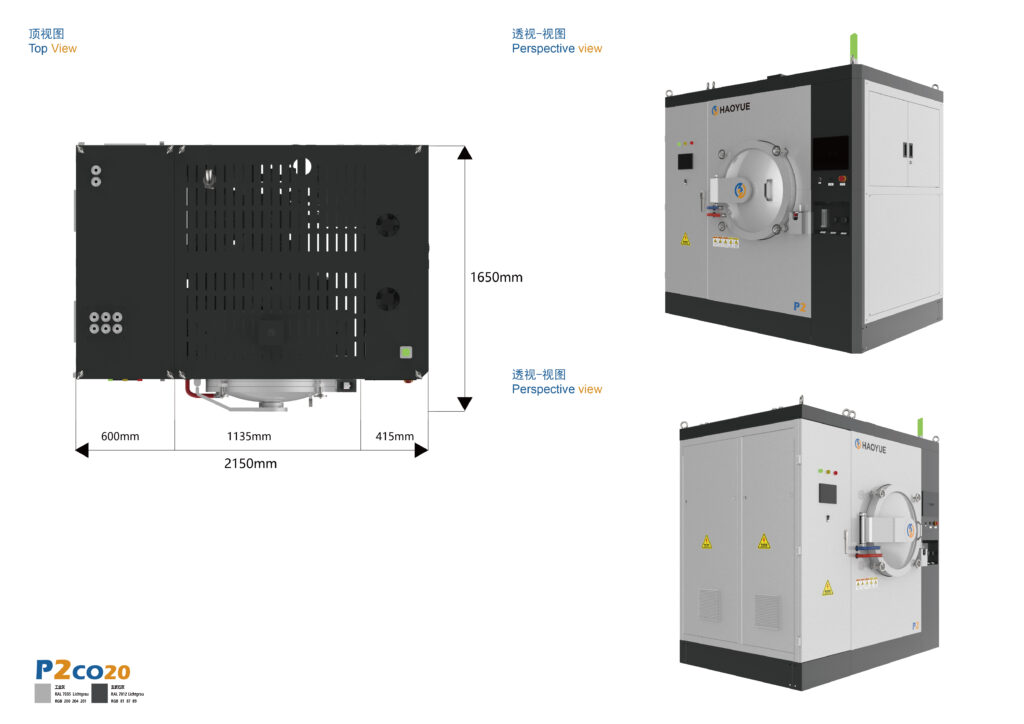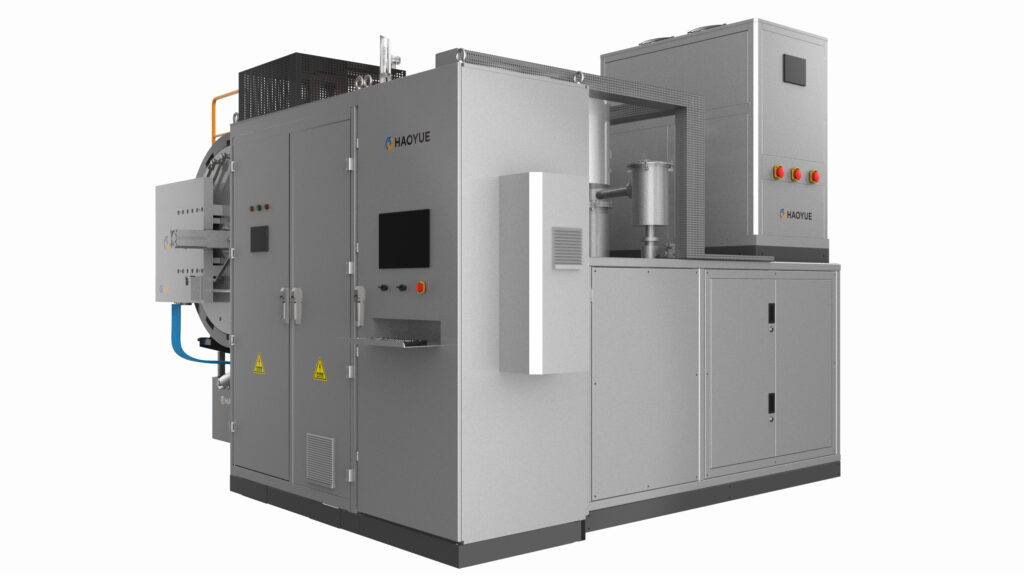






In modern industrial manufacturing, achieving precise material properties requires advanced thermal processing solutions. Selecting the right equipment and methodologies is critical for engineering high-performance components. As a leading vacuum furnace manufacturer, we understand that choosing between a vacuum furnace vs atmosphere furnace can define the success of your production line. While atmosphere furnaces introduce specific gases at ambient pressures, the vacuum sintering process eliminates contaminants, prevents oxidation, and ensures superior density and purity in critical applications, such as those processed in an aerospace vacuum furnace.
When dealing with advanced ceramics and powder metallurgy, selecting the correct consolidation method is vital. For instance, comparing SPS vs hot pressing reveals that Spark Plasma Sintering offers significantly faster heating rates and cycle times than traditional hot pressing, making the choice of a qualified SPS furnace manufacturer or hot pressing furnace manufacturer a key strategic decision. For extreme density requirements, comparing HIP vs vacuum sintering (Hot Isostatic Pressing) shows that HIP achieves near-theoretical density by applying isostatic gas pressure. Consulting an experienced HIP manufacturer is essential when choosing between standard vacuum sintering vs pressure sintering for demanding materials like silicon carbide sintering and tungsten carbide sintering, which are commonly processed in a specialized carbide tool sintering furnace.
Different materials demand unique thermal environments. For bioceramics and electronics, technologies like the zirconia sintering process and alumina sintering process require precise temperature profiles. These are often executed in a dental implant vacuum furnace or a medical implant sintering furnace to guarantee biocompatibility. For energy storage and microelectronics, utilizing a battery material sintering furnace or a high-purity semiconductor vacuum furnace is crucial to prevent contamination. Furthermore, high-temperature applications like molybdenum sintering require careful consideration of heating elements, prompting engineers to evaluate a graphite furnace vs molybdenum furnace depending on carbon-sensitivity requirements.
Beyond sintering, thermal post-processing is vital for structural integrity. Partnering with an established vacuum heat treatment furnace manufacturer allows industries to implement precise vacuum annealing process and vacuum hardening process protocols. For instance, titanium alloy heat treatment in an aerospace heat treatment furnace requires ultra-clean vacuums to avoid hydrogen embrittlement, occasionally utilizing a specialized vacuum hydrogen furnace for specific reducing atmospheres. Additionally, joining complex assemblies often relies on a vacuum brazing furnace manufacturer to facilitate the vacuum brazing process. Comparing vacuum brazing vs conventional brazing highlights the superior joint strength and lack of flux residue offered by vacuum environments. For components requiring simultaneous sintering and overpressure consolidation, a gas pressure sintering furnace provides the ultimate solution.
In conclusion, navigating the complexities of modern thermal processing requires a deep understanding of metallurgy, thermodynamics, and equipment design. Whether your operations demand advanced sintering, hardening, or brazing, partnering with a trusted vacuum sintering furnace manufacturer ensures your facility is equipped with the precise technology needed to achieve unparalleled material performance and operational efficiency.