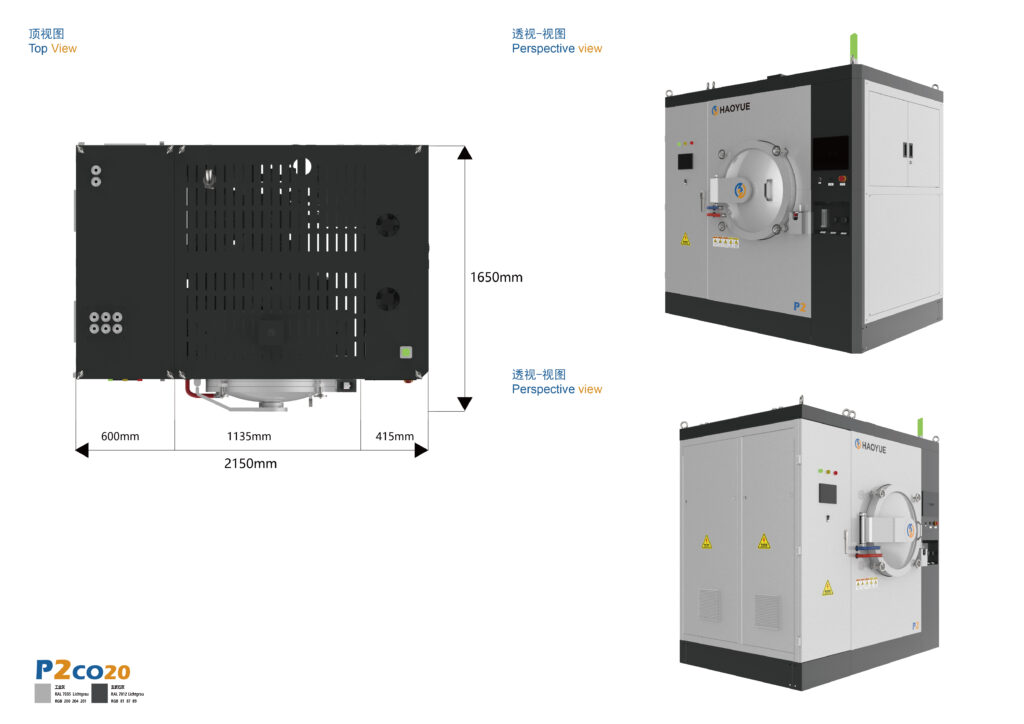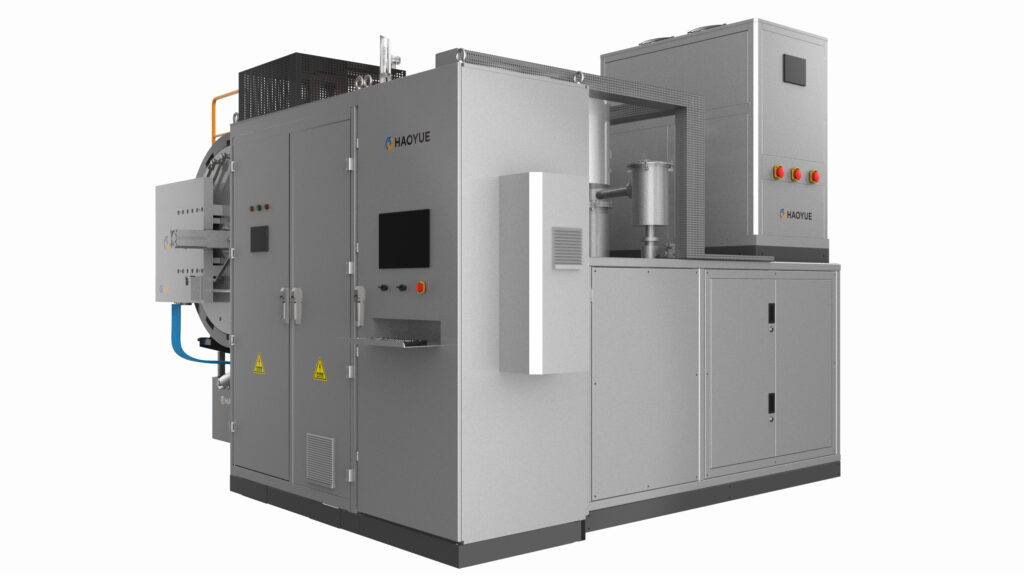






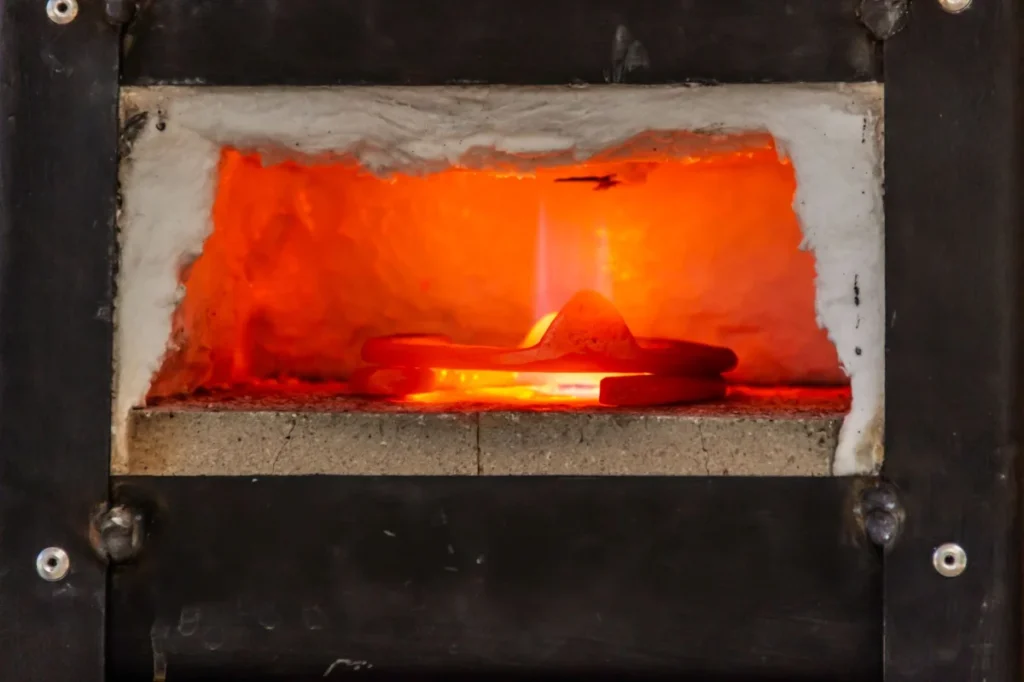
The rapid advancement of metallurgy and advanced ceramics demands precise thermal processing solutions. For engineering procurement teams, selecting the right vacuum furnace manufacturer is critical to achieving precise material properties. Modern manufacturing relies heavily on controlled environments to prevent oxidation and contamination, making the choice of a vacuum furnace vs atmosphere furnace a fundamental decision for quality assurance. Whether executing complex silicon carbide sintering or high-temperature molybdenum sintering, industrial operators must understand how different thermal profiles and chamber designs impact final mechanical properties.
When evaluating high-density consolidation methods, engineers often compare advanced techniques like SPS vs hot pressing to optimize throughput and grain size. Spark Plasma Sintering (SPS) offers rapid heating rates, making a specialized SPS furnace manufacturer a valuable partner for preparing nanostructured materials. In contrast, a hot pressing furnace manufacturer provides systems ideal for uniaxial pressure application during long hold cycles. For extreme density requirements, comparing HIP vs vacuum sintering is essential; Hot Isostatic Pressing (HIP) utilizes high-pressure inert gas to eliminate internal porosity. Working with an experienced HIP manufacturer ensures compliance with rigorous aerospace standards. Furthermore, when dealing with volatile materials, understanding vacuum sintering vs pressure sintering helps determine if a gas pressure sintering furnace is required to suppress thermal decomposition.
The choice of heating elements also dictates operational limits, particularly when analyzing a graphite furnace vs molybdenum furnace for high-temperature runs. Graphite systems offer robust performance in carbon-tolerant environments, whereas molybdenum zones are critical for cleanroom-standard processes like the zirconia sintering process and alumina sintering process runs. For hard metals, a specialized carbide tool sintering furnace is necessary to execute precise tungsten carbide sintering cycles with paraffin dewaxing capabilities. Additionally, for specialized metallurgical reduction and sintering, a vacuum hydrogen furnace provides a highly reducing atmosphere to eliminate oxides.
In the assembly of complex multi-component systems, the decision of vacuum brazing vs conventional brazing significantly affects joint strength and cleanliness. Utilizing a vacuum brazing process eliminates the need for corrosive fluxes, which is why sourcing from a reliable vacuum brazing furnace manufacturer is standard practice in high-tech sectors. For structural components, post-processing often involves a vacuum annealing process to relieve residual stresses, followed by a vacuum hardening process to achieve targeted wear resistance. For instance, critical components require precise titanium alloy heat treatment parameters to avoid alpha-case formation, necessitating a highly controlled vacuum heat treatment furnace manufacturer setup.
These advanced thermal systems serve diverse, high-value sectors. In aviation, an aerospace vacuum furnace or a specialized aerospace heat treatment furnace is indispensable for certifying turbine blades and structural fasteners. In the medical field, a specialized medical implant sintering furnace ensures the biocompatibility of orthopedic devices, while a compact dental implant vacuum furnace provides precise dental ceramics processing. The energy sector relies on a battery material sintering furnace to synthesize high-performance anode and cathode powders. Meanwhile, the microelectronics industry utilizes a high-purity semiconductor vacuum furnace to process wafers and package delicate MEMS devices under ultra-clean, high-vacuum conditions. Partnering with a leading vacuum sintering furnace manufacturer ensures that the critical vacuum sintering process is executed with reliable, repeatable, and energy-efficient thermal technology.