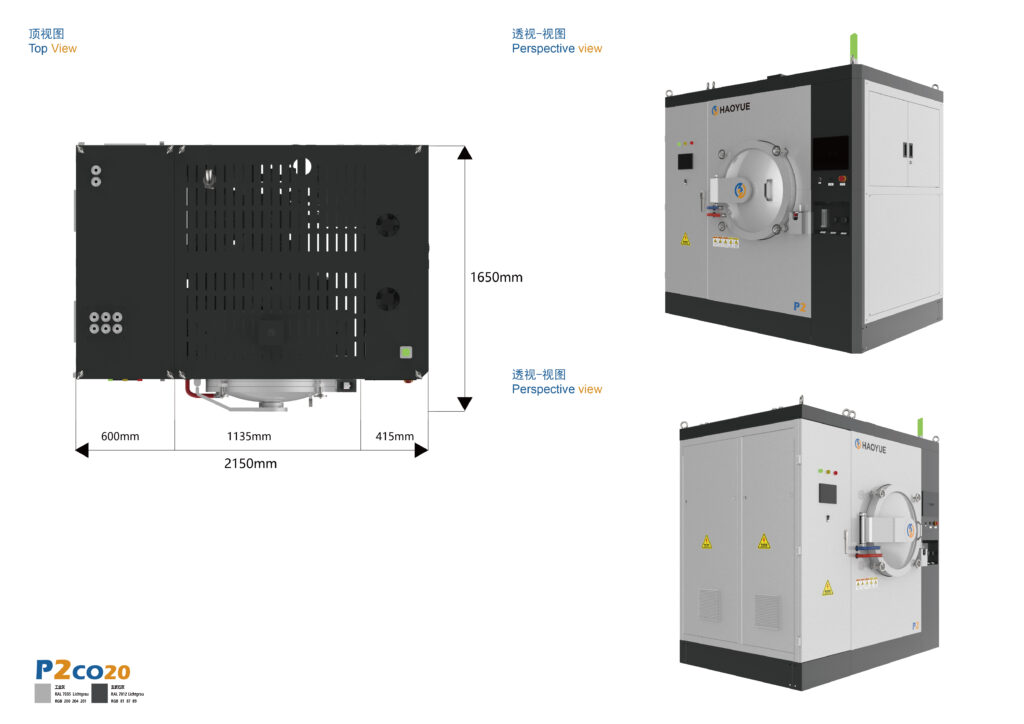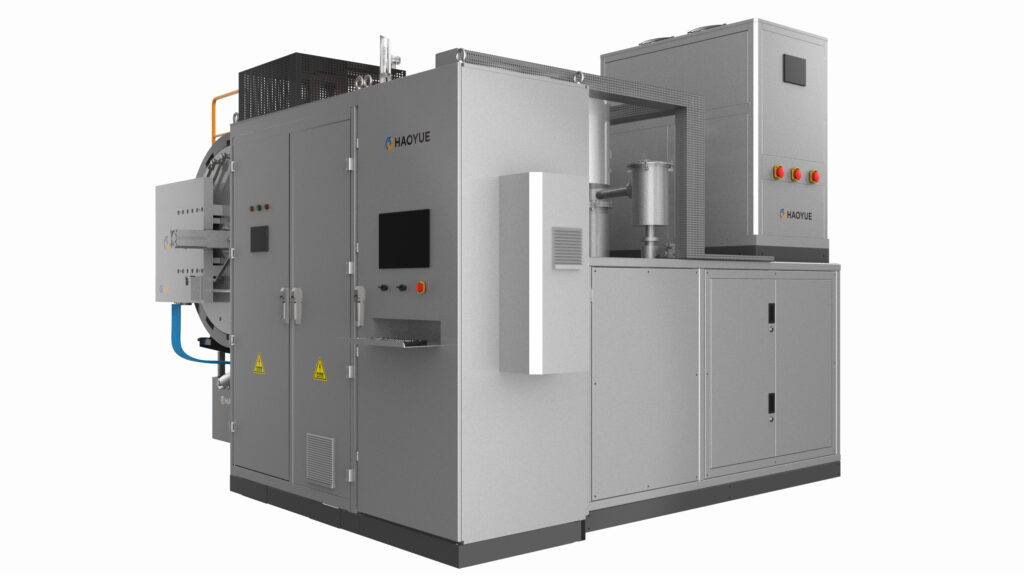






In the rapidly evolving landscape of advanced metallurgy, technical ceramics, and semiconductor manufacturing, selecting the right thermal processing equipment is a critical decision for engineers and procurement specialists. Partnering with an experienced vacuum furnace manufacturer or a specialized vacuum sintering furnace manufacturer ensures that your facility can meet stringent metallurgical standards. High-performance thermal processing relies on precise atmosphere control, temperature uniformity, and rapid cooling capabilities to achieve optimal material properties across various industrial applications.
When evaluating sintering technologies, understanding the specific material requirements is paramount. For instance, the silicon carbide sintering process requires extremely high temperatures and precise atmosphere control, often achieved in specialized systems. Similarly, the zirconia sintering process and alumina sintering process are vital for producing high-density technical ceramics used in medical and dental applications. For heavy-duty industrial wear parts, tungsten carbide sintering and high-temperature molybdenum sintering demand robust thermal profiles to prevent oxidation and ensure structural integrity. To achieve these extreme conditions, manufacturers often rely on a vacuum hydrogen furnace or a gas pressure sintering furnace depending on the specific thermodynamic properties of the materials involved.
Engineers often face complex decisions when comparing competing thermal technologies. A primary example is analyzing SPS vs hot pressing (Spark Plasma Sintering vs Hot Pressing). While a leading SPS furnace manufacturer can offer rapid consolidation times, a traditional hot pressing furnace manufacturer might provide a more cost-effective solution for larger, simpler geometries. Furthermore, when high density is paramount, comparing HIP vs vacuum sintering (Hot Isostatic Pressing) helps determine whether the added pressure of a system from a certified HIP manufacturer is necessary to eliminate residual porosity. Additionally, understanding the nuances of vacuum sintering vs pressure sintering, as well as vacuum furnace vs atmosphere furnace operations, is crucial for selecting the right environment. Even the choice of heating elements, such as a graphite furnace vs molybdenum furnace, can dramatically impact the purity and thermal efficiency of your process.
Beyond sintering, advanced thermal processing encompasses joining and surface modification. Implementing a precise vacuum brazing process offers significant advantages when analyzing vacuum brazing vs conventional brazing, particularly in terms of joint strength, cleanliness, and the elimination of flux residues. For high-value components, partnering with an established vacuum brazing furnace manufacturer is essential. Furthermore, processes such as the vacuum annealing process and vacuum hardening process are critical for stress relief and hardening of specialized alloys. For example, titanium alloy heat treatment requires strict vacuum levels to prevent embrittlement, making the choice of a high-quality vacuum heat treatment furnace manufacturer a vital step in the supply chain.
Different industries require highly tailored thermal solutions to meet strict regulatory and performance standards. In the aviation sector, utilizing an aerospace vacuum furnace and an aerospace heat treatment furnace is mandatory for critical turbine components. In healthcare, a specialized medical implant sintering furnace or a compact dental implant vacuum furnace ensures biocompatibility and high strength for joint replacements and dental crowns. The electronics sector heavily relies on a high-purity semiconductor vacuum furnace for wafer processing, while the energy sector utilizes a specialized battery material sintering furnace to synthesize advanced anode and cathode powders. Finally, tool manufacturers depend on a high-throughput carbide tool sintering furnace to produce durable cutting and drilling inserts.
In conclusion, choosing the right thermal processing setup requires a deep understanding of material science, equipment capabilities, and industry-specific certifications. Whether you need to implement a complex vacuum sintering process or require high-throughput heat treatment, collaborating with a premier manufacturer ensures your operations remain competitive, efficient, and capable of producing world-class components.