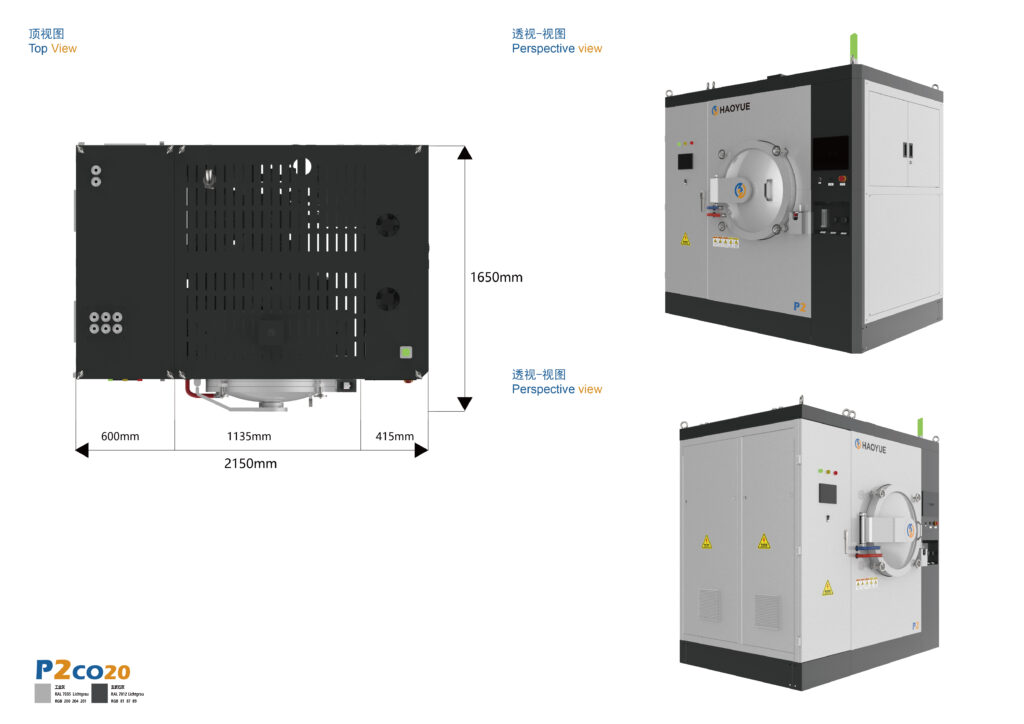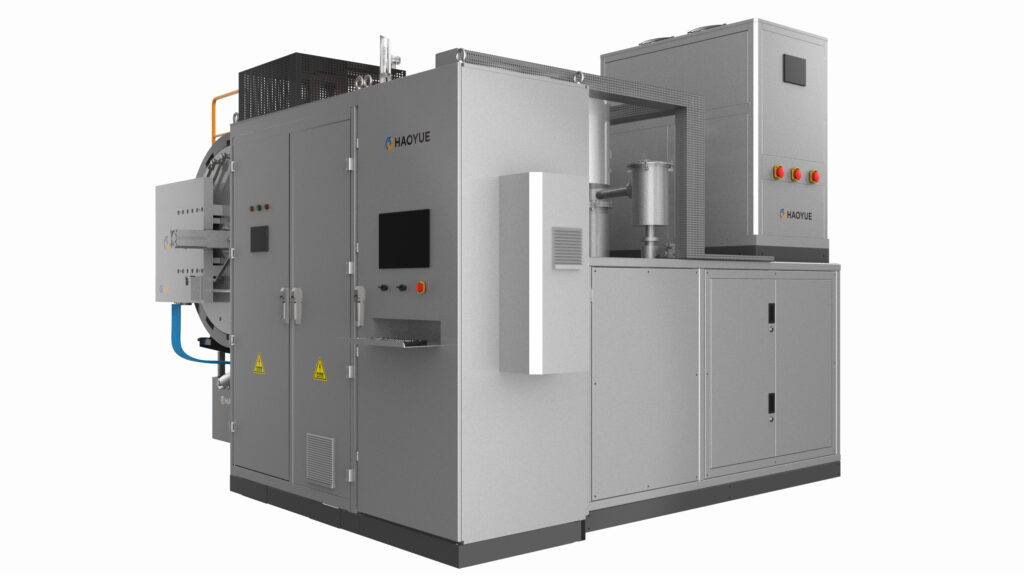







In the rapidly evolving landscape of advanced metallurgy and technical ceramics, achieving precise thermal control is paramount for producing high-performance components. For industrial buyers and thermal engineers, selecting the right equipment requires a deep understanding of thermal dynamics and material science. When comparing a vacuum furnace vs atmosphere furnace, the vacuum option consistently delivers superior surface finishes and eliminates oxidation risks. To achieve these results, partnering with an experienced vacuum furnace manufacturer is essential to customize thermal profiles for specific metallurgical needs.
For advanced powder metallurgy, the choice of consolidation technology directly impacts the mechanical properties of the final product. Understanding the nuances of SPS vs hot pressing (Spark Plasma Sintering vs Hot Pressing) helps engineers choose the right speed and pressure parameters. As an industry-leading SPS furnace manufacturer, we design systems that accelerate densification, while our role as a hot pressing furnace manufacturer allows us to provide robust solutions for diffusion bonding and uniaxial compaction. These technologies are vital for high-performance ceramics, where achieving high density in silicon carbide sintering requires extreme temperatures, and optimizing the alumina sintering process ensures maximum wear resistance and mechanical integrity.
For ultra-high-density applications, comparing HIP vs vacuum sintering (Hot Isostatic Pressing vs Vacuum Sintering) is standard practice. While the vacuum sintering process is highly efficient for batch production, working with a certified HIP manufacturer ensures the elimination of micro-voids in critical components. Additionally, evaluating vacuum sintering vs pressure sintering is crucial when determining the optimal yield strength for advanced ceramics. For instance, the zirconia sintering process is critical for dental restoration, requiring precise atmosphere control. Similarly, tungsten carbide sintering and high-temperature molybdenum sintering rely on a specialized gas pressure sintering furnace or a vacuum hydrogen furnace to prevent decarburization and achieve theoretical density.
When selecting the hot zone materials for these extreme environments, deciding between a graphite furnace vs molybdenum furnace depends on the chemical compatibility of the processed materials and the required cleanliness levels. For joining complex assemblies, the benefits of vacuum brazing vs conventional brazing include flux-free, clean joints with minimal distortion. Consulting a specialized vacuum brazing furnace manufacturer is the first step to implementing a reliable vacuum brazing process. Furthermore, a leading vacuum heat treatment furnace manufacturer can provide systems capable of executing the vacuum annealing process to relieve internal stresses, as well as the vacuum hardening process to achieve optimal wear resistance.
These thermal processing innovations are critical across diverse industrial sectors. In the aerospace sector, utilizing an aerospace vacuum furnace for turbine blades and critical structural components demands a high-performance aerospace heat treatment furnace that complies with AMS2750 standards. This is especially essential for precise titanium alloy heat treatment cycles. In the medical field, orthopedic devices are processed using a specialized medical implant sintering furnace, while dental prosthetics are refined in a dedicated dental implant vacuum furnace. Additionally, the electronics industry relies heavily on the integration of a semiconductor vacuum furnace in cleanroom manufacturing, while energy storage production depends on a robust battery material sintering furnace. For cutting tool production, optimizing the parameters engineered for a carbide tool sintering furnace ensures maximum tool life and toughness. Ultimately, working with a dedicated vacuum sintering furnace manufacturer ensures your facility is equipped with the precise thermal processing technology required for next-generation manufacturing.