





Industrial processes often grapple with the challenge of maintaining consistent part quality, especially in applications demanding high precision and cleanliness. In sectors such as aerospace, medical, and precision manufacturing, issues like oxidation and contamination during brazing can lead to significant compliance risks, affecting standards like Nadcap, ISO, and FDA regulations. These challenges highlight the critical need for advanced solutions in vacuum heat treatment and joining processes.
Understanding Vacuum Brazing and Its Industrial Relevance
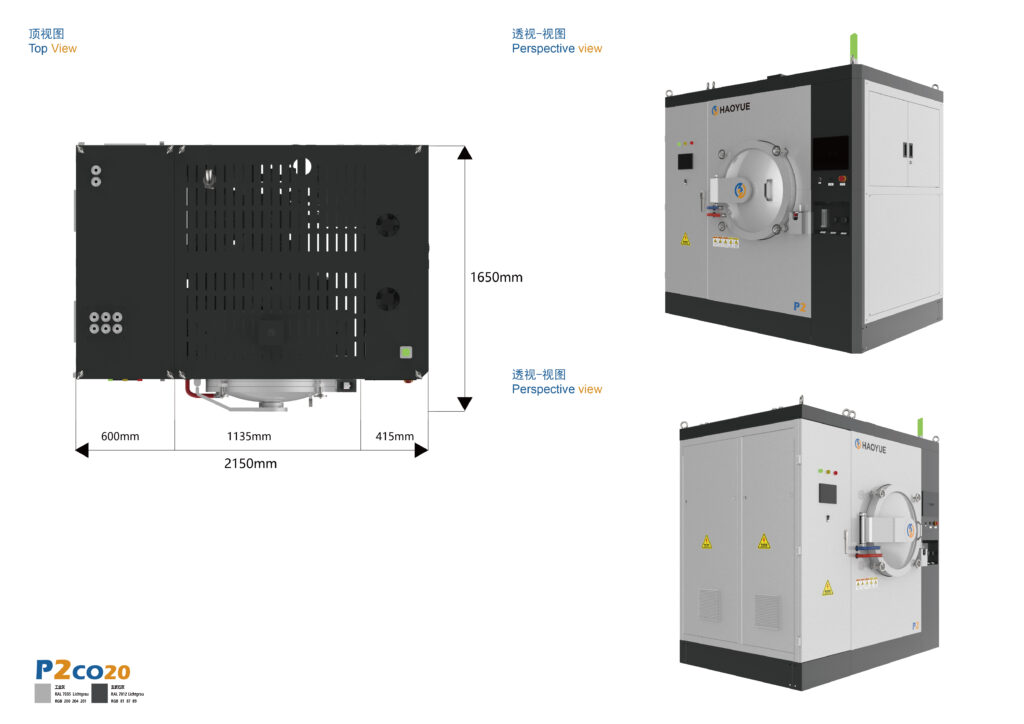
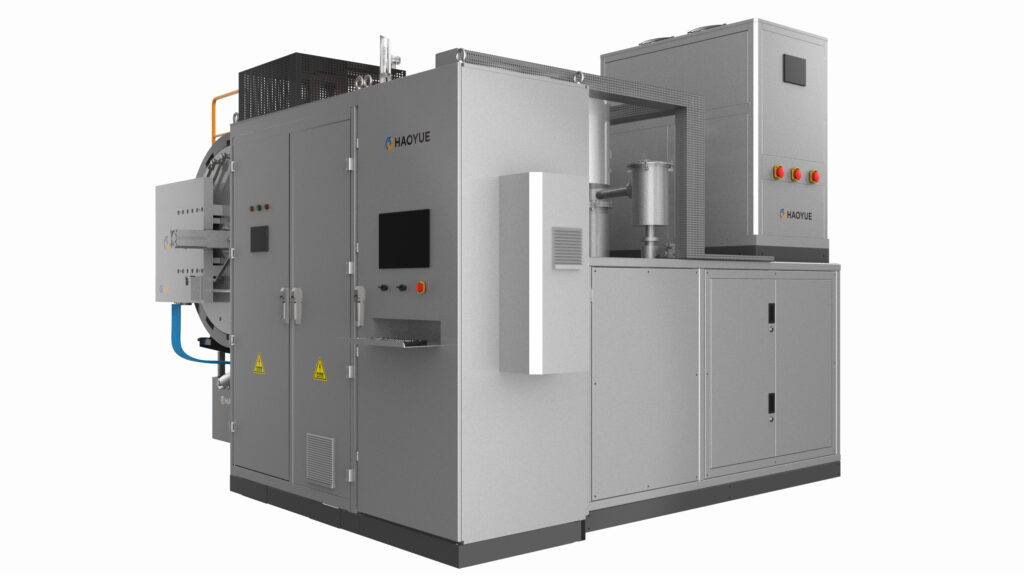
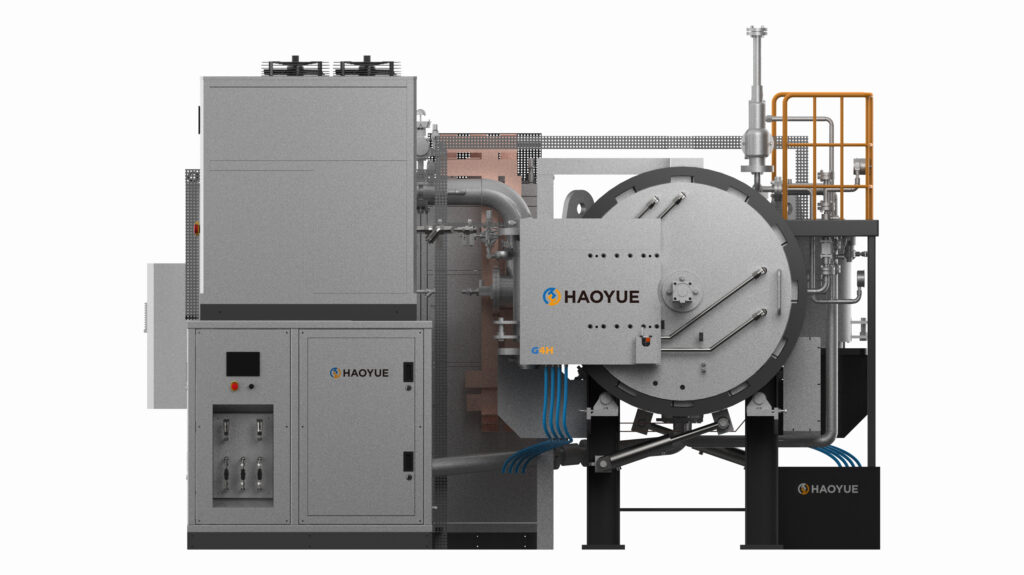
Vacuum brazing is a high-precision joining method that eliminates the presence of oxygen, preventing oxidation and ensuring clean, strong joints. This technique is pivotal in industries where joint integrity and cleanliness are paramount. By using a vacuum sintering furnace, the process achieves high-temperature uniformity, crucial for applications in powder metallurgy and aerospace.
Real-World Applications
In the aerospace industry, components must withstand extreme conditions, making vacuum brazing indispensable for manufacturing turbine blades and structural parts. Similarly, medical device production benefits from the contamination-free environment vacuum technology provides, ensuring compliance with FDA and ISO 13485 standards.
Key Advantages of Vacuum Technology in Joining Processes
Vacuum brazing offers several benefits that address common production challenges:
- Temperature Control: Achieves ±1°C uniformity, ensuring consistency across batches.
- Vacuum Levels: Reaches up to 10⁻⁶ mbar, essential for preventing oxidation.
- Cycle Repeatability: Provides automated and repeatable batch consistency, enhancing production efficiency.
These features directly contribute to improved product quality, higher yield rates, and cost efficiency.
Compliance and Standards in Vacuum Brazing
Adherence to industry standards is critical. In aerospace, Nadcap and AMS standards dictate stringent requirements for material properties and joint integrity. Vacuum brazing supports compliance by providing controlled atmosphere sintering and diffusion bonding, reducing the risk of deviations.
For the medical sector, meeting ISO 13485 ensures that devices are consistently produced and controlled according to quality standards. Vacuum furnace solutions play a pivotal role in achieving these compliance goals through precise process control.
Enhancing Process Stability and Product Quality
Modern vacuum furnace technology has revolutionized the way industries approach high-precision joining. By ensuring process stability and reducing variability, these furnaces boost product quality and operational efficiency. The result is a reliable, scalable solution that meets the rigorous demands of industries reliant on high-precision parts.
For custom sintering solutions tailored to your production needs, reach out to our engineering team to discuss your project requirements.
Related Products & Services
- Vacuum Sintering Furnace – Advanced sintering solutions from HaoYue Group.
- Vacuum Brazing Process Guide
- Vacuum Heat Treatment Process Guide
Looking for high-quality vacuum furnace solutions? Contact HaoYue Group today.
Related Products & Services
- Vacuum Sintering Furnace – Advanced sintering solutions from HaoYue Group.
- Vacuum Brazing Process Guide
- Vacuum Heat Treatment Process Guide
Looking for high-quality vacuum furnace solutions? Contact HaoYue Group for more information.