






Graphite vs Molybdenum Heating Elements in Vacuum Sintering Furnaces: Which One Should You Choose?
When selecting a vacuum sintering furnace, one of the most critical decisions is the heating element material. The two most common options are graphite and molybdenum (Mo). Each offers distinct advantages depending on your application, temperature requirements, and budget.
Graphite Heating Elements
Graphite heating elements are widely used in vacuum sintering furnaces due to their excellent high-temperature performance and cost-effectiveness. Graphite can operate at temperatures up to 3000°C in vacuum or inert atmospheres, making it ideal for high-temperature sintering of refractory metals and ceramics. It also offers superior thermal shock resistance and longer service life compared to metallic elements.
Molybdenum Heating Elements
Molybdenum heating elements provide exceptional purity and are preferred for applications requiring a clean, contamination-free environment. They are commonly used in MIM (Metal Injection Molding) sintering and high-purity ceramic processing. However, molybdenum becomes brittle after recrystallization and is more susceptible to oxidation, requiring strict vacuum or reducing atmosphere control.
Key Comparison
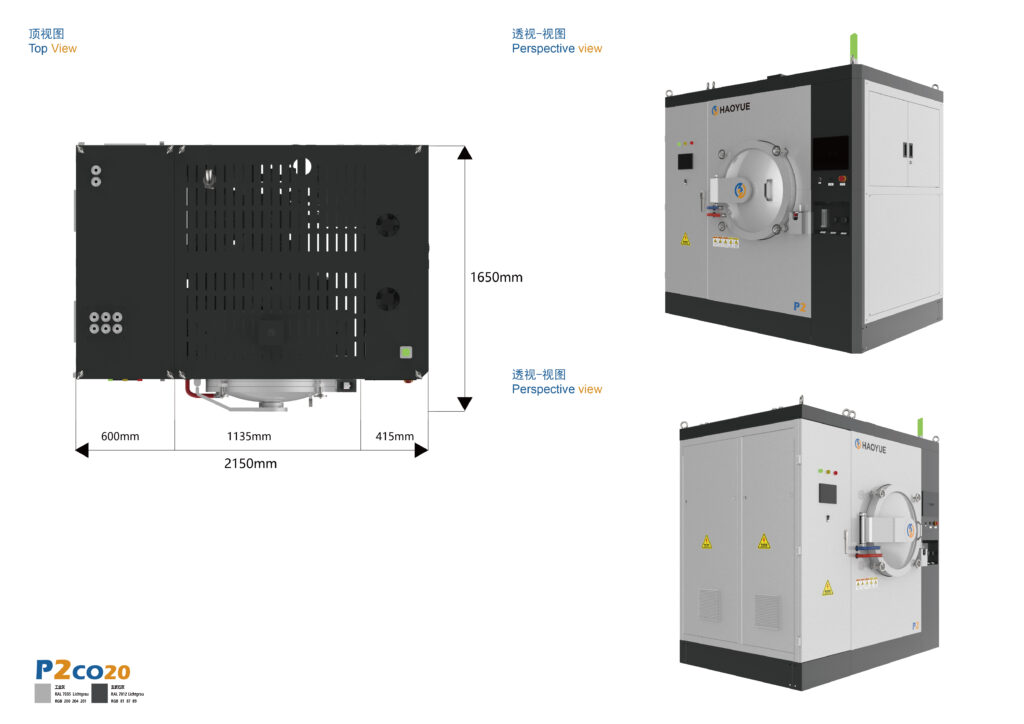
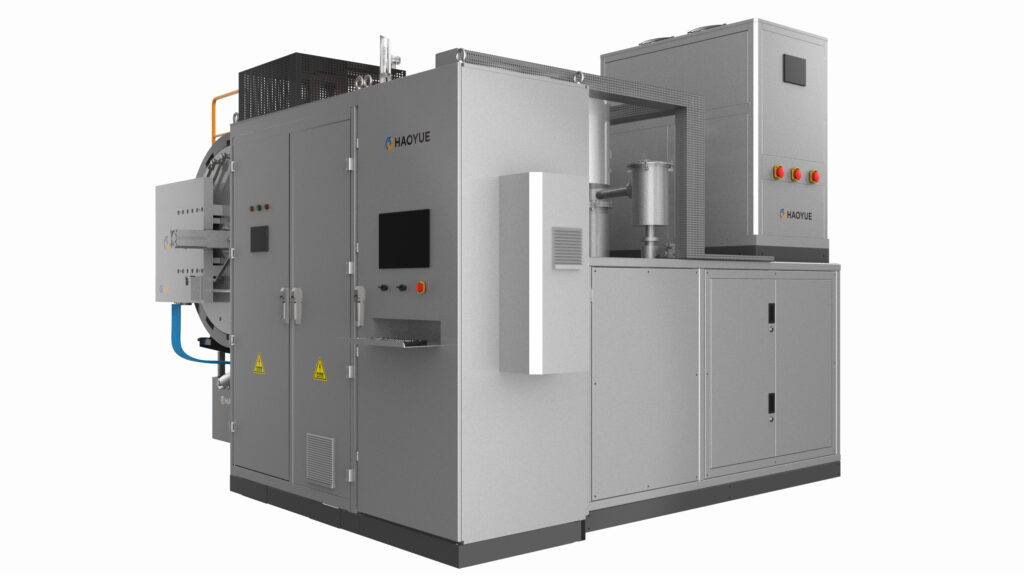
For most industrial vacuum sintering applications, graphite heating elements offer the best balance of performance, cost, and reliability. HAOYUE vacuum sintering furnaces are available with both heating element options, allowing you to configure the ideal setup for your specific material processing needs.
Contact HAOYUE today to discuss which heating element configuration is right for your production requirements.
Related Products & Services
- Vacuum Sintering Furnace – Advanced sintering solutions from HaoYue Group.
Looking for high-quality vacuum furnace solutions? Contact HaoYue Group for more information.
Related Products & Services
- Vacuum Sintering Furnace – Advanced sintering solutions from HaoYue Group.
Looking for high-quality vacuum furnace solutions? Contact HaoYue Group for more information.