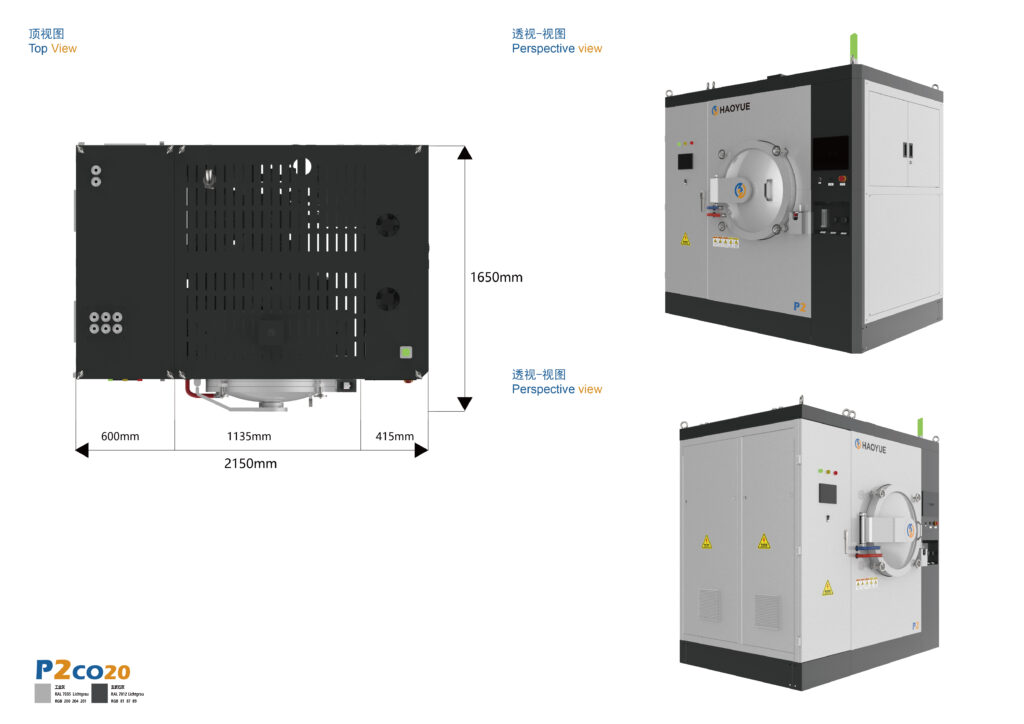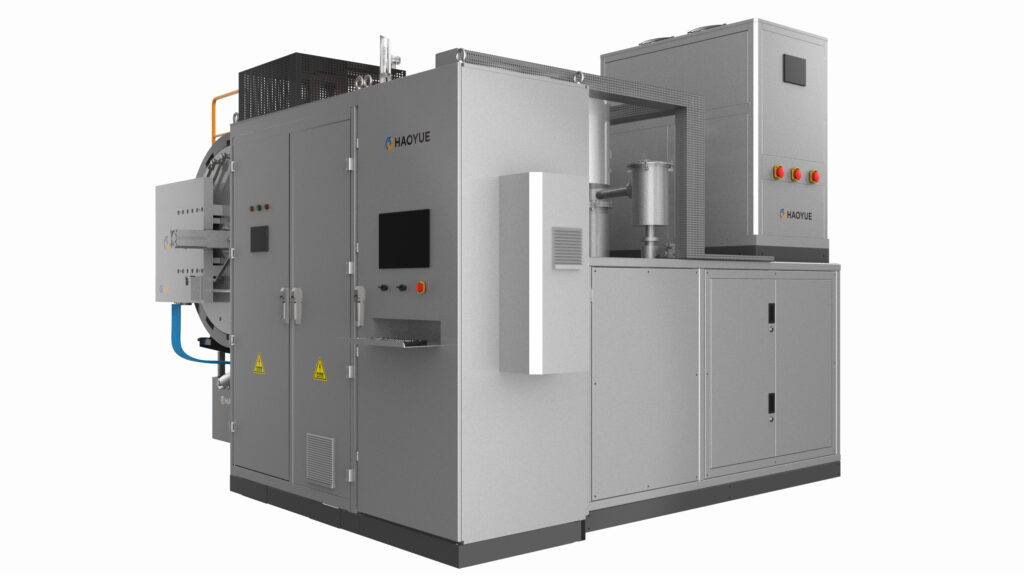







En la fabricación moderna de alta precisión, seleccionar el adecuado procesamiento térmico technology is critical for achieving superior material properties. As a leading fabricante de hornos de vacío, we understand that engineers often face the fundamental dilemma of a horno de vacío frente a horno atmosférico configuration when designing production lines. While atmosphere systems have their place, the sinterización al vacío proceso offers unparalleled control over purity, density, and microstructural integrity, making it the preferred choice for high-performance applications.
Evaluating Advanced Consolidation: SPS, Hot Pressing, and HIP
For materials requiring rapid densification or near-theoretical density, advanced consolidation techniques are mandatory. Partnering with an experienced Fabricante de hornos SPS allows facilities to leverage Spark Plasma Sintering, which utilizes pulsed direct current to achieve rapid heating. When comparing SPS frente a prensado en caliente, SPS drastically reduces cycle times and limits grain growth compared to traditional uniaxial hot pressing. However, if your application demands high uniaxial pressure at elevated temperatures over longer soak times, collaborating with a specialized fabricante de hornos de prensado en caliente ensures precise mechanical and thermal control.
For post-sintering densification of critical components, a fabricante de HIP can provide Hot Isostatic Pressing systems that eliminate internal porosity using high-pressure inert gas. Understanding the tradeoffs of Sinterización por prensado en caliente (HIP) frente a sinterización al vacío o sinterización al vacío frente a sinterización a presión is vital; while vacuum sintering is highly cost-effective for complex shapes, HIP introduces high-pressure gas to achieve 100% theoretical density in critical aerospace and medical components.
Tailored Thermal Profiles for Advanced Materials
Different materials demand distinct thermodynamic environments. For instance, sinterización de carburo de silicio requires extremely high temperatures often exceeding 2000°C, typically executed in specialized high-temperature vacuum systems. Conversely, oxide ceramics rely on a precise proceso de sinterización de zirconia o proceso de sinterización de alúmina to prevent discoloration and maintain structural phase stability.
In the tooling industry, a high-performance horno de sinterización de herramientas de carburo is essential for sinterización de carburo de tungsteno, where precise carbon control prevents embrittlement. Refractory metals also require specialized atmospheres, making sinterización de molibdeno a highly sensitive process that must avoid oxygen contamination entirely.
When configuring these systems, engineers must weigh the benefits of a horno de grafito frente a horno de molibdeno. Graphite hot zones offer excellent thermal uniformity and cost efficiency at extreme temperatures, whereas molybdenum hot zones are mandatory for cleanroom-standard processes where carbon contamination is unacceptable, such as in a horno de sinterización de material de batería or high-purity semiconductor applications.
Tecnologías de unión y tratamiento térmico de precisión
Beyond sintering, critical components must undergo precise surface and structural modifications. A reputable fabricante de hornos de tratamiento térmico al vacío provides systems capable of executing the proceso de recocido al vacío para aliviar las tensiones residuales y la proceso de endurecimiento al vacío to enhance wear resistance without surface oxidation. For reactive metals like titanium, specialized Tratamiento térmico de aleación de titanio cycles are conducted under deep vacuum to prevent hydrogen embrittlement and alpha-case formation.
For assembly, a fabricante de hornos de soldadura fuerte al vacío designs systems optimized for joining dissimilar metals. The proceso de soldadura fuerte al vacío offers significant advantages when comparing soldadura fuerte al vacío frente a soldadura fuerte convencional, as it eliminates the need for corrosive fluxes and produces exceptionally clean, leak-tight joints. For specialized reduction or sintering atmospheres, a horno de hidrógeno al vacío provides a controlled reducing environment, while a horno de sinterización a presión de gas combines vacuum heating with overpressure gas to suppress material decomposition at high temperatures.
Meeting Strict Standards Across High-Tech Industries
Industrial thermal processing must align with stringent industry-specific standards. In aerospace, where component failure is not an option, utilizing an NADCAP-compliant horno de vacío aeroespacial o horno de tratamiento térmico aeroespacial ensures absolute traceability and thermal uniformity.
The medical sector relies on specialized equipment like a horno de sinterización de implantes médicos to produce biocompatible orthopedic implants, while dental laboratories utilize a compact horno de vacío para implantes dentales to sinter high-translucency zirconia prosthetics. Finally, the electronics sector leverages the high-purity environment of a horno de vacío para semiconductores to process wafers, sensors, and advanced packaging materials without particulate or gaseous contamination.
Partnering for Thermal Processing Excellence
Selecting the ideal thermal processing system requires a deep understanding of material science, thermodynamics, and mechanical engineering. By partnering with an established fabricante de hornos de sinterización al vacío, industrial buyers can customize thermal profiles, hot zone configurations, and automation levels to match their exact production requirements, securing a competitive edge in quality, efficiency, and reliability.