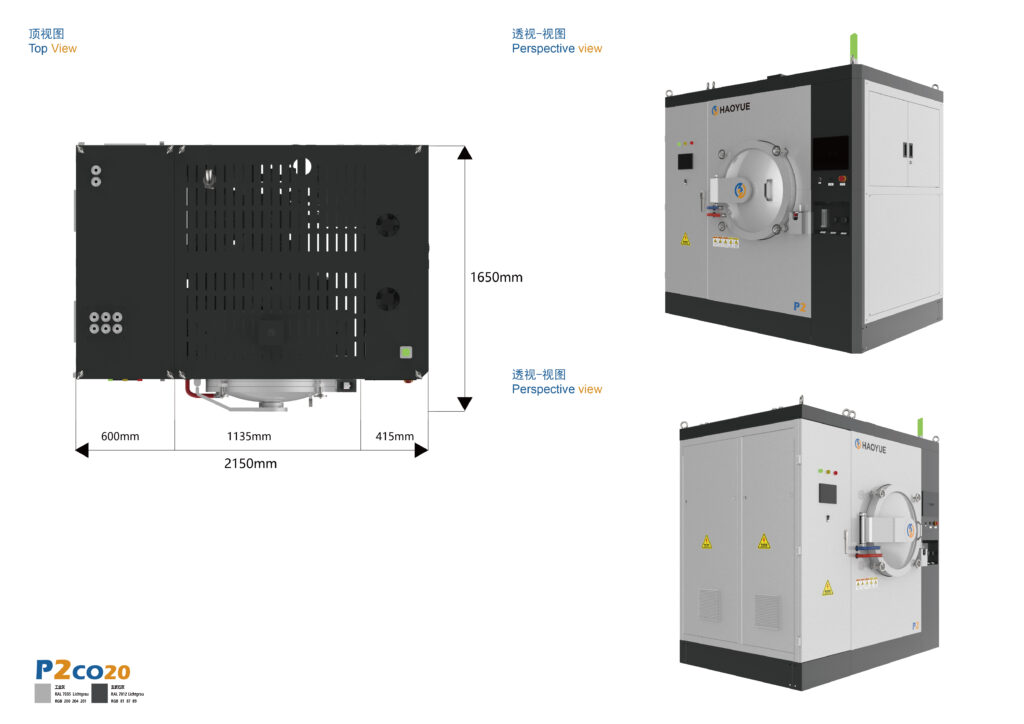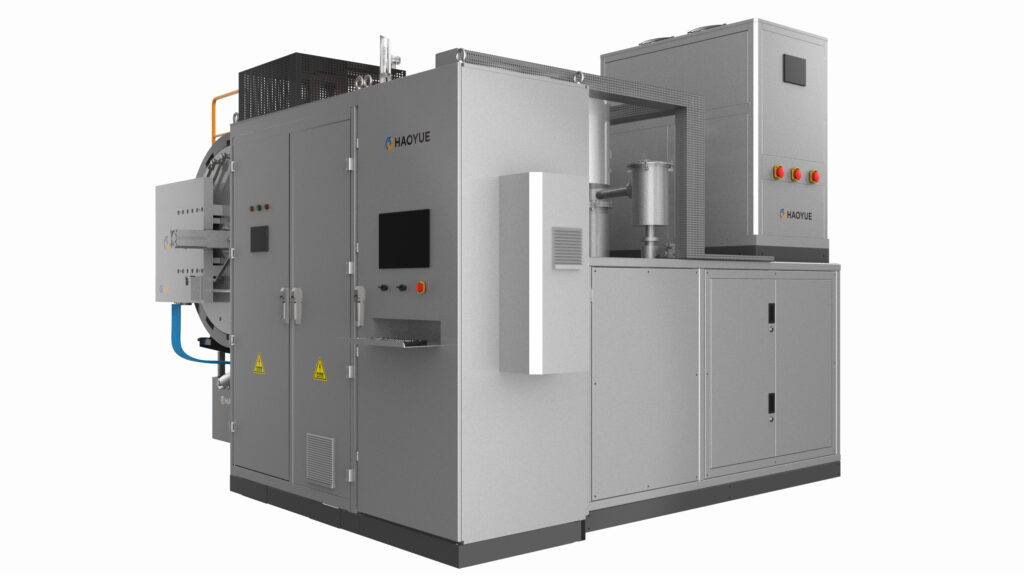







In the rapidly evolving landscape of advanced metallurgy and technical ceramics, selecting the ideal thermal processing system is critical for achieving optimal material properties. Industrial manufacturers across high-precision sectors require advanced thermal solutions to process next-generation components. Partnering with an experienced vacuum furnace manufacturer ensures access to cutting-edge thermal systems designed for extreme environments. From aerospace-grade superalloys to medical-grade ceramics, understanding the nuances of different thermal profiles, atmosphere controls, and physical configurations is key to maximizing production efficiency and component performance.
For advanced structural ceramics and powder metallurgy, selecting the right sintering methodology is paramount. The modern vacuum sintering process offers unmatched control over purity and density. When dealing with ultra-hard materials, processes like silicon carbide sintering, zirconia sintering process, and alumina sintering process require precise temperature uniformity and atmospheric control. For refractory metals and heavy alloys, specialized operations such as tungsten carbide sintering and molybdenum sintering prevent oxidation and ensure structural integrity.
Engineers often face critical decisions when comparing advanced consolidation techniques. Evaluating SPS vs hot pressing (Spark Plasma Sintering vs Hot Pressing) helps determine the optimal heating rate and cycle times for fine-grained microstructures. For ultra-high-density requirements, comparing HIP vs vacuum sintering (Hot Isostatic Pressing) illustrates how post-sintering pressure application eliminates residual porosity. To achieve these extreme conditions, working with a specialized SPS furnace manufacturer, hot pressing furnace manufacturer, or HIP manufacturer is essential. Furthermore, when comparing vacuum sintering vs pressure sintering, a gas pressure sintering furnace provides an excellent middle ground, offering overpressure capabilities to suppress thermal decomposition during high-temperature cycles.
Beyond densification, thermal post-processing defines the final mechanical properties of critical components. Implementing a precise vacuum hardening process or vacuum annealing process removes internal stresses and enhances wear resistance. For instance, titanium alloy heat treatment in aerospace applications demands ultra-clean environments to prevent hydrogen embrittlement, often utilizing a highly controlled vacuum hydrogen furnace. When comparing a vacuum furnace vs atmosphere furnace, the vacuum environment completely eliminates oxidation, decarburization, and surface contamination.
Similarly, in joining technologies, the vacuum brazing process creates exceptionally strong, leak-proof joints. When analyzing vacuum brazing vs conventional brazing, vacuum processing eliminates the need for corrosive flux, resulting in cleaner, stronger assemblies. Selecting the right hot zone material is another critical engineering decision; comparing a graphite furnace vs molybdenum furnace depends on process temperature, chemical compatibility, and cleanroom requirements. To implement these processes, collaborating with a dedicated vacuum heat treatment furnace manufacturer or a vacuum brazing furnace manufacturer ensures the equipment is tailored to your specific metallurgical requirements.
The choice of thermal processing equipment is highly dependent on industry-specific standards. In aerospace, where component failure is not an option, utilizing a certified aerospace vacuum furnace or aerospace heat treatment furnace is mandatory for turbine blades and structural fasteners. The medical sector relies heavily on specialized systems like a medical implant sintering furnace for orthopedic devices, and a dental implant vacuum furnace for zirconia-based prosthetics.
In the rapidly expanding electronics and energy sectors, a high-purity semiconductor vacuum furnace is vital for wafer processing and sensor packaging, while a specialized battery material sintering furnace is required to synthesize high-capacity anode and cathode powders. Finally, for the manufacturing of high-performance cutting tools, a carbide tool sintering furnace ensures the precise carbon control needed for maximum hardness and toughness.
Choosing the right thermal processing system is a multifaceted decision that impacts product quality, throughput, and operational costs. Whether your application involves advanced ceramic densification, high-strength brazing, or precise metallurgical heat treatment, partnering with a leading vacuum sintering furnace manufacturer guarantees that your facility is equipped with the reliability, precision, and technological sophistication required to lead in today’s competitive industrial landscape.