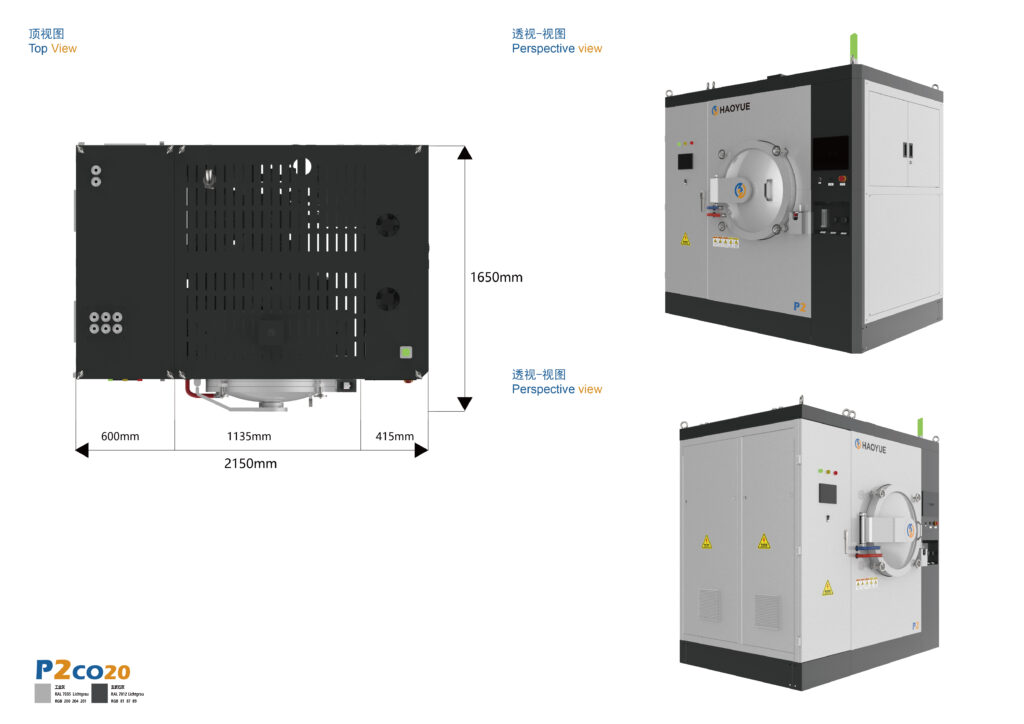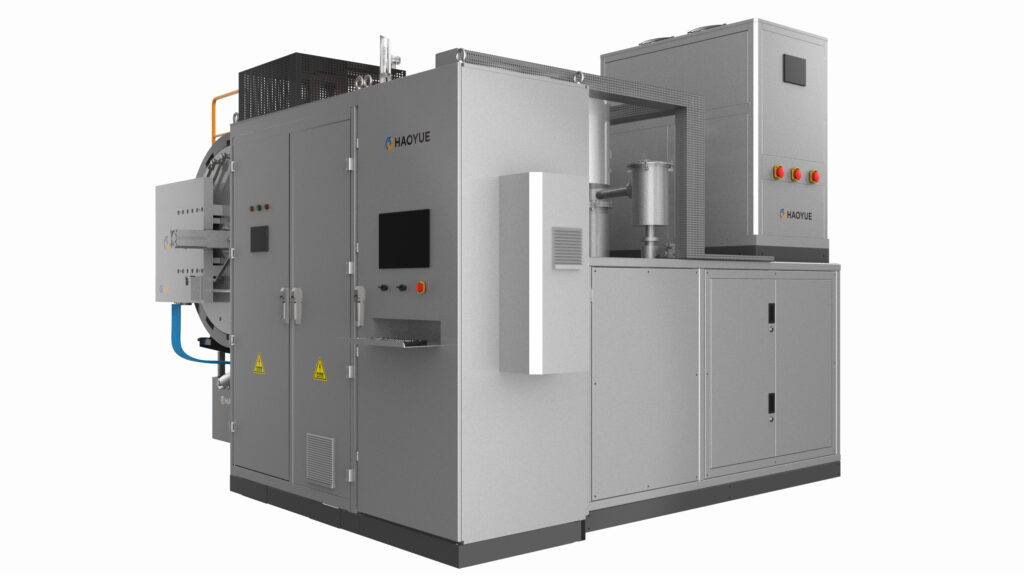






In modern manufacturing, achieving superior material properties requires precise control over thermal environments. For engineers and procurement specialists, selecting the right thermal system involves understanding the capabilities of a leading vacuum furnace manufacturer. When dealing with advanced powder metallurgy and technical ceramics, implementing a controlled vacuum sintering process is critical to eliminating porosity and preventing oxidation. Deciding between a vacuum furnace vs atmosphere furnace is often the first step; while atmosphere systems are suitable for basic processes, vacuum environments offer unparalleled purity and temperature uniformity, ensuring the structural integrity of high-performance components.
Advanced ceramics and refractory metals demand highly specialized thermal profiles. For instance, achieving theoretical density in structural ceramics relies on precise silicon carbide sintering, zirconia sintering process, and alumina sintering process parameters. In the medical sector, utilizing a dedicated medical implant sintering furnace or a dental implant vacuum furnace ensures that biocompatible parts meet strict regulatory standards. Similarly, heavy industrial tooling relies on tungsten carbide sintering and molybdenum sintering, which are optimized inside a robust carbide tool sintering furnace to achieve maximum hardness and wear resistance.
To achieve ultra-high density in critical components, engineers must evaluate competing consolidation technologies. Understanding the nuances of SPS vs hot pressing helps researchers choose between rapid spark plasma sintering and traditional uniaxial hot pressing, prompting them to partner with a qualified SPS furnace manufacturer or a hot pressing furnace manufacturer. When analyzing bulk densification, comparing HIP vs vacuum sintering and vacuum sintering vs pressure sintering determines whether hot isostatic pressing is required to eliminate residual internal micro-voids. For specialized ceramic matrices, a gas pressure sintering furnace supplied by an experienced HIP manufacturer offers the ideal balance of vacuum heating and high-pressure gas consolidation.
Beyond sintering, thermal post-processing is vital for metallurgical optimization. Manufacturers specializing in aerospace components rely on a vacuum heat treatment furnace manufacturer to supply systems capable of precise vacuum annealing process and vacuum hardening process cycles. For critical flight hardware, executing a precise titanium alloy heat treatment within an aerospace vacuum furnace or an aerospace heat treatment furnace is mandatory to meet strict Nadcap standards. Furthermore, joining complex assemblies requires a reliable vacuum brazing process. When comparing vacuum brazing vs conventional brazing, the vacuum method eliminates the need for flux, preventing corrosive residues and ensuring high-strength joints, which makes partnering with a certified vacuum brazing furnace manufacturer essential.
As technology sectors evolve, thermal processing must adapt to highly specific chemical and physical requirements. For example, processing sensitive electronics and energy storage devices requires specialized systems like a semiconductor vacuum furnace or a battery material sintering furnace. In applications requiring reducing atmospheres to remove oxides, a vacuum hydrogen furnace is indispensable. Additionally, engineers must evaluate hot zone construction, comparing a graphite furnace vs molybdenum furnace to determine if the carbon-free environment of molybdenum is necessary to prevent contamination in sensitive alloy runs.
Ultimately, selecting a top-tier vacuum sintering furnace manufacturer ensures access to tailored thermal engineering solutions that drive efficiency and product quality. By understanding these diverse thermal processes and equipment specifications, industrial buyers can confidently invest in systems that optimize their production pipelines, reduce cycle times, and secure a competitive edge in high-precision manufacturing.