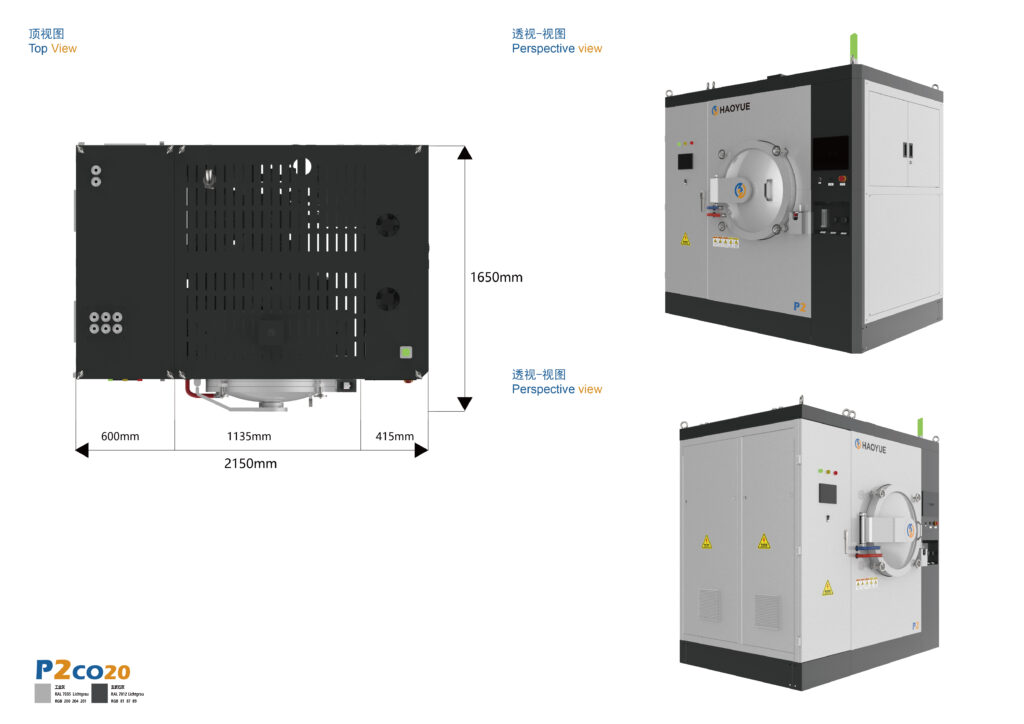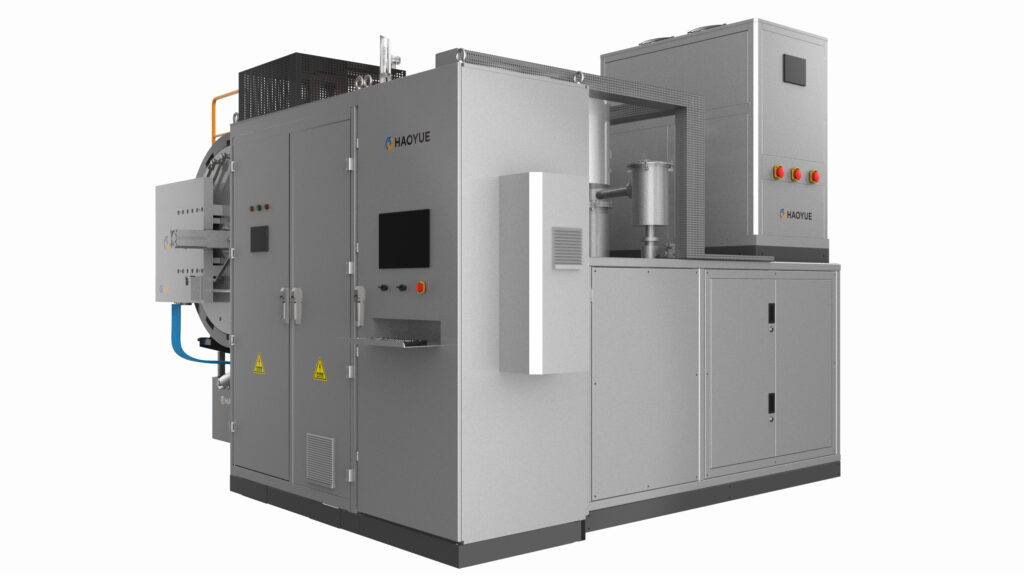






In high-precision manufacturing, selecting the right thermal processing equipment is a critical decision that directly impacts material properties and component longevity. As a leading vacuum furnace manufacturer, we understand that modern engineering demands extreme purity and precise temperature control. When evaluating a vacuum furnace vs atmosphere furnace system, industrial operators increasingly favor vacuum environments to eliminate oxidation and contamination. This is especially true in high-stakes industries where utilizing a dedicated aerospace vacuum furnace ensures compliance with stringent AMS2750 standards, paving the way for flawless aerospace components and advanced material formulations.
For advanced ceramics and powder metallurgy, the vacuum sintering process is indispensable. Partnering with an experienced vacuum sintering furnace manufacturer allows facilities to optimize complex thermal cycles, such as those required for high-performance silicon carbide sintering and high-density tungsten carbide sintering. These advanced systems are crucial for fabricating wear-resistant components in a carbide tool sintering furnace. Furthermore, biomedical applications rely heavily on precise thermal profiles, where a specialized medical implant sintering furnace or a compact dental implant vacuum furnace is used to execute the zirconia sintering process and alumina sintering process to achieve maximum biocompatibility and mechanical strength. Additionally, the energy sector benefits from specialized thermal equipment, such as a battery material sintering furnace, to process anode and cathode powders, while refractory metals undergo precise molybdenum sintering to maintain structural integrity at extreme temperatures.
When standard sintering cannot achieve theoretical density, advanced consolidation techniques become necessary. Choosing between SPS vs hot pressing often comes down to cycle time and microstructure control; a Spark Plasma Sintering system from an expert SPS furnace manufacturer utilizes pulsed direct current to achieve rapid densification, whereas a traditional hot pressing system from a hot pressing furnace manufacturer relies on simultaneous thermal and mechanical uniaxial force. For post-processing, comparing HIP vs vacuum sintering reveals that Hot Isostatic Pressing, supplied by a global HIP manufacturer, eliminates internal micro-voids using high-pressure inert gas. This distinction highlights the trade-offs of vacuum sintering vs pressure sintering for critical structural components. Furthermore, engineers must make material-specific hardware decisions, such as analyzing a graphite furnace vs molybdenum furnace configuration, to ensure chemical compatibility with the processed parts at temperatures exceeding 2000°C.
Beyond densification, precise thermal modification and assembly are vital. A certified vacuum heat treatment furnace manufacturer provides systems capable of executing precise vacuum annealing process and vacuum hardening process protocols. For instance, critical components undergo titanium alloy heat treatment inside an aerospace heat treatment furnace to optimize fatigue resistance. When joining dissimilar metals or complex assemblies, utilizing a vacuum brazing process within a chamber designed by a vacuum brazing furnace manufacturer offers superior joint strength and clean aesthetics compared to traditional methods, illustrating the clear benefits of vacuum brazing vs conventional brazing. For highly reactive metals or specific reduction reactions, a specialized vacuum hydrogen furnace provides a controlled reducing atmosphere, while a gas pressure sintering furnace combines vacuum heating with overpressure gas to prevent decomposition of advanced silicon nitride ceramics.
In the rapidly evolving microelectronics sector, thermal processing demands are exceptionally stringent. The integration of a high-purity semiconductor vacuum furnace is essential for wafer processing, thin-film deposition, and annealing of advanced substrates. As a dedicated thermal processing partner, we engineer custom solutions that bridge the gap between material science and industrial execution, ensuring that every heating cycle delivers repeatable, defect-free results for the world’s most demanding technology sectors.