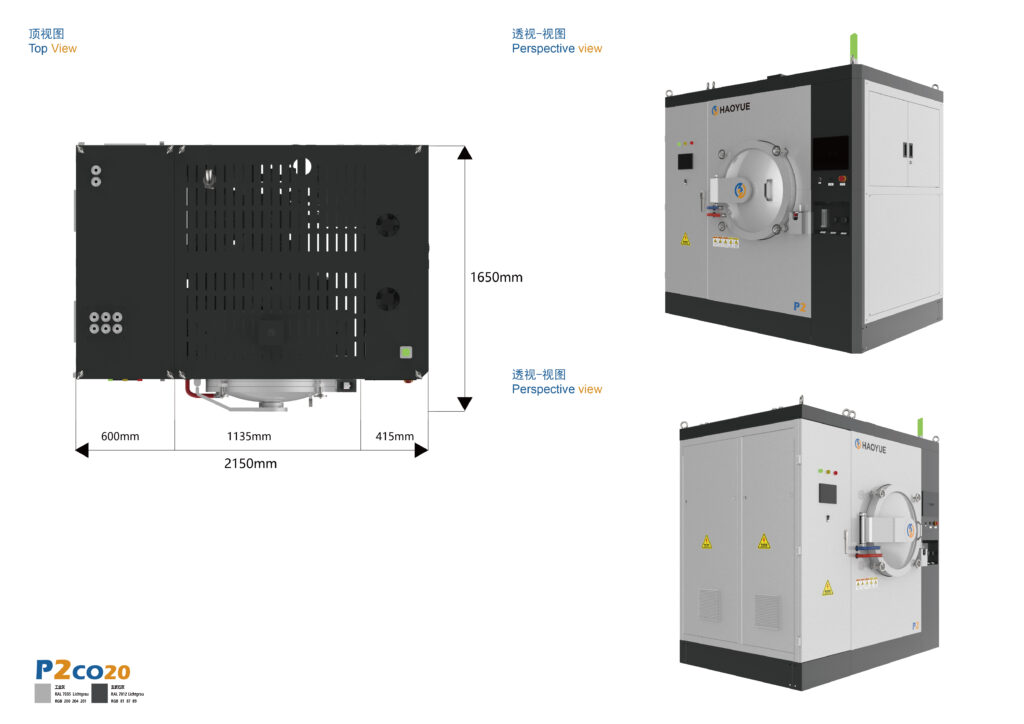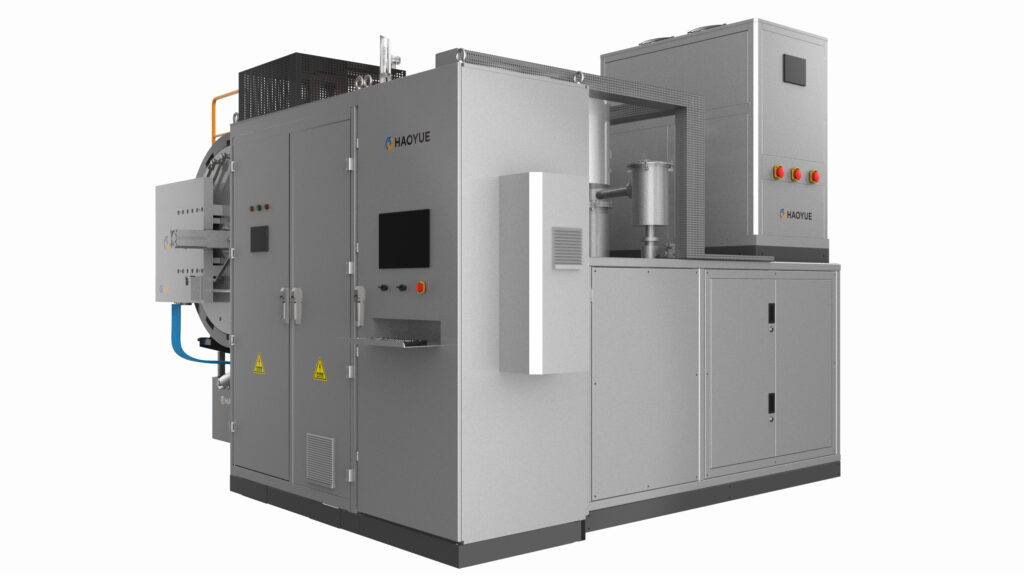






In the realm of advanced metallurgy and high-performance material engineering, achieving precise thermal control is paramount. As a leading vacuum furnace manufacturer and vacuum sintering furnace manufacturer, we understand that selecting the right thermal processing setup is critical to the structural integrity, density, and performance of modern engineering components.
Understanding Advanced Sintering Technologies
When evaluating advanced consolidation methods for high-performance materials, engineers often weigh the benefits of SPS vs hot pressing. While a traditional hot pressing furnace manufacturer offers excellent density for standard ceramics and composites, an SPS furnace manufacturer provides Spark Plasma Sintering systems that utilize pulsed direct current to achieve rapid densification at significantly lower temperatures. For extreme applications requiring complete elimination of internal porosity, comparing HIP vs vacuum sintering becomes essential. Hot Isostatic Pressing, provided by a specialized HIP manufacturer, eliminates internal micro-voids under high gas pressure, whereas standard vacuum sintering vs pressure sintering comparisons highlight the cost-effectiveness and geometric flexibility of vacuum environments for bulk production. These systems are vital for challenging materials, including advanced silicon carbide sintering, the high-precision zirconia sintering process, and the specialized alumina sintering process.
Atmosphere and Construction: Key Technical Trade-offs
Choosing the right thermal environment involves comparing a vacuum furnace vs atmosphere furnace. While atmosphere units introduce specific gases to prevent oxidation, vacuum systems eliminate reactive gases entirely, ensuring the highest purity. Within vacuum systems, the choice of heating element often comes down to a graphite furnace vs molybdenum furnace, depending on the maximum temperature requirements and potential carbon contamination risks. For joining critical components, opting for vacuum brazing vs conventional brazing ensures flux-free, high-strength joints without post-braze cleaning. Partnering with an experienced vacuum brazing furnace manufacturer or a vacuum heat treatment furnace manufacturer allows industries to implement a precise vacuum brazing process. For specialized reduction and clean-firing applications, utilizing a vacuum hydrogen furnace or a gas pressure sintering furnace guarantees optimal mechanical properties.
Industry-Specific Applications and Process Optimization
Modern high-tech industries require highly tailored thermal solutions. In aerospace, the demand for high-strength turbine blades and structural components relies heavily on an aerospace vacuum furnace and an aerospace heat treatment furnace to execute the precise titanium alloy heat treatment, vacuum annealing process, and vacuum hardening process. In the medical field, a specialized medical implant sintering furnace or a dental implant vacuum furnace ensures biocompatible, defect-free parts. Meanwhile, the electronics sector relies on a high-purity semiconductor vacuum furnace for wafer processing, and energy storage producers utilize a dedicated battery material sintering furnace. For heavy-duty machining, a carbide tool sintering furnace facilitates the complex tungsten carbide sintering, molybdenum sintering, and overall vacuum sintering process needed to produce wear-resistant industrial cutting tools.