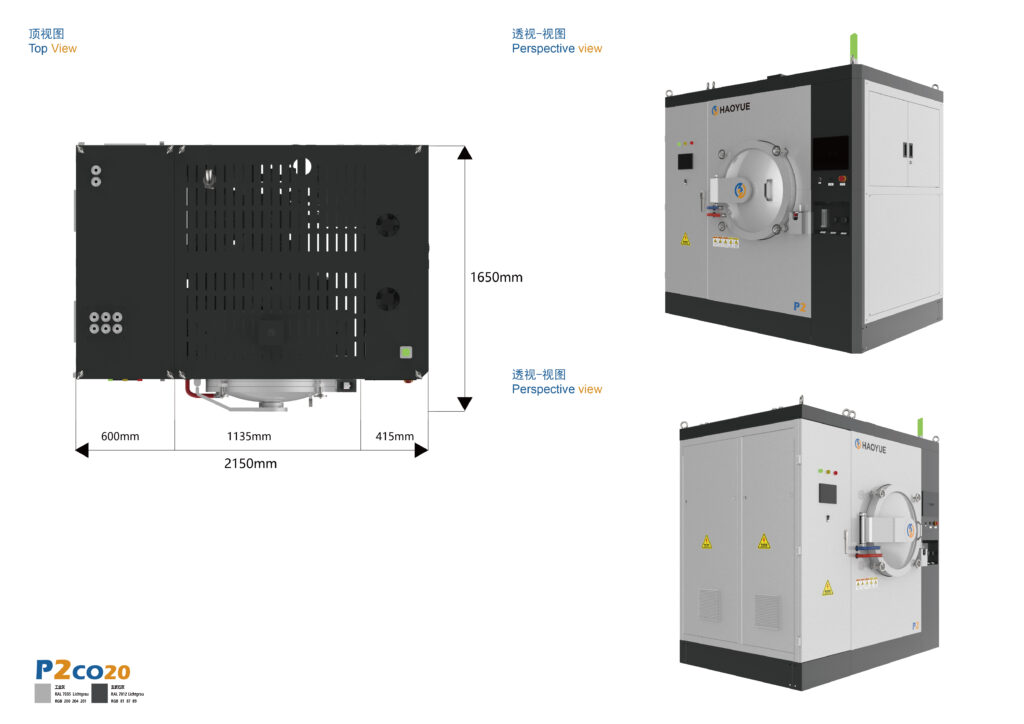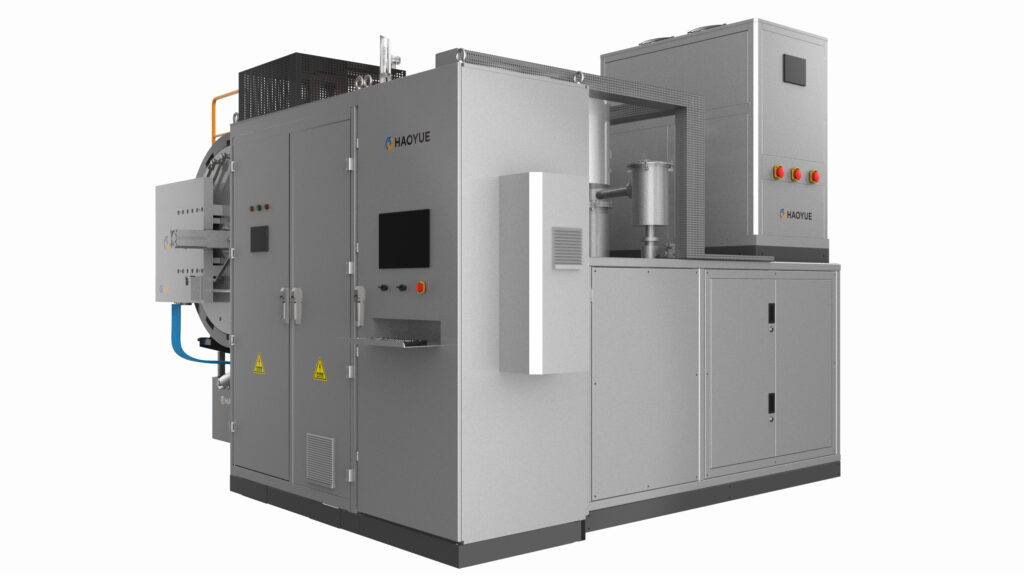






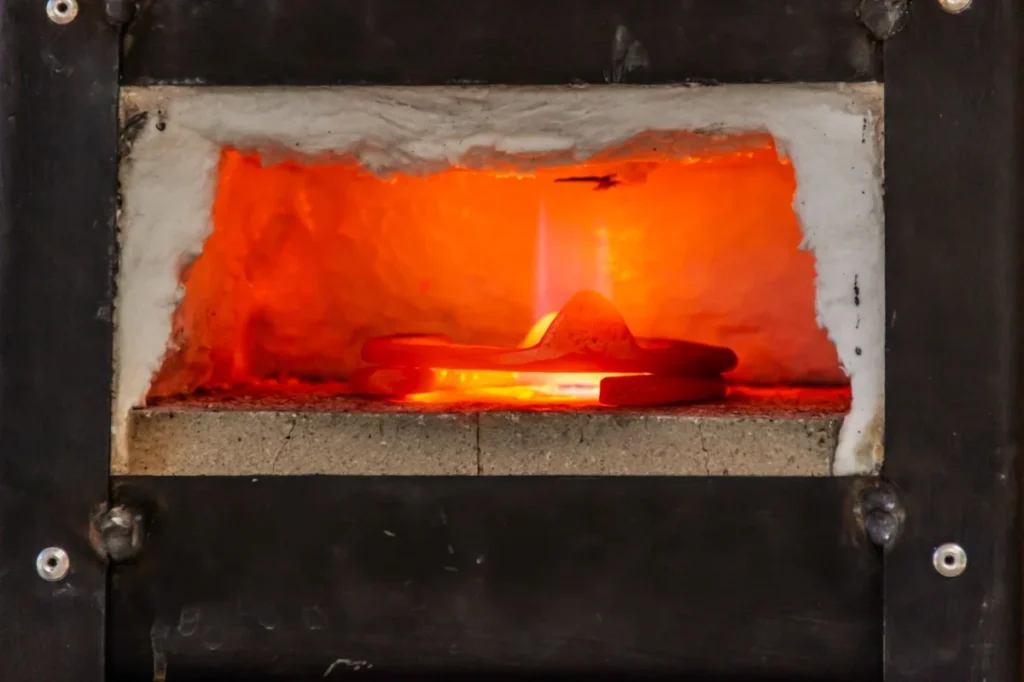
In the high-precision world of advanced metallurgy, technical ceramics, and semiconductor manufacturing, achieving optimal material properties requires precise control over thermal environments. As a leading vacuum furnace manufacturer, we understand that selecting the right thermal processing system is critical to your production success. When comparing a vacuum furnace vs atmosphere furnace, the elimination of atmospheric gases prevents oxidation, decarburization, and contamination, delivering pristine surface finishes and superior mechanical properties. For industries requiring dense, high-strength components, partnering with an experienced vacuum sintering furnace manufacturer is the first step toward achieving unparalleled component integrity.
Modern manufacturing relies heavily on advanced sintering techniques to produce high-performance materials. For instance, silicon carbide sintering, zirconia sintering process, and alumina sintering process require extremely high temperatures and precise atmosphere control to reach full theoretical density. Similarly, heavy-duty applications demand specialized tungsten carbide sintering and molybdenum sintering profiles to ensure wear resistance and toughness. To meet these demands, choosing between technologies like SPS vs hot pressing is vital; Spark Plasma Sintering (SPS) offers rapid consolidation, while hot pressing provides uniform pressure distribution. Consulting an experienced SPS furnace manufacturer or hot pressing furnace manufacturer can help engineers select the ideal setup. Furthermore, when evaluating density requirements, comparing HIP vs vacuum sintering reveals that Hot Isostatic Pressing (HIP) provides the ultimate pore elimination, making the selection of an industry-certified HIP manufacturer crucial for aerospace and medical applications that rely on a refined vacuum sintering process.
Beyond sintering, advanced thermal processing encompasses specialized joining and heat treatment methods. Incorporating a robust vacuum brazing process is essential for joining dissimilar metals or complex assemblies without flux, which is why choosing a reliable vacuum brazing furnace manufacturer is key. When analyzing vacuum brazing vs conventional brazing, the vacuum environment eliminates the risk of joint oxidation and flux inclusion, resulting in significantly stronger joints. For high-temperature alloy modification, processes like the vacuum annealing process and vacuum hardening process are employed to optimize ductility and hardness. A professional vacuum heat treatment furnace manufacturer can design systems tailored for specialized operations, such as a vacuum hydrogen furnace for reducing atmospheres or a gas pressure sintering furnace for overpressure consolidation. Equipment buyers must also decide between thermal chamber configurations, specifically evaluating a graphite furnace vs molybdenum furnace based on operating temperature, cleanliness requirements, and material compatibility.
Industry-specific demands dictate the precise configuration of thermal processing systems. In high-stakes sectors, an aerospace vacuum furnace or an aerospace heat treatment furnace must comply with strict NADCAP standards to execute precise titanium alloy heat treatment protocols. In the medical field, a specialized medical implant sintering furnace or dental implant vacuum furnace ensures biocompatibility and zero contamination during the fabrication of titanium and zirconia prosthetics. For high-tech electronics, a highly controlled semiconductor vacuum furnace is indispensable for wafer processing and advanced packaging. Meanwhile, the energy sector relies on a high-throughput battery material sintering furnace to synthesize active anode and cathode powders, while the machining industry utilizes a dedicated carbide tool sintering furnace to produce ultra-hard cutting inserts. When optimizing these operations, understanding the nuances of vacuum sintering vs pressure sintering helps manufacturers balance throughput, cost, and component density.
In conclusion, selecting the appropriate thermal processing technology is a multifaceted decision that directly impacts product quality, operational efficiency, and market competitiveness. Whether you are upgrading your facility with a state-of-the-art system or optimizing an existing thermal cycle, collaborating with an expert manufacturer ensures your equipment is engineered to your exact specifications, driving innovation across aerospace, medical, and semiconductor industries.