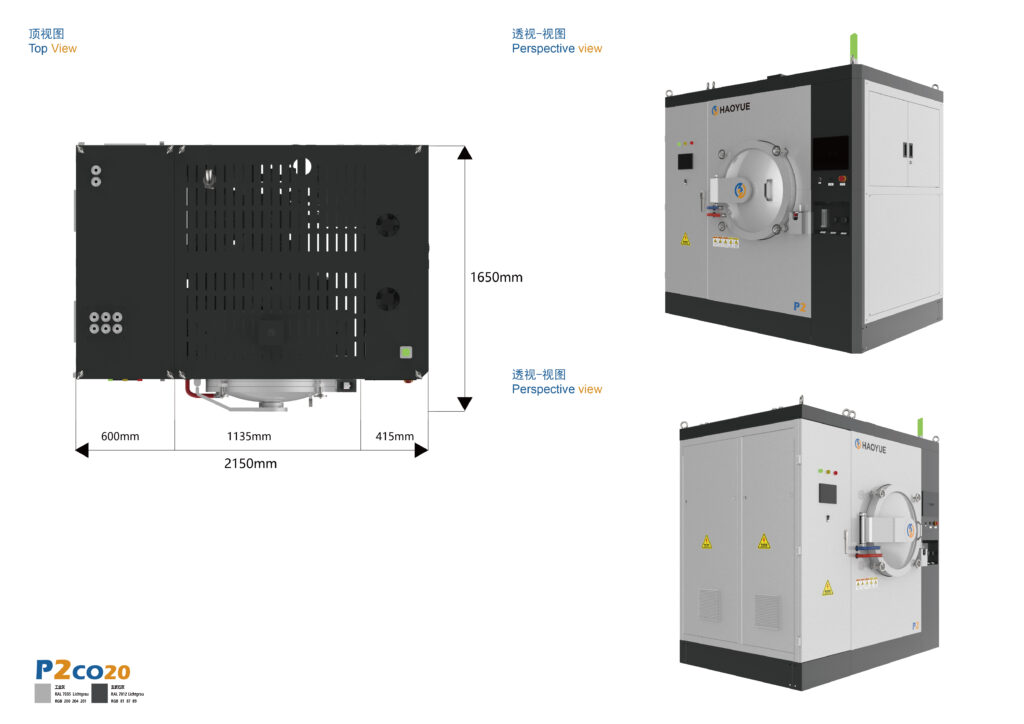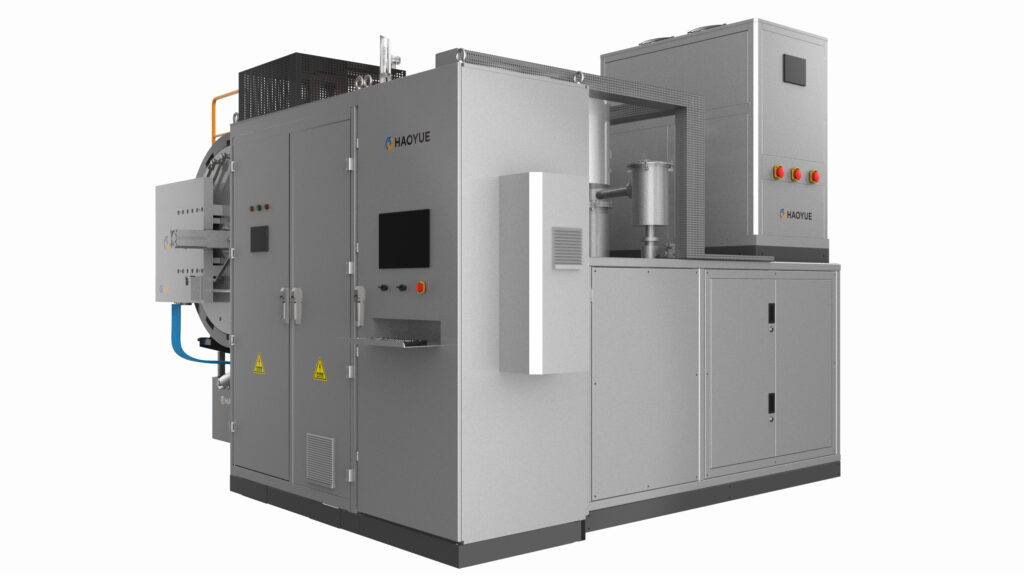






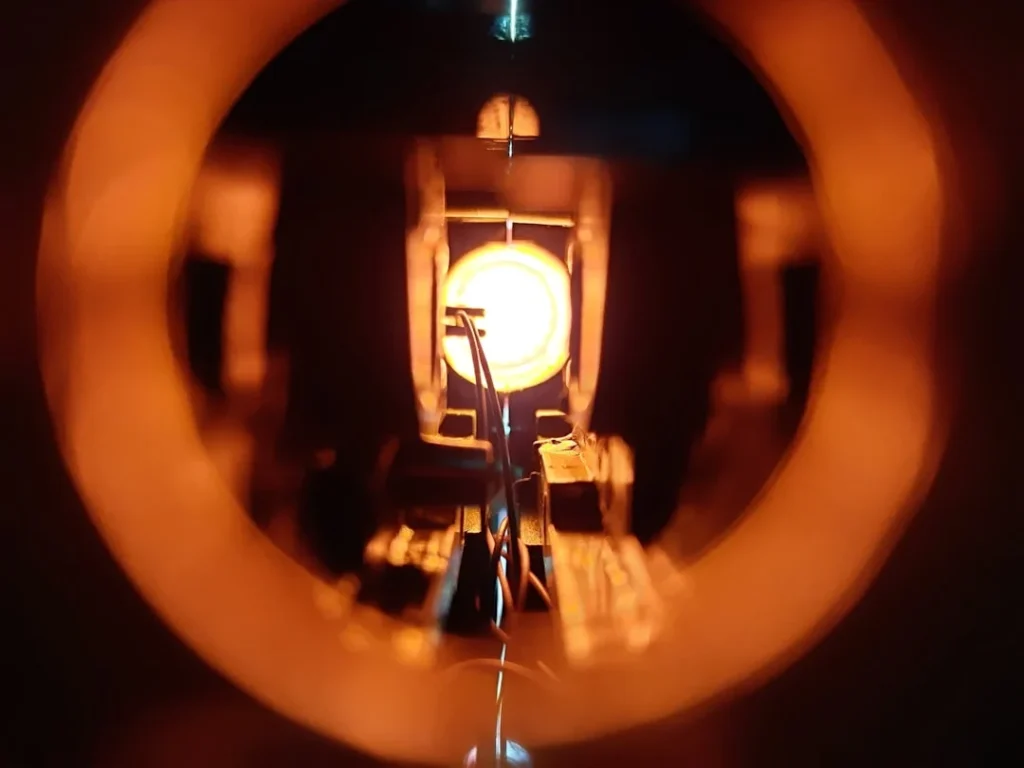
The rapid advancement of modern engineering demands unprecedented material performance, pushing thermal processing technology to its absolute limits. For industrial buyers and thermal engineers, partnering with a leading vacuum furnace manufacturer or a specialized vacuum sintering furnace manufacturer is no longer just a procurement choice—it is a strategic decision that dictates final product quality. In high-tech sectors where contamination is unacceptable and microstructural integrity is paramount, understanding the nuances of the vacuum sintering process and advanced heat treatment is essential to achieving mechanical excellence.
When evaluating high-performance powder consolidation techniques, engineers often face complex choices regarding equipment capabilities, such as comparing SPS vs hot pressing (Spark Plasma Sintering vs. Hot Pressing). While a top-tier SPS furnace manufacturer can provide systems that achieve rapid densification through pulsed direct current, a hot pressing furnace manufacturer offers solutions optimized for larger, uniform structural components. For ultimate density and pore elimination, comparing HIP vs vacuum sintering reveals that Hot Isostatic Pressing eliminates residual porosity, prompting many to consult a certified HIP manufacturer for aerospace-grade components. However, for cost-effective mass production of complex geometries, evaluating vacuum sintering vs pressure sintering often leads manufacturers to integrate a gas pressure sintering furnace to balance mechanical properties and throughput.
These advanced thermodynamic systems are critical for processing advanced ceramics and refractory metals. For instance, achieving high density during silicon carbide sintering or optimizing the zirconia sintering process for dental aesthetics requires precise atmospheric control. Similarly, the alumina sintering process demands uniform thermal zones, while tungsten carbide sintering and molybdenum sintering require ultra-high temperatures and deep vacuum levels to prevent oxidation, eliminate binder residues, and ensure superior wear resistance in the final product.
Beyond powder metallurgy, precise thermal modification is executed through specialized thermal cycles. Sourcing from a reliable vacuum heat treatment furnace manufacturer ensures access to equipment capable of executing the vacuum annealing process to relieve internal stresses, or the vacuum hardening process to achieve superior surface hardness. For specialized reactive metal processing, a vacuum hydrogen furnace is often utilized to reduce surface oxides and prevent hydrogen embrittlement. When joining dissimilar metals, analyzing vacuum brazing vs conventional brazing highlights the benefits of the vacuum brazing process—specifically, the elimination of flux and the prevention of joint oxidation. Sourcing from a dedicated vacuum brazing furnace manufacturer guarantees leak-tight, high-strength joints essential for high-vacuum and high-pressure assemblies.
Selecting the right furnace configuration involves critical hardware comparisons. The classic debate of vacuum furnace vs atmosphere furnace centers on the level of oxidation control; vacuum systems offer unparalleled purity. Inside the hot zone, deciding between a graphite furnace vs molybdenum furnace depends on the operating temperature and chemical compatibility of the workload, as molybdenum elements prevent carbon contamination in sensitive alloys. This is particularly crucial during titanium alloy heat treatment, where titanium’s high affinity for oxygen and carbon requires an ultra-clean, high-vacuum environment.
Industry-specific demands further segment the thermal processing market. In defense and aviation, the reliance on an aerospace vacuum furnace or an aerospace heat treatment furnace is strictly regulated by AMS2750 standards. In healthcare, manufacturers rely on a medical implant sintering furnace for orthopedic joint replacements, and a high-precision dental implant vacuum furnace for zirconia crowns. Meanwhile, the electronics sector utilizes a high-purity semiconductor vacuum furnace for wafer processing, a specialized battery material sintering furnace for advanced anode/cathode powders, and a heavy-duty carbide tool sintering furnace to produce cutting-edge industrial tooling. Partnering with the right thermal processing expert ensures your materials meet the rigorous standards of tomorrow.