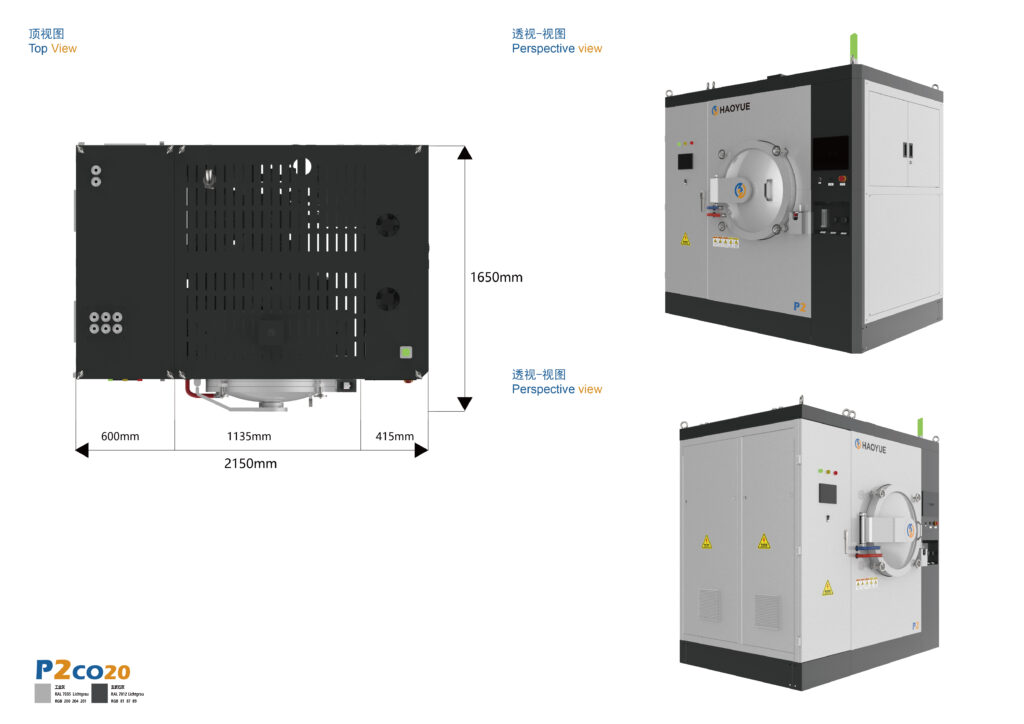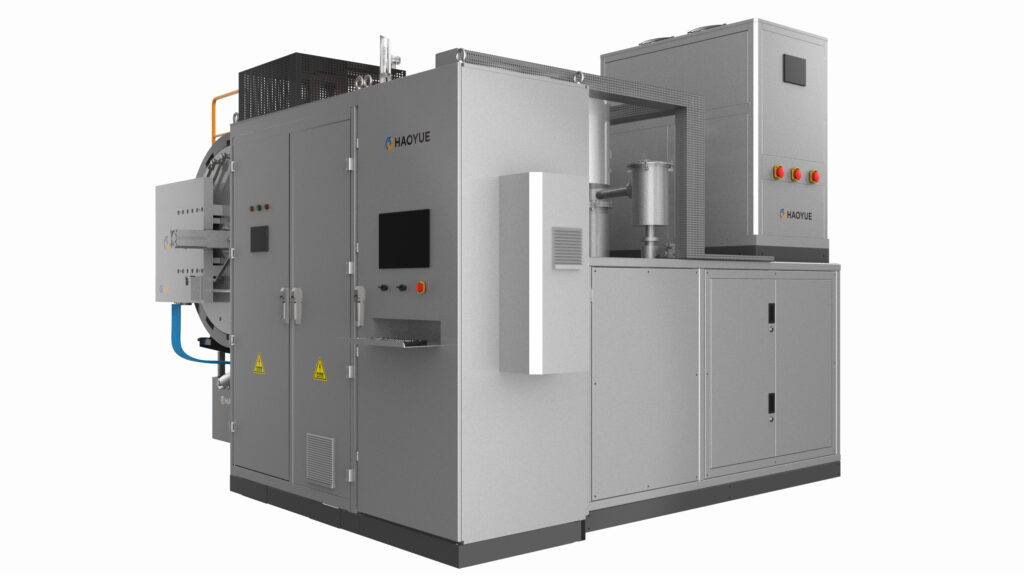






In the rapidly evolving landscape of advanced metallurgy and technical ceramics, achieving precise material properties requires state-of-the-art thermal processing systems. For industrial equipment buyers and engineers, selecting the right vacuum furnace manufacturer and vacuum sintering furnace manufacturer is a critical step in ensuring production efficiency and product quality. One of the primary decisions engineering teams face is choosing between a vacuum furnace vs atmosphere furnace. While atmosphere furnaces utilize inert gases to prevent oxidation, vacuum furnaces completely eliminate ambient gases, providing an ultra-clean environment that prevents contamination and allows for superior degasification of high-performance alloys.
When it comes to powder metallurgy and advanced ceramics, the vacuum sintering process serves as the backbone for consolidating loose powders into dense, high-strength components. This technology is highly versatile, facilitating critical operations such as silicon carbide sintering, zirconia sintering process, and alumina sintering process for structural ceramics. For heavy-duty industrial applications, specialized systems like a carbide tool sintering furnace are employed for tungsten carbide sintering, while specialized high-temperature zones are required for molybdenum sintering. Depending on the final density requirements, manufacturers often evaluate the benefits of vacuum sintering vs pressure sintering to minimize residual porosity. In highly demanding medical sectors, a dedicated medical implant sintering furnace or a compact dental implant vacuum furnace is utilized to meet strict biocompatibility and density standards, while the energy sector relies on a specialized battery material sintering furnace to synthesize advanced anode and cathode materials.
For extreme applications where conventional sintering falls short, pressure-assisted consolidation techniques offer unmatched performance. Engineers frequently compare SPS vs hot pressing (Spark Plasma Sintering vs Hot Pressing) to determine the fastest path to full density. Working with a qualified SPS furnace manufacturer or a hot pressing furnace manufacturer allows facilities to produce fine-grained materials with minimal grain growth. Alternatively, comparing HIP vs vacuum sintering (Hot Isostatic Pressing) highlights how a HIP manufacturer can help eliminate internal micro-voids through simultaneous high temperature and isostatic gas pressure. For specific alloy groups, a gas pressure sintering furnace provides an intermediate, cost-effective solution for achieving closed porosity before final compaction.
Beyond sintering, precise thermal modification of finished metal components is crucial. Partnering with an experienced vacuum heat treatment furnace manufacturer ensures access to precise thermal cycles, including the vacuum annealing process for stress relief and the vacuum hardening process for maximizing wear resistance. For instance, titanium alloy heat treatment requires precise control to avoid hydrogen embrittlement, often necessitating a specialized vacuum hydrogen furnace or an advanced aerospace heat treatment furnace that complies with AMS2750 standards. In the electronics sector, a high-purity semiconductor vacuum furnace is essential for wafer processing and thin-film deposition without particulate contamination.
Joining dissimilar metals also benefits significantly from vacuum technology. A specialized vacuum brazing furnace manufacturer can design systems that optimize the vacuum brazing process, which offers distinct advantages when comparing vacuum brazing vs conventional brazing. Vacuum brazing eliminates the need for corrosive fluxes, resulting in clean, high-strength joints ideal for aerospace heat exchangers. When configuring these thermal systems, choosing the correct heating element and insulation package is vital; comparing a graphite furnace vs molybdenum furnace helps engineers balance maximum operating temperatures, vacuum levels, and chemical compatibility with the workload. Ultimately, whether you are implementing an aerospace vacuum furnace or upgrading a standard production line, collaborating with an established thermal processing expert ensures your system meets the rigorous demands of modern industrial manufacturing.