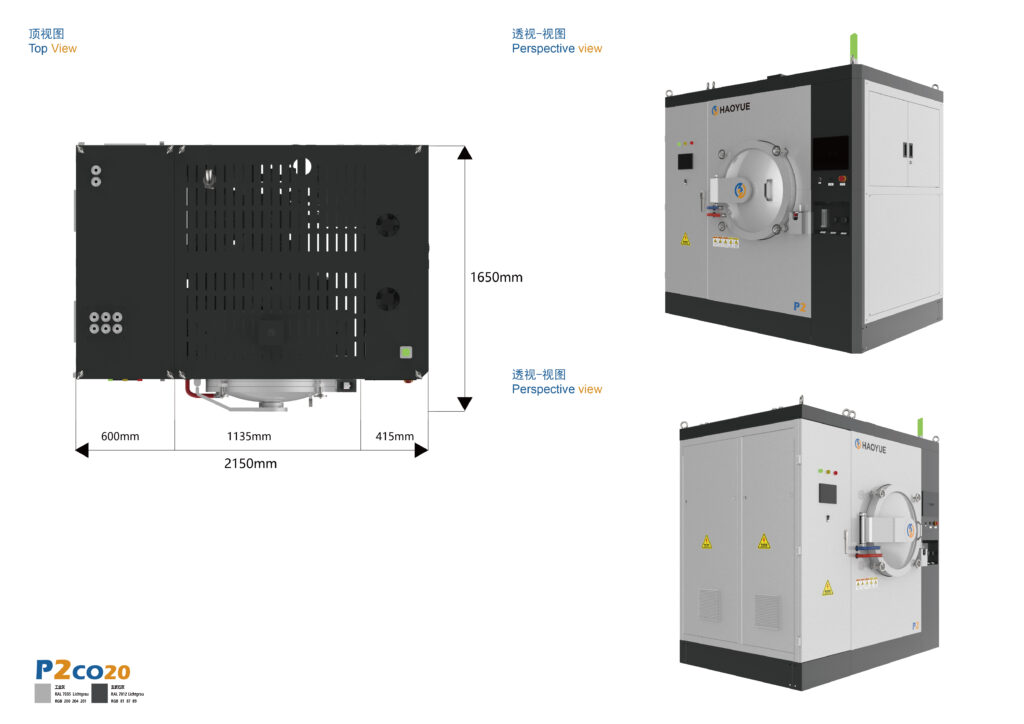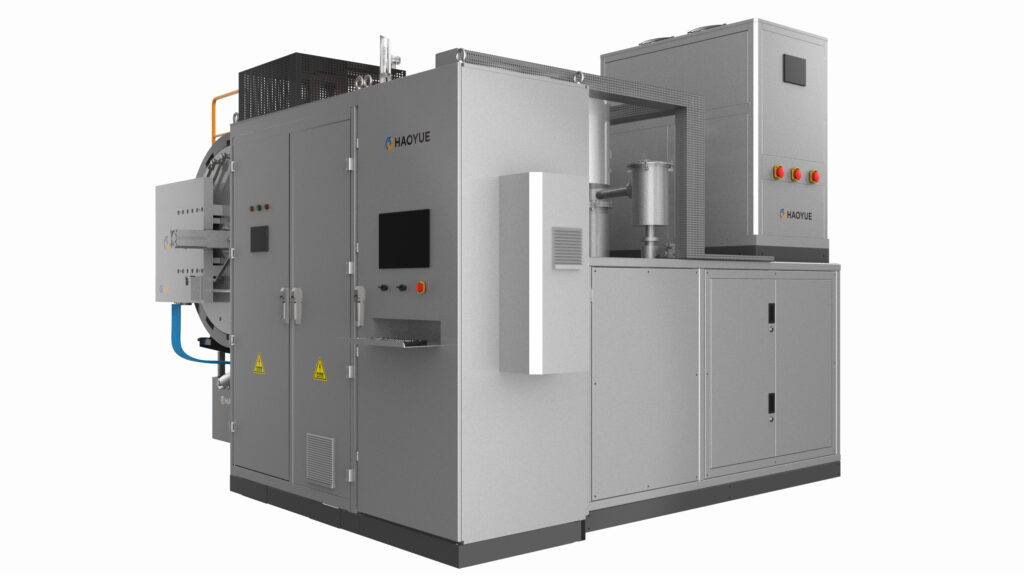






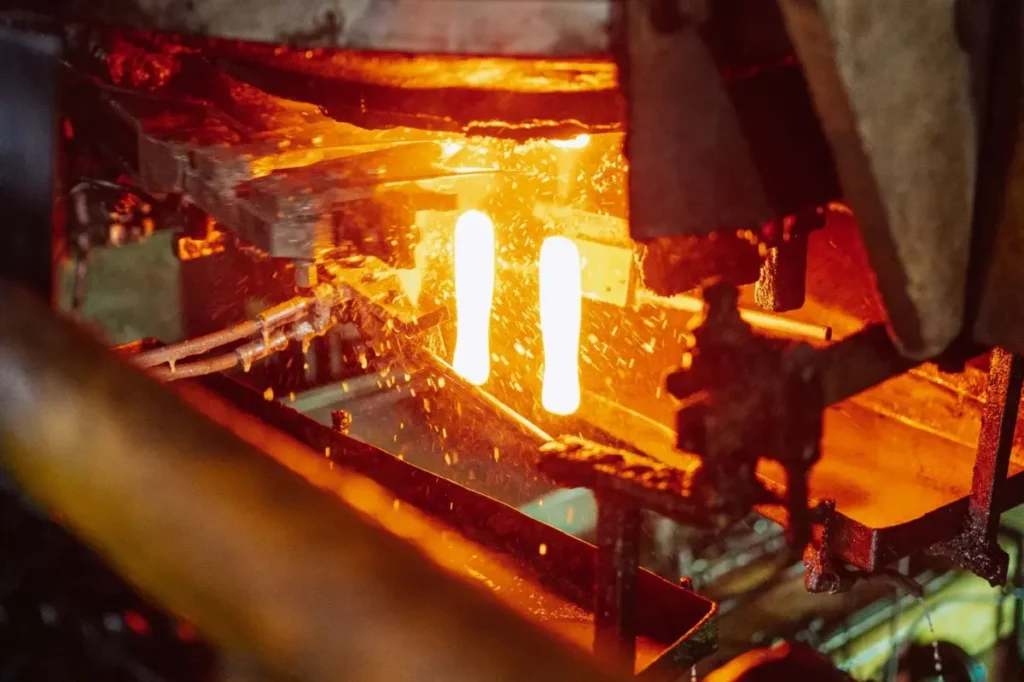
In the realm of advanced metallurgy and technical ceramics, achieving precise material properties requires state-of-the-art thermal processing systems. For industrial buyers and thermal engineers, partnering with a leading vacuum furnace manufacturer is the first step toward securing reliable, high-purity results. Modern manufacturing demands extreme control over temperature, pressure, and atmosphere, making the choice of thermal equipment a critical operational decision.
Understanding Vacuum Thermal Processing Dynamics
When evaluating thermal systems, engineers often compare a vacuum furnace vs atmosphere furnace. While atmosphere furnaces introduce specific gases to protect parts, vacuum furnaces eliminate gases entirely to prevent oxidation, decarburization, and contamination. Within vacuum systems, selecting the hot zone insulation and heating elements is equally vital. A comparison of a graphite furnace vs molybdenum furnace highlights that while graphite is highly cost-effective and durable for high-temperature structural materials, molybdenum is crucial for ultra-clean applications like semiconductor processing and medical devices where carbon contamination must be avoided.
Advanced Sintering Technologies for High-Performance Materials
Sintering processes vary significantly based on material characteristics and final density requirements. Implementing a precise vacuum sintering process is essential for consolidating powder compacts into dense, high-strength components. For example, technical ceramics require tailored thermal profiles, such as those used in the silicon carbide sintering of armor plates, the zirconia sintering process for dental restorations, and the high-purity alumina sintering process for electrical insulators. Utilizing a dedicated dental implant vacuum furnace or a specialized medical implant sintering furnace ensures these bio-compatible materials meet strict clinical standards.
For heavy industrial tooling, the tungsten carbide sintering process must be executed within a high-performance carbide tool sintering furnace to guarantee wear resistance and hardness. Refractory metals also rely heavily on precise thermal profiles, as seen in molybdenum sintering applications. When standard sintering is insufficient to eliminate internal porosity, engineers evaluate HIP vs vacuum sintering. Hot Isostatic Pressing (HIP) applies simultaneous high temperature and isostatic gas pressure, making a reliable HIP manufacturer a valuable partner for critical aerospace components. Alternatively, a gas pressure sintering furnace offers a middle ground, combining vacuum heating with overpressure gas to achieve near-theoretical density, prompting engineers to weigh the benefits of vacuum sintering vs pressure sintering.
Pressure-Assisted and Rapid Sintering Solutions
When rapid consolidation of advanced materials is required, field-assisted sintering technologies offer remarkable advantages. Comparing SPS vs hot pressing (Spark Plasma Sintering vs Hot Pressing) helps engineers decide between ultra-fast heating rates or traditional uniaxial thermal compression. To implement these technologies, sourcing from a specialized SPS furnace manufacturer or a hot pressing furnace manufacturer ensures the delivery of systems capable of precise force and temperature control. These systems are highly effective for consolidating novel alloys, composites, and energy storage materials processed in a specialized battery material sintering furnace.
High-Precision Joining and Heat Treatment
Beyond consolidation, vacuum thermal systems are indispensable for assembly and surface modification. The vacuum brazing process allows for the joining of dissimilar metals and ceramics with clean, flux-free joints. Comparing vacuum brazing vs conventional brazing reveals that vacuum environments eliminate the need for corrosive fluxes, resulting in superior joint strength and aesthetic quality. Industrial manufacturers looking to scale these operations often consult a specialized vacuum brazing furnace manufacturer to design custom multi-zone systems.
For specialized electronics, a high-purity semiconductor vacuum furnace is used to process wafers and thin-film substrates without microscopic contamination. In applications requiring highly reducing atmospheres, a vacuum hydrogen furnace is utilized to clean oxides and heat-treat sensitive alloy components. Furthermore, the aerospace sector relies heavily on precise thermal cycles. An aerospace vacuum furnace or a dedicated aerospace heat treatment furnace is mandatory for performing titanium alloy heat treatment, ensuring the structural integrity of turbine blades and structural airframes. These systems execute precise metallurgical transformations through the vacuum annealing process to relieve internal stresses and the vacuum hardening process to maximize wear resistance.
Partnering for Industrial Success
Selecting the appropriate thermal processing technology requires a deep understanding of material science, thermodynamics, and mechanical engineering. Whether you are looking for a trusted vacuum sintering furnace manufacturer or a certified vacuum heat treatment furnace manufacturer, selecting a supplier with robust engineering support and customizable chamber configurations is paramount. By aligning your specific material requirements—from dental ceramics to aerospace alloys—with the correct vacuum technology, you can ensure unparalleled component quality, operational efficiency, and long-term manufacturing success.