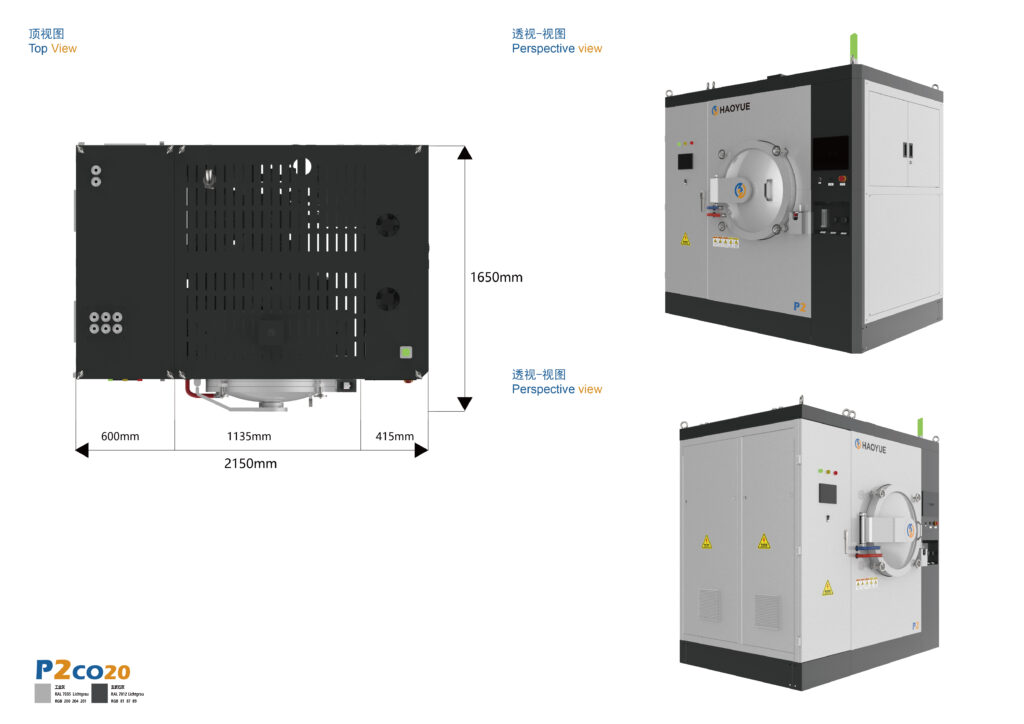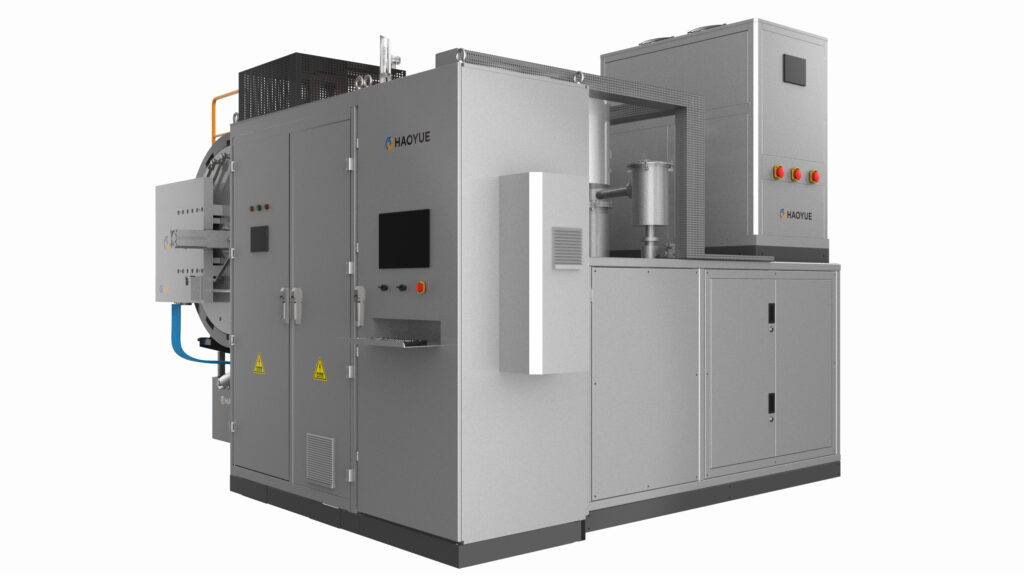






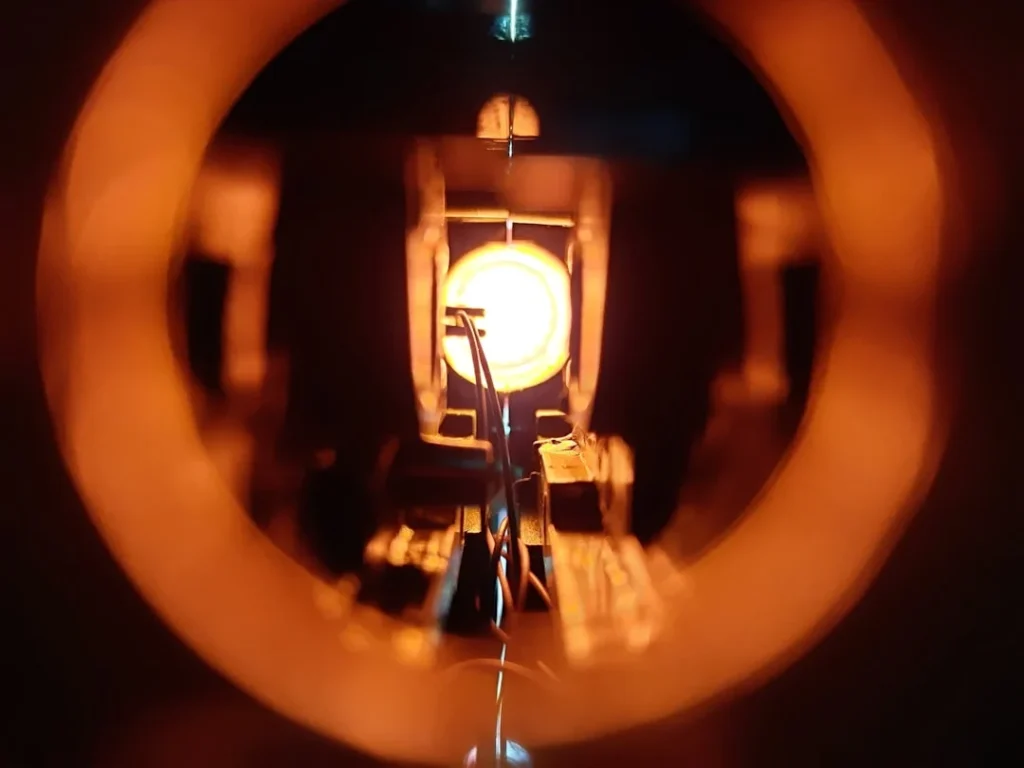
In the rapidly evolving landscape of advanced metallurgy, semiconductor manufacturing, and aerospace engineering, the demand for high-performance materials has never been greater. Achieving the precise mechanical properties, density, and purity required for next-generation components depends heavily on selecting the correct thermal processing equipment. Partnering with an experienced vacuum furnace manufacturer or a specialized vacuum sintering furnace manufacturer is no longer just a procurement choice; it is a critical strategic decision that directly impacts product yield and quality.
Advanced Materials and the Vacuum Sintering Process
At the heart of modern powder metallurgy and technical ceramics is the vacuum sintering process. This thermal treatment consolidates powdered materials into solid forms at temperatures below their melting points, utilizing controlled vacuums to eliminate impurities and prevent oxidation. This process is vital for high-performance ceramics and refractory metals. For instance, silicon carbide sintering requires extremely high temperatures and precise atmosphere control to achieve its renowned hardness and thermal conductivity. Similarly, the zirconia sintering process and alumina sintering process are critical in producing high-strength, bio-compatible ceramics for medical and industrial applications.
For heavy-duty industrial wear parts, tungsten carbide sintering ensures the extreme density and toughness required for cutting tools and mining equipment. When dealing with refractory metals, molybdenum sintering requires specialized thermal cycles to maintain structural integrity. To achieve ultimate density in complex geometries, manufacturers often turn to a gas pressure sintering furnace, which combines vacuum heating with high-pressure gas overpressure to eliminate residual porosity.
Key Technology Comparisons: Selecting the Right System
Engineers and buyers must navigate complex equipment comparisons to optimize their production lines. Understanding these technical differences is essential:
- SPS vs hot pressing: Spark Plasma Sintering (SPS) utilizes pulsed direct current to heat materials internally, offering incredibly fast heating rates compared to traditional hot pressing, which relies on external heating elements and uniaxial mechanical pressure. To implement these, consulting a specialized SPS furnace manufacturer or a hot pressing furnace manufacturer is key to matching the equipment to your specific material throughput.
- HIP vs vacuum sintering: Hot Isostatic Pressing (HIP) applies simultaneous high temperature and equal gas pressure from all directions, whereas standard vacuum sintering relies on thermal activation alone. Consulting a reputable HIP manufacturer can help determine if the added cost of isostatic pressing is justified for eliminating micro-voids in critical components.
- vacuum sintering vs pressure sintering: While vacuum sintering excels in removing volatile impurities and preventing oxidation, pressure sintering uses positive gas pressure to suppress material decomposition at ultra-high temperatures.
- vacuum furnace vs atmosphere furnace: Deciding between a vacuum furnace vs atmosphere furnace depends on oxidation sensitivity. Atmosphere furnaces introduce protective gases (like argon or nitrogen) at ambient pressure, but vacuum furnaces offer a far cleaner, lower-oxygen environment ideal for reactive metals.
- graphite furnace vs molybdenum furnace: The choice of hot zone material, specifically a graphite furnace vs molybdenum furnace, depends on process purity. Graphite is cost-effective and robust at extreme temperatures but can cause carbon contamination, whereas molybdenum hot zones are essential for clean-room processes like semiconductor and medical manufacturing.
- vacuum brazing vs conventional brazing: When joining advanced metals, vacuum brazing vs conventional brazing highlights the superiority of vacuum environments, which eliminate the need for corrosive fluxes and produce exceptionally clean, high-strength joints.
Precision Heat Treatment and Joining Technologies
Beyond sintering, thermal processing encompasses vital metallurgical modifications. Working with a dedicated vacuum heat treatment furnace manufacturer allows companies to customize systems for processes like the vacuum annealing process, which relieves internal stresses and restores ductility, and the vacuum hardening process, which enhances wear resistance without surface decarburization. For specialized joining, a vacuum brazing furnace manufacturer provides systems optimized for the vacuum brazing process, ensuring leak-tight joints in complex heat exchangers and electronic assemblies.
For highly reactive materials, a vacuum hydrogen furnace introduces controlled hydrogen atmospheres to reduce oxides and perform ultra-clean thermal processing. This is particularly critical during titanium alloy heat treatment, where hydrogen levels and vacuum pressures must be meticulously controlled to prevent embrittlement and preserve the alloy’s high strength-to-weight ratio.
Industry-Specific Thermal Processing Solutions
Different industrial sectors demand highly tailored thermal environments to meet stringent regulatory and performance standards:
- Aerospace: The aerospace sector demands absolute reliability. Utilizing an aerospace vacuum furnace and an aerospace heat treatment furnace ensures that critical turbine blades, landing gear, and structural components undergo precise thermal cycles to withstand extreme operating stresses.
- Medical and Dental: Precision is paramount for implants. A medical implant sintering furnace or a dental implant vacuum furnace is used to process biocompatible titanium and zirconia, ensuring sterile, high-density, and defect-free structures.
- Semiconductors: The microelectronics sector relies on ultra-high purity. A semiconductor vacuum furnace is engineered with metal hot zones to prevent any particulate contamination during wafer processing and sensor packaging.
- Energy and Tools: Advanced energy storage requires a specialized battery material sintering furnace to synthesize high-purity anode and cathode powders. Meanwhile, a carbide tool sintering furnace is indispensable for producing high-hardness cutting inserts and wear-resistant industrial tooling.
Conclusion
Selecting the ideal thermal processing system requires a deep understanding of material science, process parameters, and equipment capabilities. Whether you are comparing SPS vs hot pressing or determining the optimal parameters for a vacuum annealing process, partnering with an industry-leading vacuum furnace manufacturer ensures your operations achieve the highest standards of efficiency, repeatability, and product quality.