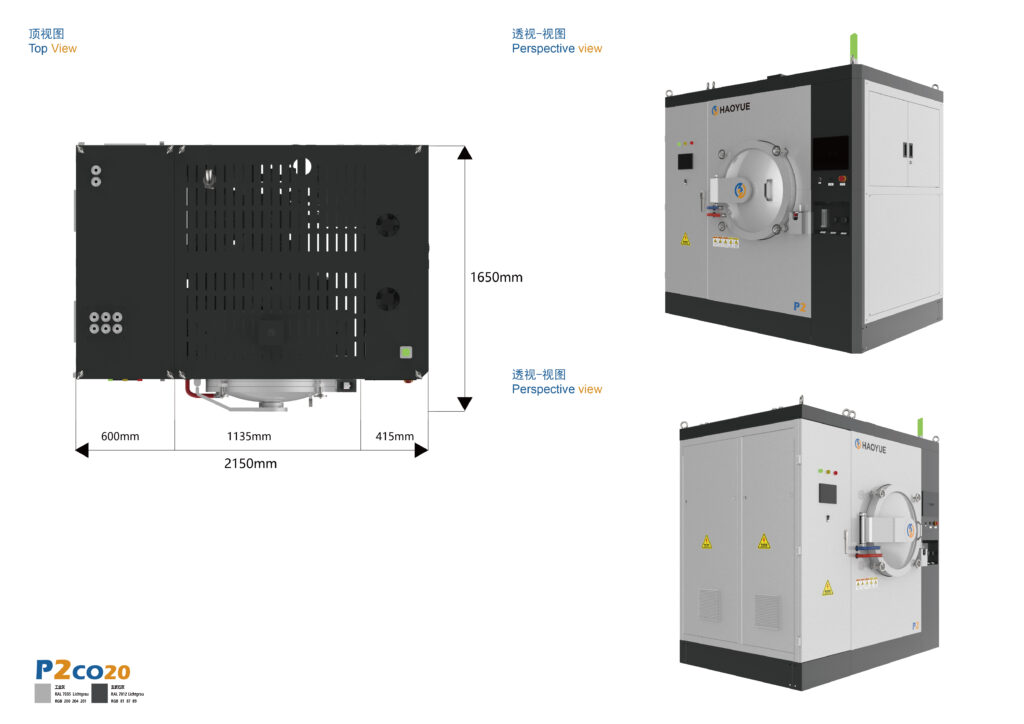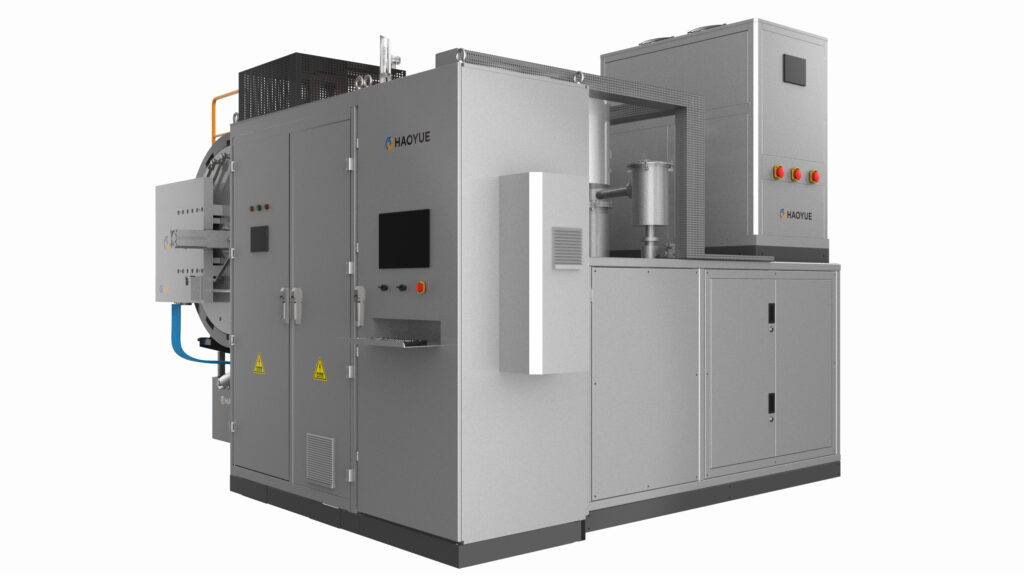






In the relentless pursuit of superior material performance, advanced thermal processing technologies are indispensable. For industrial equipment buyers, engineers, and practitioners, understanding the nuances of these systems is crucial. At the forefront of this innovation are specialized manufacturers, with a leading vacuum furnace manufacturer providing the critical equipment for transforming raw materials into high-specification components. This article delves into the diverse applications and advantages offered by modern vacuum furnace technologies, from sintering to heat treatment and brazing processes.
The foundation of many high-performance materials lies in precise thermal processing. A dedicated vacuum sintering furnace manufacturer specializes in systems designed to create dense, strong materials from powders, often at temperatures exceeding 2000°C in oxygen-free environments. Beyond basic sintering, the landscape includes advanced techniques like those offered by an SPS furnace manufacturer (Spark Plasma Sintering) and a hot pressing furnace manufacturer, which combine heat with pressure to achieve rapid densification and fine microstructures. For ultimate material integrity, a reputable HIP manufacturer (Hot Isostatic Pressing) provides equipment that applies high pressure and temperature simultaneously, eliminating internal porosity and enhancing mechanical properties.
Precision processes are at the heart of material science. The vacuum sintering process is vital for ceramics and refractory metals, enabling the creation of components with exceptional hardness and wear resistance. For advanced ceramics, specific applications include silicon carbide sintering, the intricate zirconia sintering process, and high-purity alumina sintering process. In the realm of hard metals, tungsten carbide sintering and molybdenum sintering produce cutting tools and high-temperature components. Beyond sintering, a proficient vacuum heat treatment furnace manufacturer offers solutions for processes such as titanium alloy heat treatment, critical for aerospace and medical applications, alongside standard operations like the vacuum annealing process and vacuum hardening process, which optimize material ductility and strength.
These sophisticated furnaces find extensive application across numerous high-tech industries. An aerospace vacuum furnace and aerospace heat treatment furnace are essential for manufacturing lightweight, high-strength components capable of withstanding extreme conditions. In the medical sector, a specialized medical implant sintering furnace and dental implant vacuum furnace ensure the biocompatibility and durability of implants. The electronics industry relies heavily on a semiconductor vacuum furnace for critical processing steps, while the burgeoning energy sector utilizes a battery material sintering furnace to produce advanced electrode materials. Furthermore, a carbide tool sintering furnace is fundamental for creating durable cutting and drilling tools. Specialized systems like the vacuum hydrogen furnace offer unique atmospheres for specific material reactions, and a gas pressure sintering furnace combines the benefits of vacuum with elevated gas pressure for enhanced densification.
Understanding the differentiated advantages of various furnace technologies is key to optimal material processing. When considering SPS vs hot pressing, SPS often offers faster processing times and finer grain structures due to rapid heating. The choice between HIP vs vacuum sintering depends on the required density and defect elimination, with HIP providing superior pore closure. Comparing the vacuum sintering vs pressure sintering highlights the benefits of vacuum for purity and pressure for densification. The fundamental distinction between a vacuum furnace vs atmosphere furnace lies in the unparalleled purity and control offered by vacuum, preventing oxidation and contamination. Material selection for furnace components is also critical, as seen in the debate of a graphite furnace vs molybdenum furnace, each suited for different temperature ranges and process chemistries. Finally, the precision of a vacuum brazing furnace manufacturer facilitates the superior joint integrity achieved through the vacuum brazing process, often preferred over conventional brazing due to cleaner joints and minimal distortion.
In conclusion, the advanced capabilities provided by leading vacuum furnace manufacturers are pivotal for industrial innovation. From precise vacuum sintering furnace manufacturer offerings to comprehensive vacuum heat treatment furnace manufacturer solutions, these technologies empower industries like aerospace, medical, and semiconductor to push the boundaries of material science. The careful selection and application of processes like silicon carbide sintering, titanium alloy heat treatment, and sophisticated joining via a vacuum brazing furnace manufacturer ensure materials meet the most stringent performance demands, driving forward the next generation of high-performance components.
Frequently Asked Questions
What are the main differences between vacuum sintering and pressure sintering?
Vacuum sintering excels in achieving high material purity by eliminating oxidation and contamination, making it ideal for applications requiring exceptional material integrity. Pressure sintering, on the other hand, enhances densification by applying external pressure, leading to improved mechanical properties. The choice depends on the specific requirements for purity and density in the final product.
How does Spark Plasma Sintering (SPS) compare to traditional hot pressing methods?
SPS offers the advantage of faster processing times and the ability to produce finer grain structures due to its rapid heating capabilities. This results in superior material properties and microstructures compared to traditional hot pressing, which generally involves longer processing times and can result in coarser grains.
Why is Hot Isostatic Pressing (HIP) preferred for eliminating internal porosity in materials?
HIP is preferred because it applies high pressure and temperature uniformly to the material, effectively closing internal pores and improving mechanical properties. This process enhances the density and integrity of the material, making it suitable for high-performance applications where defect elimination is crucial.
What role do vacuum furnaces play in the aerospace industry?
In aerospace, vacuum furnaces are essential for manufacturing lightweight, high-strength components that can endure extreme conditions. They enable precise thermal processing, such as heat treatment of titanium alloys, ensuring that components meet the stringent requirements for performance and reliability in aerospace applications.
How do vacuum heat treatment processes benefit medical applications?
Vacuum heat treatment processes, such as those used in medical implant sintering, ensure the biocompatibility and durability of implants. By preventing oxidation and contamination, vacuum furnaces produce implants with superior surface quality and mechanical properties, crucial for their performance and longevity in the human body.
What advantages do vacuum furnaces offer to the electronics industry?
Vacuum furnaces in the electronics industry are crucial for processing semiconductor materials. They provide a controlled environment free from contaminants, which is essential for the precise fabrication of semiconductor components. This ensures high performance and reliability in electronic devices.