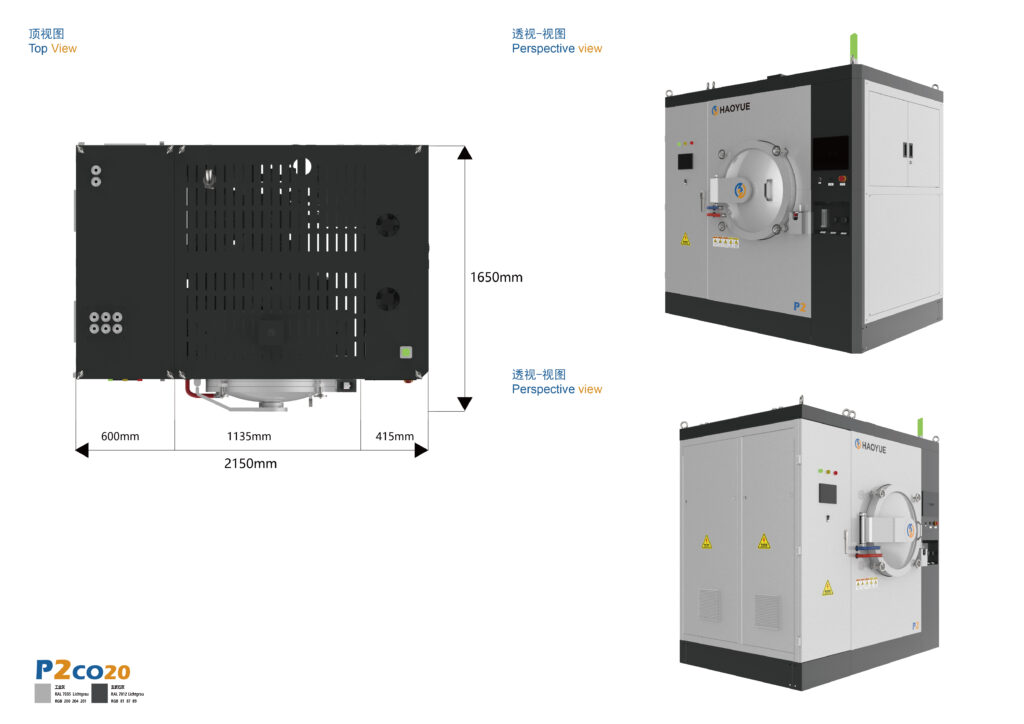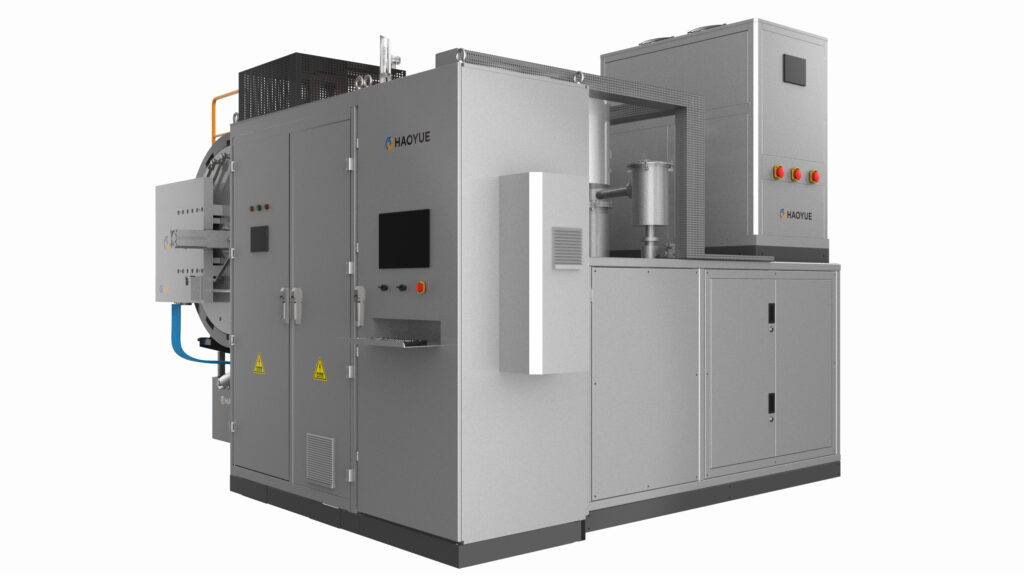






In the demanding world of advanced materials engineering, precision and control are paramount. Modern industrial applications, from aerospace to medical devices, increasingly rely on sophisticated thermal processing techniques to achieve superior material properties. At the heart of these advancements lies the vacuum furnace, a cornerstone technology enabling critical processes like sintering, brazing, and heat treatment. As a leading vacuum furnace manufacturer, understanding the nuances of these systems is vital for engineers and industrial buyers seeking optimal performance and reliability.
The versatility of a vacuum furnace extends across a multitude of applications. For instance, the demand for high-performance components in the aerospace sector necessitates specialized equipment, leading to the development of dedicated aerospace vacuum furnace systems. Similarly, the burgeoning semiconductor industry relies heavily on precise thermal environments, making the semiconductor vacuum furnace an indispensable tool for chip manufacturing and related processes. Whether it’s a vacuum heat treatment furnace manufacturer or a specialized semiconductor vacuum furnace provider, the goal remains the same: to deliver unparalleled process control and material integrity.
Sintering, a process fundamental to creating solid objects from powders, gains significant advantages when performed in a vacuum. The vacuum sintering process eliminates atmospheric contamination, leading to denser, stronger, and purer components. Industries requiring extreme material properties, such as those working with advanced ceramics and refractory metals, frequently utilize this method. For example, silicon carbide sintering, zirconia sintering process, and alumina sintering process all benefit immensely from a controlled vacuum environment. Furthermore, the production of cutting tools and wear parts often involves tungsten carbide sintering and molybdenum sintering, where vacuum conditions are crucial for achieving desired hardness and longevity. Specialized equipment like the SPS furnace manufacturer (Spark Plasma Sintering) and hot pressing furnace manufacturer offer unique solutions for challenging materials and complex geometries, providing alternatives to traditional methods. For high-volume production, a reliable vacuum sintering furnace manufacturer can provide tailored solutions, including advanced gas pressure sintering furnace options for enhanced densification.
Beyond sintering, vacuum technology is critical for various heat treatment and joining applications. The vacuum annealing process is essential for relieving internal stresses and improving ductility in metals without surface oxidation. Similarly, the vacuum hardening process offers superior control over metallurgical transformations, resulting in components with exceptional hardness and wear resistance. The aerospace sector, in particular, leverages advanced titanium alloy heat treatment in vacuum to maintain the integrity and strength of critical parts. For joining dissimilar materials or complex assemblies, the vacuum brazing process provides clean, strong joints with minimal distortion, offering a clear advantage over vacuum brazing vs conventional brazing techniques. A dedicated vacuum brazing furnace manufacturer can supply systems optimized for these intricate operations, ensuring high-quality, repeatable results.
The choice of furnace technology often depends on specific application requirements and material characteristics. For instance, in the medical field, a medical implant sintering furnace is engineered to meet stringent biocompatibility standards, while a dental implant vacuum furnace focuses on precision for intricate dental prosthetics. The burgeoning electric vehicle market drives demand for precise battery material sintering furnace systems. When considering equipment, understanding the distinctions is key. For example, the debate of SPS vs hot pressing revolves around processing speed and material properties. Similarly, evaluating HIP vs vacuum sintering helps determine the optimal densification strategy for high-performance alloys and ceramics, with a reputable HIP manufacturer offering advanced solutions. Comparing vacuum sintering vs pressure sintering highlights the benefits of external pressure for enhanced densification in certain materials. Furthermore, the fundamental difference between a vacuum furnace vs atmosphere furnace underscores the superior purity and control offered by vacuum environments. Even within vacuum systems, the choice between a graphite furnace vs molybdenum furnace depends on temperature requirements and material compatibility. For specialized applications like hydrogen processing, a vacuum hydrogen furnace offers precise control over hydrogen atmospheres for critical material treatments. The manufacture of high-performance components, such as those used in carbide tool sintering furnace applications, demands this level of precision and material integrity.
In conclusion, the evolution of materials science and engineering is inextricably linked to advancements in vacuum thermal processing. From a vacuum sintering furnace manufacturer providing solutions for advanced ceramics to a vacuum heat treatment furnace manufacturer serving the aerospace industry, the commitment to innovation ensures components meet the most rigorous performance standards. Choosing the right industrial partner, one with deep expertise in vacuum furnace technology, is crucial for unlocking the full potential of your materials and processes. Invest in cutting-edge vacuum furnace technology to drive your industrial success.
Frequently Asked Questions
What are the advantages of using a vacuum furnace for sintering processes?
Vacuum furnaces eliminate atmospheric contamination during sintering, resulting in denser, stronger, and purer components. This is particularly beneficial for industries working with advanced ceramics and refractory metals, such as silicon carbide and alumina, where material integrity is crucial.
How does vacuum brazing differ from conventional brazing techniques?
Vacuum brazing offers clean, strong joints with minimal distortion, unlike conventional brazing which can introduce impurities and oxidation. This process is ideal for joining dissimilar materials or complex assemblies, providing high-quality, repeatable results.
Why is vacuum technology important in the aerospace sector?
The aerospace sector requires components with exceptional strength and integrity. Vacuum technology, through processes like titanium alloy heat treatment, ensures these properties by preventing oxidation and allowing precise control over metallurgical transformations.
What role does a semiconductor vacuum furnace play in chip manufacturing?
A semiconductor vacuum furnace provides a precise thermal environment crucial for chip manufacturing. It ensures the integrity and performance of semiconductor materials by preventing contamination and allowing controlled processing conditions.
How do vacuum furnaces contribute to the production of cutting tools and wear parts?
Vacuum conditions in sintering processes, such as tungsten carbide and molybdenum sintering, are crucial for achieving desired hardness and longevity in cutting tools and wear parts. This ensures the components meet the rigorous demands of industrial applications.
What factors should be considered when choosing a vacuum furnace for specific applications?
Choosing a vacuum furnace depends on application requirements and material characteristics. For instance, medical implant sintering furnaces must meet biocompatibility standards, while dental implant furnaces focus on precision. Understanding these distinctions is key to selecting the appropriate technology.