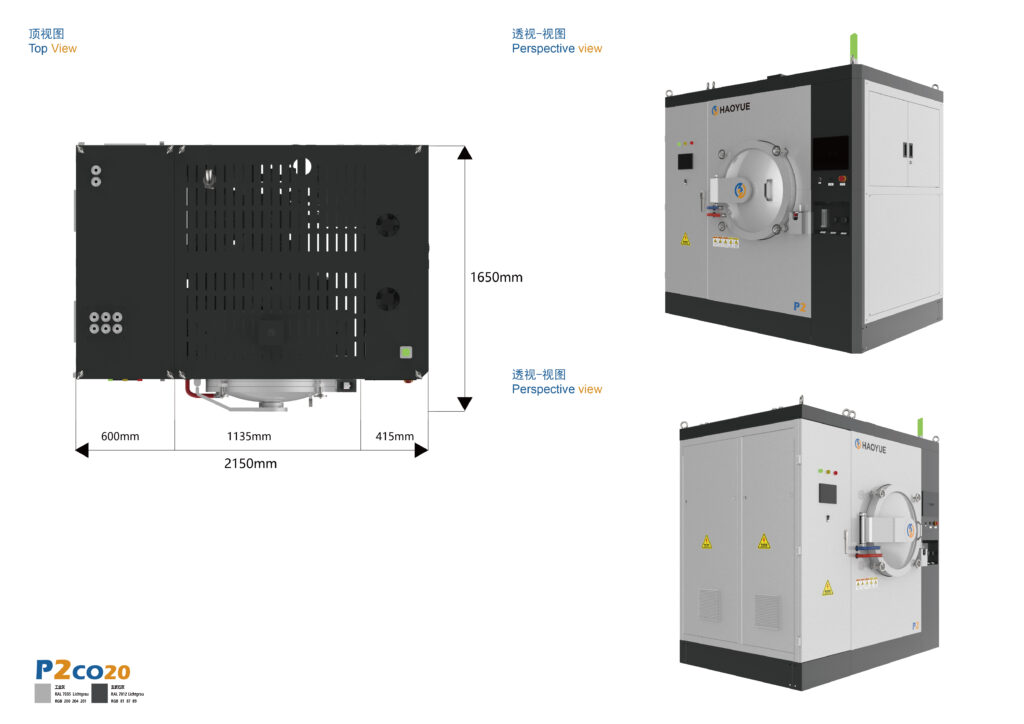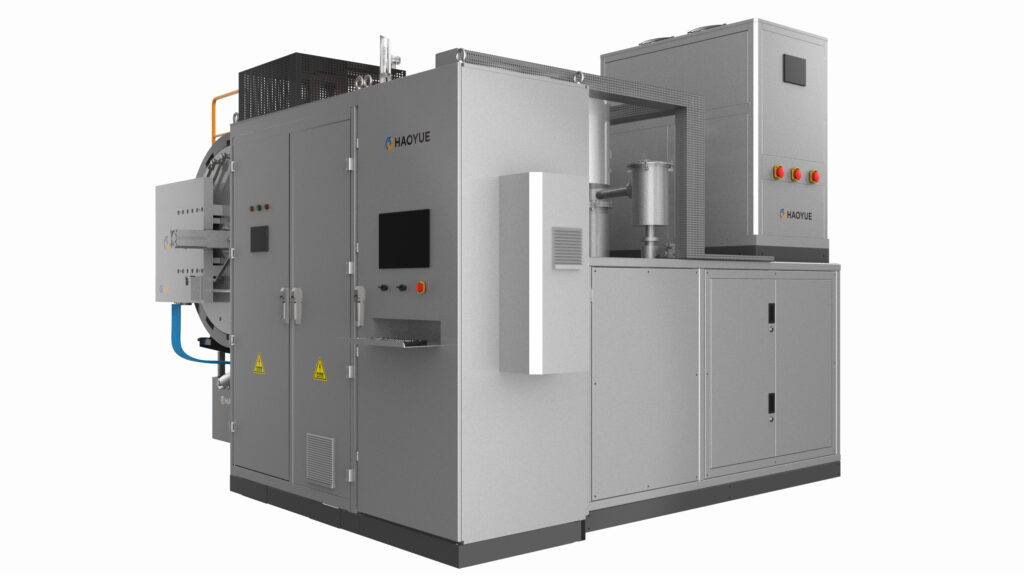






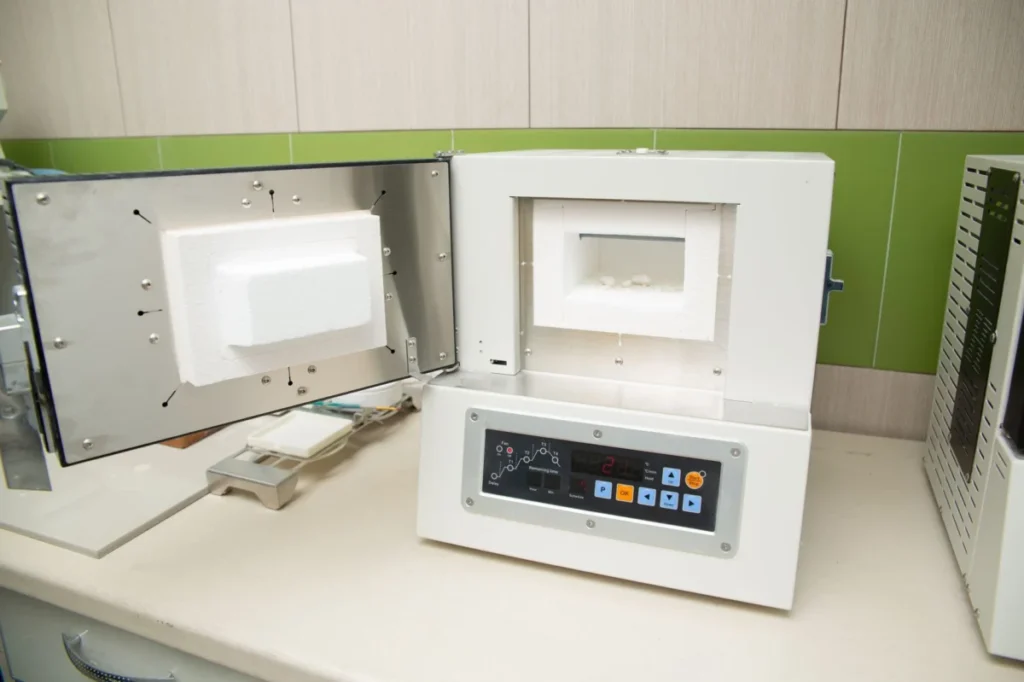
In the demanding world of advanced materials, precision and purity are paramount. This is where the sophisticated capabilities of vacuum furnaces become indispensable for a myriad of industrial processes, from the manufacturing of high-performance components to critical heat treatments. A reliable vacuum furnace manufacturer understands the intricate needs of industries, providing solutions that elevate material properties and operational efficiency.
One of the primary applications is the vacuum sintering process, a cornerstone for producing dense, high-strength parts from powdered materials. Unlike conventional methods, vacuum conditions prevent oxidation and contamination, leading to superior material integrity. Manufacturers specializing in this area, often referred to as a vacuum sintering furnace manufacturer, offer systems capable of handling a diverse range of materials. This includes the precise requirements for silicon carbide sintering, the intricate steps of zirconia sintering process, and the robust demands of alumina sintering process. Furthermore, the vacuum environment is crucial for achieving optimal density and microstructure in tungsten carbide sintering and molybdenum sintering, essential for tooling and high-temperature applications.
Beyond standard sintering, specialized vacuum technologies offer enhanced control and performance. For instance, an SPS furnace manufacturer provides Spark Plasma Sintering systems, which offer rapid heating and cooling rates, often resulting in finer grain structures. Similarly, a hot pressing furnace manufacturer specializes in equipment that combines high temperature with applied pressure to achieve full densification. For even greater densification and defect elimination, a HIP manufacturer (Hot Isostatic Pressing) offers solutions that apply uniform pressure from all directions. Understanding the distinctions, such as SPS vs hot pressing, or the benefits of HIP vs vacuum sintering, is vital for selecting the right equipment. The capabilities of a gas pressure sintering furnace further extend the possibilities, offering advantages where controlled atmospheres are beneficial. The comparative analysis of vacuum sintering vs pressure sintering often highlights the specific advantages each method brings to different material types and desired outcomes.
The utility of vacuum technology extends profoundly into various heat treatment processes. As a leading vacuum heat treatment furnace manufacturer, companies provide systems crucial for enhancing material properties without surface degradation. Processes like vacuum annealing process are critical for relieving internal stresses and improving ductility, while the vacuum hardening process offers superior hardness and wear resistance for components. The precise control offered by these furnaces is particularly beneficial for materials like those used in titanium alloy heat treatment, where oxygen contamination can severely compromise mechanical properties. When considering a vacuum furnace vs atmosphere furnace, the superior purity, uniformity, and environmental advantages of vacuum systems often make them the preferred choice for high-value components.
The scope of vacuum furnace applications is vast and critical across multiple high-tech industries. An aerospace vacuum furnace, alongside an aerospace heat treatment furnace, is fundamental for producing lightweight, high-strength components for aircraft and spacecraft, where reliability is non-negotiable. In the medical field, a medical implant sintering furnace and a dental implant vacuum furnace ensure the biocompatibility and durability of life-critical devices. The electronics sector heavily relies on a semiconductor vacuum furnace for processes requiring ultra-high purity and precise temperature control, including the use of a vacuum hydrogen furnace for specific reduction processes. For energy storage, a battery material sintering furnace is essential for developing next-generation battery components. Furthermore, the production of durable cutting tools benefits immensely from a carbide tool sintering furnace. Beyond sintering and heat treatment, vacuum brazing furnace manufacturer solutions facilitate high-integrity joining of dissimilar materials, with the vacuum brazing process offering significant advantages over vacuum brazing vs conventional brazing in terms of joint strength, cleanliness, and aesthetics.
Material selection for the furnace itself is also a critical consideration. The choice between a graphite furnace vs molybdenum furnace, for example, depends on the specific temperature range, process atmosphere, and material compatibility requirements, each offering distinct advantages for different applications. Ultimately, the continuous innovation by a dedicated vacuum furnace manufacturer ensures that industries can push the boundaries of material science, delivering products with unparalleled performance and reliability.
Frequently Asked Questions
Why are vacuum furnaces preferred over conventional methods for sintering processes?
Vacuum furnaces are preferred because they prevent oxidation and contamination, ensuring superior material integrity. This is crucial for producing dense, high-strength parts from powdered materials, which is not always achievable with conventional methods.
What advantages do vacuum furnaces offer in the heat treatment of titanium alloys?
Vacuum furnaces provide precise control over the heat treatment process, preventing oxygen contamination which can severely compromise the mechanical properties of titanium alloys. This ensures enhanced material properties without surface degradation.
How does Spark Plasma Sintering differ from traditional sintering methods?
Spark Plasma Sintering (SPS) offers rapid heating and cooling rates, which often result in finer grain structures compared to traditional methods. This makes SPS a preferred choice for applications requiring enhanced control and performance in material densification.
What are the benefits of using Hot Isostatic Pressing (HIP) over vacuum sintering?
HIP applies uniform pressure from all directions, leading to greater densification and defect elimination. This method is particularly beneficial for achieving full densification in components where uniformity and strength are critical.
Why is vacuum technology important in the aerospace industry?
Vacuum technology is crucial in aerospace for producing lightweight, high-strength components essential for aircraft and spacecraft. The precision and reliability offered by vacuum furnaces ensure the integrity and performance of these critical components.
How do vacuum furnaces enhance the production of medical and dental implants?
Vacuum furnaces ensure the biocompatibility and durability of medical and dental implants by providing ultra-high purity and precise temperature control. This is vital for life-critical devices where material integrity and performance are paramount.