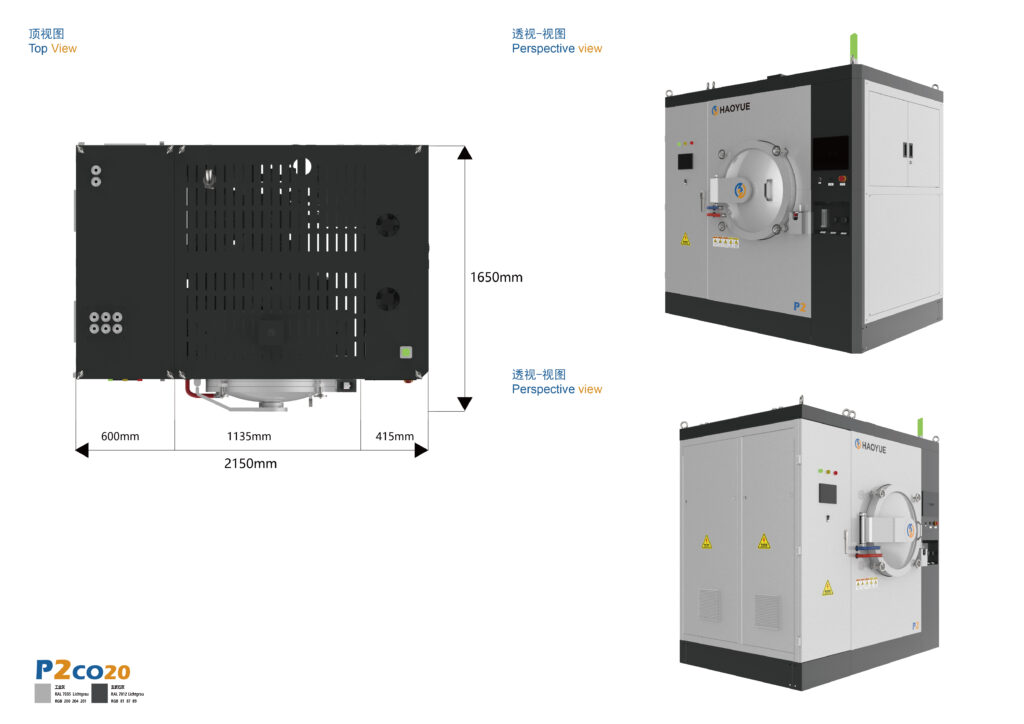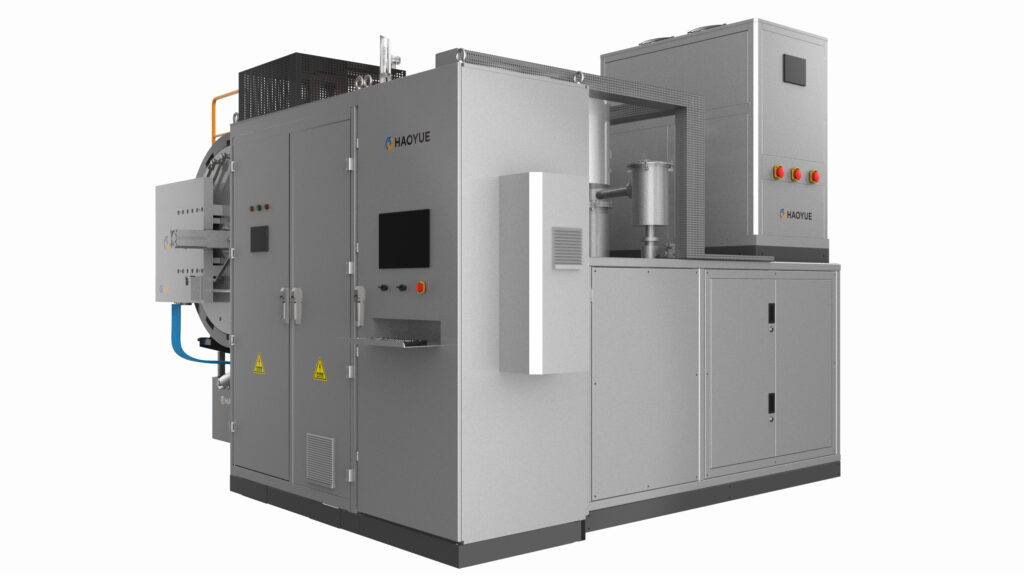






In the demanding world of advanced material manufacturing, precision and purity are paramount. This is where the expertise of a dedicated vacuum furnace manufacturer becomes indispensable. From intricate components for aerospace to critical medical devices, the capabilities offered by modern vacuum furnaces revolutionize how materials are processed, ensuring superior properties and performance. A leading vacuum sintering furnace manufacturer provides solutions that are crucial for achieving the desired density and microstructure in a wide array of materials, pushing the boundaries of what’s possible in various industries.
The landscape of high-performance materials relies heavily on specialized equipment. For instance, an SPS furnace manufacturer is pivotal in providing advanced Spark Plasma Sintering systems, known for their rapid sintering capabilities and fine grain structures. Similarly, a hot pressing furnace manufacturer caters to applications requiring high-density parts with specific mechanical properties, often at elevated temperatures and pressures. For even greater material integrity and reduced porosity, a specialized HIP manufacturer (Hot Isostatic Pressing) offers systems that apply uniform pressure and temperature, essential for critical applications. These technologies are fundamental to processes such as silicon carbide sintering, zirconia sintering process, and alumina sintering process, where material purity and density are non-negotiable.
Beyond sintering, the broader field of heat treatment also benefits immensely from vacuum technology. A reliable vacuum heat treatment furnace manufacturer delivers systems capable of processes like vacuum annealing process and vacuum hardening process, crucial for optimizing material properties without oxidation or contamination. The versatility extends to specialized applications, with a vacuum brazing furnace manufacturer providing equipment for creating strong, clean joints in complex assemblies. Niche applications are also covered by a semiconductor vacuum furnace, vital for chip manufacturing, and a vacuum hydrogen furnace for reducing oxides and purifying metals. The advent of a gas pressure sintering furnace further expands the possibilities for densification under controlled atmospheres. These advanced furnaces are critical for industries such as the aerospace vacuum furnace sector, ensuring component integrity, and the medical implant sintering furnace industry, where biocompatibility and strength are life-critical. The growing demand for advanced energy solutions also sees significant use of a battery material sintering furnace, while a dental implant vacuum furnace guarantees the quality of prosthetic components.
Understanding the distinct advantages of various furnace technologies is key for industrial buyers and engineers. For instance, comparing SPS vs hot pressing reveals differences in heating rates and pressure application, impacting microstructure and cycle times. The choice between HIP vs vacuum sintering often comes down to the required level of densification and porosity elimination. Similarly, evaluating vacuum sintering vs pressure sintering highlights trade-offs in equipment complexity, cost, and material properties. The fundamental shift from a vacuum furnace vs atmosphere furnace underscores the benefits of oxygen-free environments for material purity and performance. Material specific requirements also dictate furnace selection, such as for tungsten carbide sintering or molybdenum sintering, where high temperatures and specific atmospheres are crucial. Even within vacuum furnaces, the distinction between a graphite furnace vs molybdenum furnace is critical, with each offering unique thermal and chemical compatibility for specific applications. For complex joining tasks, vacuum brazing vs conventional brazing offers superior joint quality and cleanliness, essential for high-performance components like those undergoing titanium alloy heat treatment or produced by a carbide tool sintering furnace.
In conclusion, the continuous innovation by a dedicated vacuum furnace manufacturer is driving progress across critical industrial sectors. From the foundational vacuum sintering process to advanced heat treatments and intricate brazing, these technologies ensure that materials meet the most stringent performance requirements. As industries like aerospace, medical, and semiconductor continue to evolve, the demand for sophisticated, reliable, and efficient vacuum processing solutions will only grow, making the selection of the right equipment and partner more important than ever.
Related Products & Services
- Vacuum Sintering Furnace – Advanced sintering solutions from HaoYue Group.
- SPS Spark Plasma Sintering System – High-performance SPS solutions from HaoYue Group.
- SPS Spark Plasma Sintering System
Looking for high-quality vacuum furnace solutions? Contact HaoYue Group today.
Related Products & Services
- Vacuum Sintering Furnace – Advanced sintering solutions from HaoYue Group.
- SPS Spark Plasma Sintering System – High-performance SPS solutions from HaoYue Group.
- SPS Spark Plasma Sintering System
Looking for high-quality vacuum furnace solutions? Contact HaoYue Group for more information.
Related Products & Services
- Vacuum Sintering Furnace – Advanced sintering solutions from HaoYue Group.
- SPS Spark Plasma Sintering System
- SPS Spark Plasma Sintering System
Looking for high-quality vacuum furnace solutions? Contact HaoYue Group for more information.
Frequently Asked Questions
What are the main advantages of using a vacuum furnace in advanced material manufacturing?
Vacuum furnaces provide an oxygen-free environment, ensuring material purity and preventing oxidation. They are essential for achieving desired material properties, such as superior density and microstructure, which are crucial for high-performance components in industries like aerospace and medical devices.
How does Spark Plasma Sintering (SPS) differ from traditional sintering methods?
Spark Plasma Sintering (SPS) offers rapid sintering capabilities with fine grain structures due to its ability to apply electric currents directly to the material. This results in faster heating rates and shorter cycle times compared to traditional methods, making it ideal for producing high-density parts efficiently.
Why is Hot Isostatic Pressing (HIP) important in material processing?
Hot Isostatic Pressing (HIP) is vital for applications requiring uniform pressure and temperature to achieve high material integrity and reduced porosity. It is particularly useful in critical applications where material strength and reliability are non-negotiable, such as in aerospace components and medical implants.
What role does a vacuum brazing furnace play in manufacturing?
A vacuum brazing furnace is crucial for creating strong, clean joints in complex assemblies. It offers superior joint quality and cleanliness by preventing oxidation and contamination, essential for high-performance components that require precise and reliable connections, such as those in titanium alloy heat treatments.
How does vacuum heat treatment enhance material properties?
Vacuum heat treatment processes, like vacuum annealing and hardening, optimize material properties without oxidation or contamination. This results in improved mechanical properties and surface quality, making it ideal for applications where material performance and longevity are critical.
What considerations are important when choosing between a graphite furnace and a molybdenum furnace?
The choice between a graphite furnace and a molybdenum furnace depends on thermal and chemical compatibility with the material being processed. Graphite furnaces offer higher temperature capabilities, while molybdenum furnaces provide better chemical resistance, influencing their suitability for specific sintering applications.