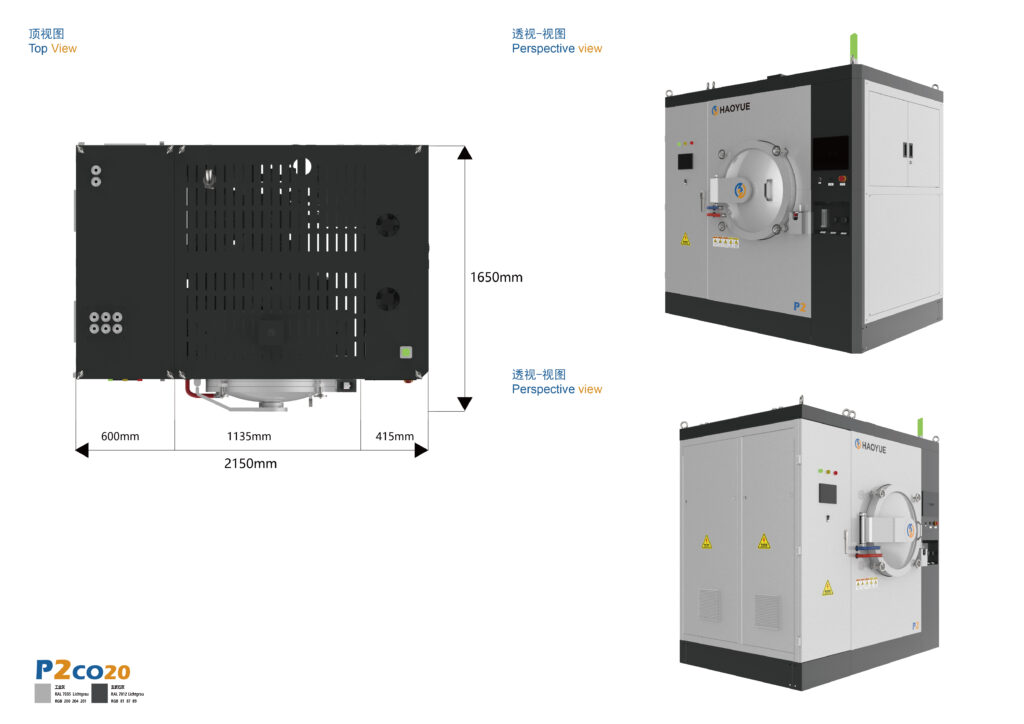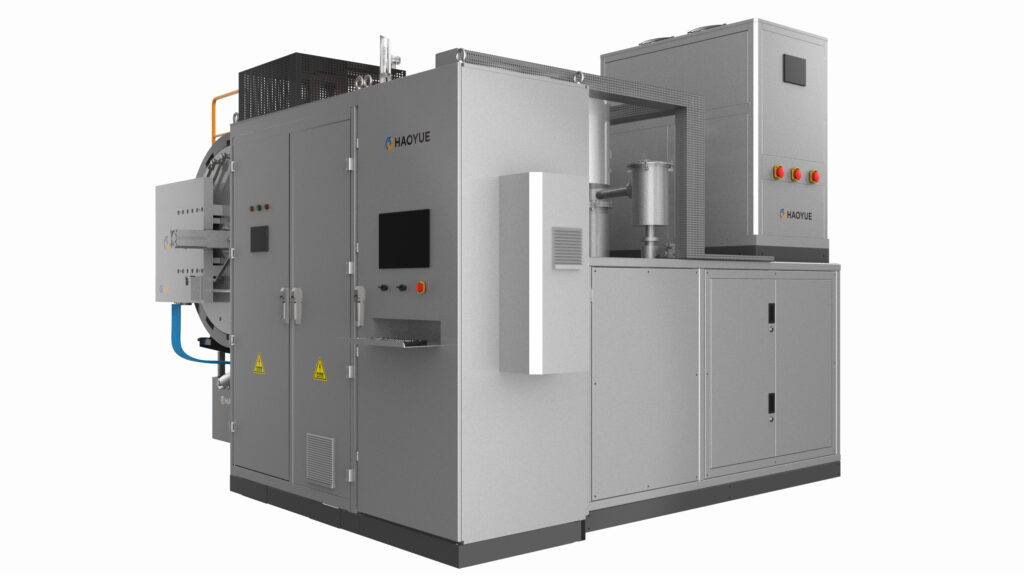






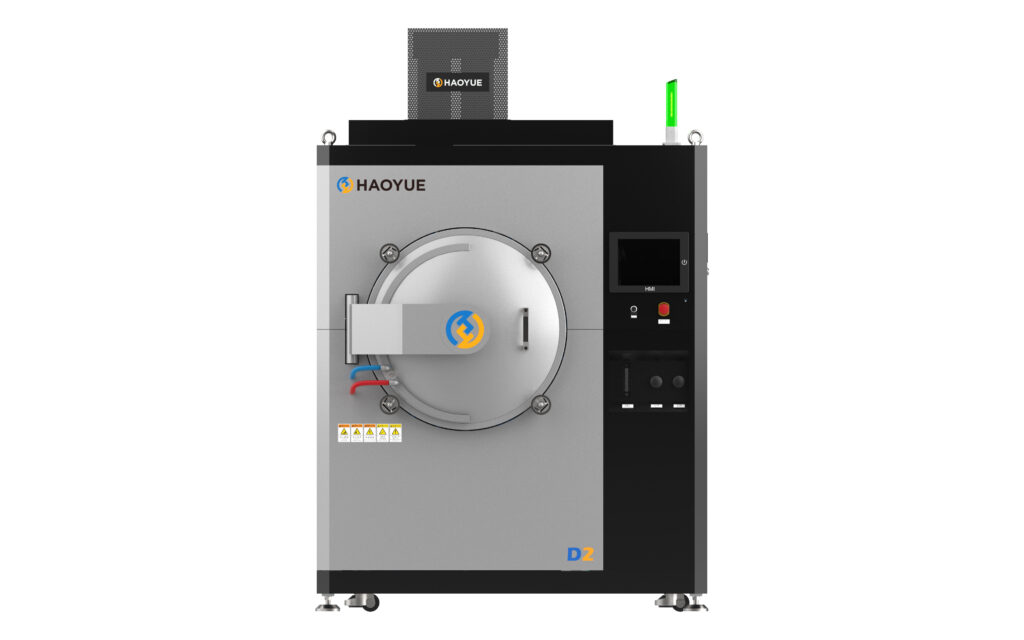
The landscape of advanced material processing is continuously evolving, with vacuum furnace technology at its core. Leading vacuum furnace manufacturer and vacuum sintering furnace manufacturer companies are pivotal in delivering the precision and control required for demanding applications across various industries. From the meticulous vacuum sintering process to specialized titanium alloy heat treatment, these sophisticated systems are indispensable for achieving superior material properties.
Understanding the diverse needs of modern manufacturing, industrial equipment buyers and engineers seek highly specialized solutions. Prominent SPS furnace manufacturer, hot pressing furnace manufacturer, and HIP manufacturer firms are setting benchmarks in densification technologies. For critical thermal processes, the expertise of a vacuum heat treatment furnace manufacturer is paramount, ensuring components meet rigorous performance standards. Similarly, a dedicated vacuum brazing furnace manufacturer provides solutions for high-integrity joining, while the development of a vacuum hydrogen furnace caters to specific reduction and annealing applications. The rise of advanced materials also sees increasing demand for specialized equipment like the gas pressure sintering furnace, which offers unique advantages in achieving high-density parts.
The array of technical processes enabled by these furnaces is vast. The vacuum annealing process and vacuum hardening process are fundamental for enhancing material strength and ductility. For advanced ceramics and composites, precision is key in silicon carbide sintering, zirconia sintering process, and alumina sintering process. Metallic components benefit immensely from processes like tungsten carbide sintering and molybdenum sintering, ensuring optimal density and microstructure. The vacuum brazing process, in particular, offers clean, strong joints in complex assemblies, often outperforming vacuum brazing vs conventional brazing in terms of quality and consistency.
These advanced furnaces find critical applications across high-tech sectors. The aerospace vacuum furnace and aerospace heat treatment furnace are essential for components that endure extreme conditions. In the medical field, a medical implant sintering furnace and dental implant vacuum furnace ensure biocompatibility and structural integrity. The semiconductor vacuum furnace is a cornerstone for chip manufacturing, providing ultra-clean environments. Furthermore, the battery material sintering furnace is crucial for the energy storage industry, while the carbide tool sintering furnace supports the production of high-performance cutting tools.
When evaluating furnace technologies, understanding the differentiated advantages is crucial. For instance, comparing SPS vs hot pressing reveals distinct benefits in heating rates and pressure application. Similarly, the choice between HIP vs vacuum sintering depends on desired density, cost, and part complexity. The debate of vacuum sintering vs pressure sintering often highlights the superior atmospheric control and purity offered by vacuum systems. Furthermore, the fundamental advantages of a vacuum furnace vs atmosphere furnace lie in preventing oxidation and contamination. Even internal heating elements present a choice, with graphite furnace vs molybdenum furnace offering different temperature capabilities and atmosphere compatibility. For semiconductor vacuum furnace applications, the material of the hot zone is particularly critical.
In conclusion, the innovations driven by a leading vacuum furnace manufacturer are transforming industrial production. From the sophisticated vacuum sintering process for advanced ceramics to the precise vacuum heat treatment furnace manufacturer solutions for aerospace components, these technologies are critical enablers for next-generation materials and products. Partnering with an experienced vacuum sintering furnace manufacturer ensures access to cutting-edge equipment that meets the stringent demands of today’s high-tech industries.
Related Products & Services
- Vacuum Sintering Furnace – Advanced sintering solutions from HaoYue Group.
- SPS Spark Plasma Sintering System – High-performance SPS solutions from HaoYue Group.
- Vacuum Hot Press Furnace
Looking for high-quality vacuum furnace solutions? Contact HaoYue Group today.
Related Products & Services
- Vacuum Sintering Furnace – Advanced sintering solutions from HaoYue Group.
- SPS Spark Plasma Sintering System – High-performance SPS solutions from HaoYue Group.
- SPS Spark Plasma Sintering System
Looking for high-quality vacuum furnace solutions? Contact HaoYue Group for more information.
Related Products & Services
- Vacuum Sintering Furnace – Advanced sintering solutions from HaoYue Group.
- SPS Spark Plasma Sintering System
- SPS Spark Plasma Sintering System
Looking for high-quality vacuum furnace solutions? Contact HaoYue Group for more information.
Frequently Asked Questions
What are the key advantages of using a vacuum furnace over an atmosphere furnace?
Vacuum furnaces prevent oxidation and contamination, providing superior atmospheric control and purity. This is essential for processes requiring high precision and material integrity, such as sintering and heat treatment of advanced materials.
How does the vacuum brazing process compare to conventional brazing?
The vacuum brazing process offers cleaner, stronger joints with higher quality and consistency. It often outperforms conventional brazing by maintaining a controlled atmosphere that minimizes impurities and enhances joint integrity.
Why is the material of the hot zone critical for semiconductor vacuum furnaces?
In semiconductor vacuum furnaces, the hot zone material is vital due to the need for ultra-clean environments. The right material ensures minimal contamination, maintaining the purity essential for sensitive semiconductor manufacturing processes.
What differentiates SPS from hot pressing in furnace technologies?
SPS, or spark plasma sintering, offers distinct benefits over hot pressing, including faster heating rates and more efficient pressure application. These differences can lead to improved material properties and reduced processing times.
Why is a vacuum hydrogen furnace used for reduction and annealing applications?
A vacuum hydrogen furnace provides a controlled atmosphere that is ideal for reduction and annealing processes. It effectively removes oxides and impurities, enhancing material properties and ensuring high-quality results in specialized applications.
What makes vacuum furnaces essential in the aerospace and medical industries?
In aerospace, vacuum furnaces are crucial for components subjected to extreme conditions, ensuring durability and performance. In the medical field, they guarantee biocompatibility and structural integrity for implants, meeting strict industry standards.