




In the realm of advanced materials engineering, achieving superior material properties and structural integrity is paramount. This objective often hinges on sophisticated processing techniques, and among the most critical is Hot Isostatic Pressing (HIP). For procurement engineers tasked with sourcing high-performance equipment, understanding the nuances of selecting a hot isostatic press manufacturer is essential. This comprehensive guide delves into the key features, technical specifications, and manufacturer considerations vital for making an informed decision, ensuring your investment yields optimal results for demanding applications involving superalloys, carbides, ceramics, and more.
Understanding Hot Isostatic Press (HIP) Technology
Hot Isostatic Pressing is a thermal and pressure treatment process used to densify materials and components, reducing porosity and enhancing mechanical properties. The process involves subjecting a material to high temperatures and isostatic gas pressure simultaneously. This combination eliminates internal voids and defects, leading to improved ductility, fatigue life, and strength. The capability of a hot isostatic press manufacturer to deliver precise control over these parameters is crucial for consistent material quality.
Why HIP is Crucial for Advanced Materials
Many advanced materials, particularly those produced via powder metallurgy, additive manufacturing (3D printing), or casting, often contain residual porosity. This porosity can severely compromise material performance, leading to premature failure under stress. HIP effectively closes these internal pores by applying uniform pressure from all directions while the material is at an elevated temperature, allowing plastic deformation and diffusion bonding to occur. This leads to a fully dense material with isotropic properties, making it indispensable for critical components in aerospace, medical, automotive, and energy sectors.
Key Considerations When Selecting a Hot Isostatic Press
Choosing the right Hot Isostatic Press (HIP) system requires a meticulous evaluation of several critical factors. These factors directly impact the system’s suitability for specific applications, operational efficiency, and long-term return on investment.
Vessel Size and Capacity
The internal dimensions of the pressure vessel – its diameter and height – define the maximum size and quantity of parts that can be processed in a single cycle. When evaluating vessel size, consider not only your current production needs but also potential future expansion or diversification of part sizes. A larger vessel offers greater flexibility and throughput, but also comes with higher capital and operational costs. Conversely, a vessel that is too small can limit production capacity and necessitate more frequent cycles, increasing overall processing time and energy consumption. Discussing your anticipated batch sizes and part geometries with a prospective hot isostatic press manufacturer is vital to determine the optimal work zone dimensions.
Temperature Range and Uniformity
The maximum operating temperature of the Hot Isostatic Press must align with the specific material processing requirements. Superalloys, for instance, typically require temperatures up to 1200-1400°C, while advanced ceramics and certain intermetallics might demand temperatures exceeding 2000°C. The type of heating elements (e.g., graphite for high temperatures, molybdenum for vacuum compatibility) and insulation package play a critical role in achieving and maintaining these temperatures. Equally important is temperature uniformity within the work zone, as variations can lead to inconsistent material properties. Reputable manufacturers employ sophisticated heating zone designs and control strategies to ensure minimal temperature gradients.
Pressure Capabilities and Medium
The maximum operating pressure is another crucial specification. Standard HIP systems typically operate up to 200 MPa (approximately 29,000 psi), but specialized units can reach much higher pressures for extremely demanding applications or materials. The choice of pressure medium, typically inert gases like argon or nitrogen, is also important. Argon is widely preferred due to its inertness and safety, especially at high temperatures. The system’s ability to precisely control pressure ramp rates and hold times is fundamental for achieving desired material microstructures and avoiding defects. A robust pressure vessel design and reliable compressor system are hallmarks of a quality hot isostatic press manufacturer.
Advanced Control Systems and Automation
Modern Hot Isostatic Press systems are equipped with advanced PLC or PC-based control systems that offer precise control over temperature, pressure, and cooling rates. Look for systems with intuitive human-machine interfaces (HMIs), extensive data logging capabilities for process validation and traceability, and programmability for complex processing cycles. Automation features, such as automatic loading/unloading mechanisms and integrated safety interlocks, enhance operational efficiency and operator safety. Remote monitoring and diagnostic capabilities can also be invaluable for troubleshooting and optimizing performance.
Cooling Systems and Rapid Quench Options
Efficient cooling is critical for optimizing cycle times and controlling microstructure development. Many HIP systems incorporate forced gas cooling systems that rapidly cool the processed parts using the same inert gas as the pressure medium. For certain materials, rapid quenching capabilities are essential to achieve specific metallurgical transformations. Discuss the available cooling rates and options with your prospective hot isostatic press manufacturer to ensure they meet your material-specific requirements.
Ancillary Equipment and Customization
Beyond the core HIP vessel, consider the need for ancillary equipment such as material handling systems, vacuum pumping systems for pre-HIP evacuation, and specialized tooling or fixtures. A leading hot isostatic press manufacturer should offer a range of customization options to tailor the system to your unique production environment and specific material challenges. This might include specialized furnace designs, multi-zone heating, or advanced gas management systems.
The Role of a Reputable Hot Isostatic Press Manufacturer
Partnering with an experienced and reputable hot isostatic press manufacturer is as important as the technical specifications of the equipment itself. Their expertise, support, and commitment to quality can significantly influence the success of your HIP operations.
Expertise and R&D Capabilities
A leading manufacturer will possess deep metallurgical and engineering expertise, enabling them to offer valuable insights into process optimization for various materials. Their ongoing R&D efforts ensure that their HIP systems incorporate the latest technological advancements, leading to improved performance, efficiency, and reliability.
After-Sales Support and Service
The long-term performance of a Hot Isostatic Press depends heavily on reliable after-sales support. Inquire about the manufacturer’s service network, availability of spare parts, technical support, and preventative maintenance programs. Comprehensive training for your operators and maintenance staff is also crucial to ensure safe and efficient operation.
Quality Certifications and Safety Standards
Ensure the manufacturer adheres to international quality standards (e.g., ISO 9001) and relevant safety regulations (e.g., ASME Pressure Vessel Code, CE marking). A commitment to quality and safety is non-negotiable for high-pressure equipment.
Integrating HIP with Other Advanced Processing Technologies
The densification process often involves more than just HIP. For many powder metallurgy parts, pre-HIP processing is critical. Insights from a vacuum sintering furnace manufacturer are often valuable, as proper sintering can significantly reduce initial porosity and optimize the subsequent HIP cycle. Similarly, an SPS furnace manufacturer offers alternative densification routes, particularly for materials requiring rapid heating and short dwell times under pressure. Understanding how HIP integrates with the broader ecosystem of a vacuum furnace manufacturer or an industrial vacuum furnace supplier can help procurement engineers build a comprehensive and efficient material processing workflow.
HAOYUE Furnace Technical Parameters and Overseas Project Cases
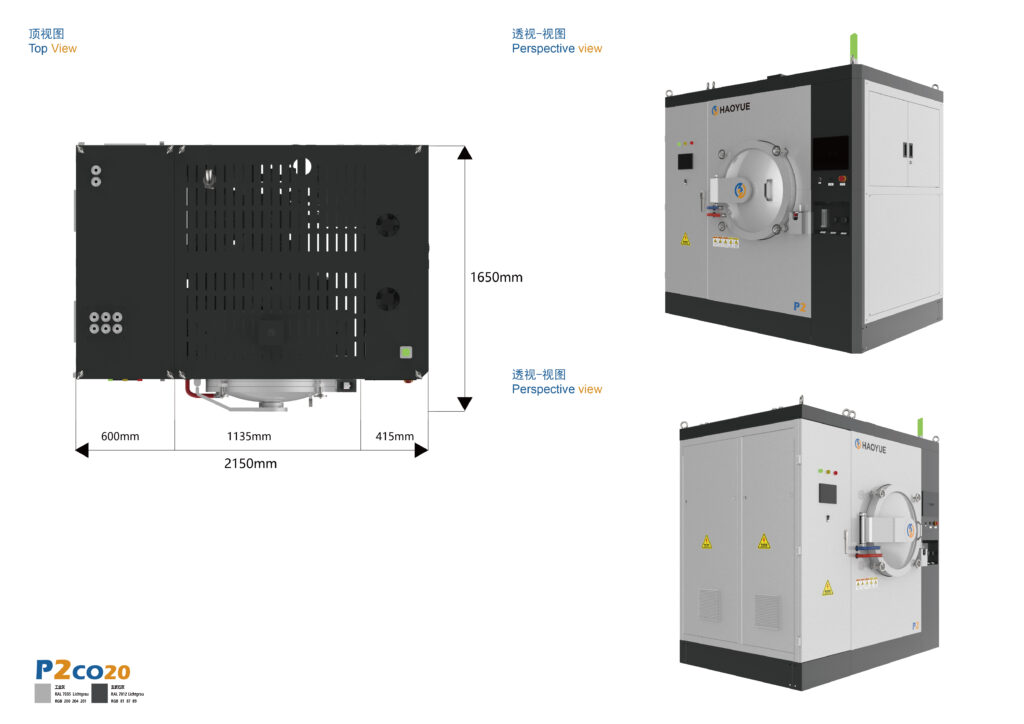
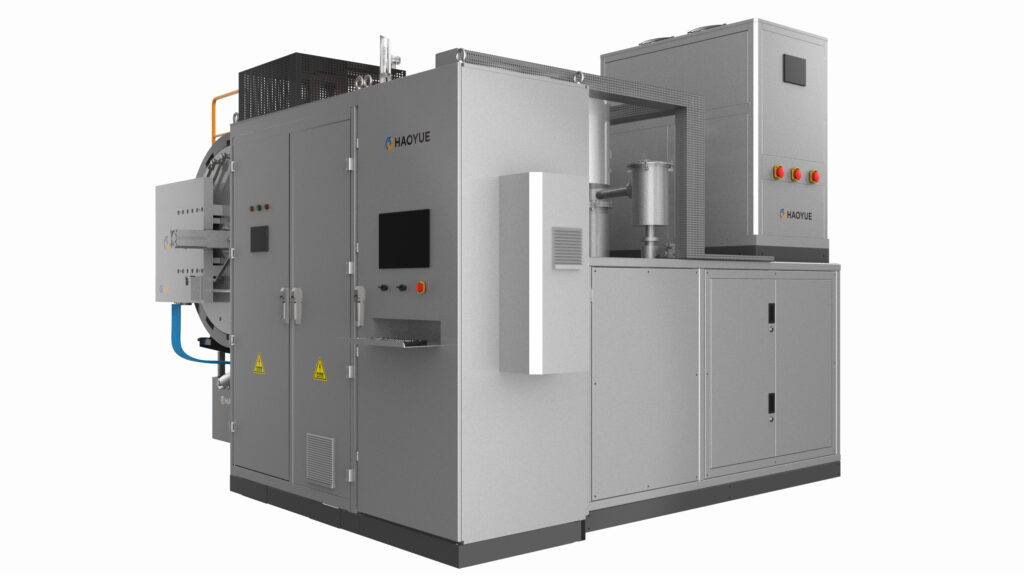
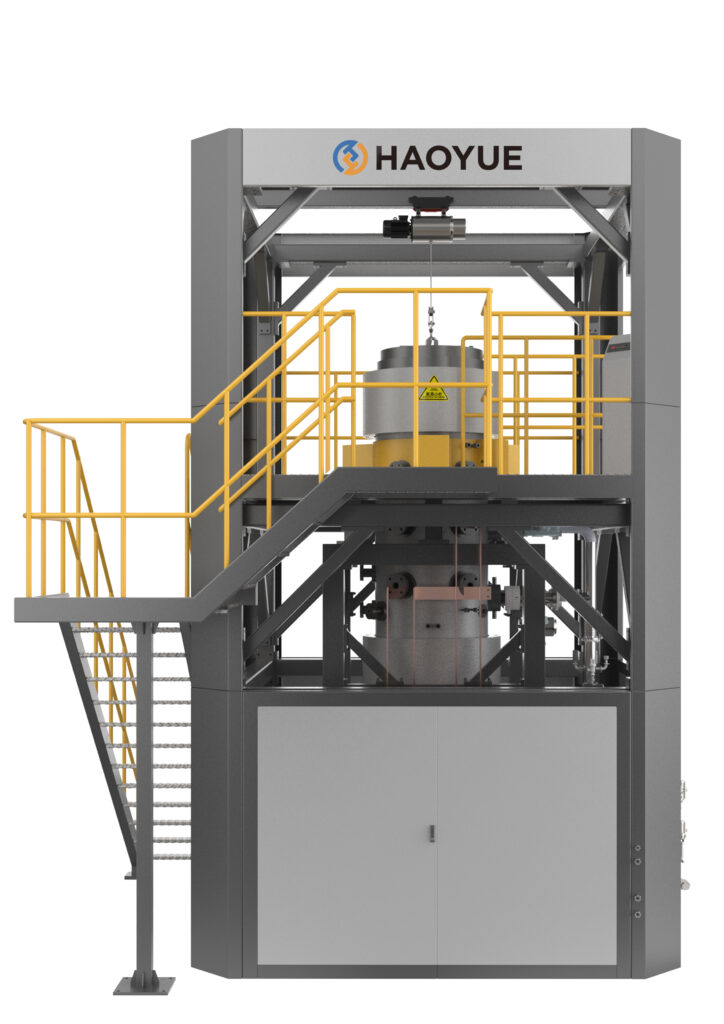
HAOYUE, as a prominent hot isostatic press manufacturer, exemplifies the commitment to advanced technology and global reach. Their HIP systems are designed with precision and robust engineering, catering to a wide spectrum of industrial and research applications. HAOYUE offers a range of Hot Isostatic Press systems with maximum operating temperatures up to 2000°C, utilizing advanced heating elements such as graphite and molybdenum. Pressure capabilities typically extend up to 200 MPa (29,000 psi), with custom solutions available for even higher pressures. Their work zone sizes are highly customizable, ranging from compact laboratory units with diameters as small as 150mm and heights of 300mm, to large-scale industrial systems with diameters up to 1200mm and heights of 2500mm, accommodating diverse production volumes and part dimensions. These systems are equipped with advanced forced gas cooling capabilities to optimize cycle times and microstructural control.
HAOYUE’s global footprint is demonstrated through numerous successful overseas project cases. For instance, a large-capacity HAOYUE Hot Isostatic Press system was recently commissioned for a leading aerospace component manufacturer in Europe. This system is instrumental in densifying complex superalloy turbine blades produced via additive manufacturing, significantly enhancing their fatigue life and overall reliability. Another notable project involved supplying a mid-sized HIP unit to a medical implant producer in Southeast Asia, where it is used for the densification of ceramic and titanium alloy prosthetics, meeting stringent bio-compatibility and strength requirements. These projects underscore HAOYUE’s capability to deliver tailored, high-performance solutions and provide comprehensive support to clients worldwide.
Frequently Asked Questions (FAQ) about Hot Isostatic Press Systems
Q1: What materials can be processed in a Hot Isostatic Press?
A: Hot Isostatic Presses are highly versatile and can process a wide range of materials, including superalloys, titanium alloys, high-speed steels, ceramics, carbides, composites, and even some polymers. They are particularly effective for powder metallurgy parts, additive manufactured components, and castings to eliminate internal porosity.
Q2: How does HIP compare to traditional sintering?
A: While both HIP and traditional sintering densify materials, HIP applies external isostatic pressure in addition to high temperature. This allows for the elimination of closed porosity that traditional sintering alone cannot remove, resulting in higher density, superior mechanical properties, and more uniform microstructures.
Q3: What are the main benefits of using a Hot Isostatic Press?
A: The primary benefits include increased material density, improved mechanical properties (tensile strength, fatigue life, ductility), reduced scatter in material properties, enhanced component reliability, and the ability to reclaim castings with internal defects.
Q4: What safety considerations are important for HIP systems?
A: Due to the high pressures and temperatures involved, safety is paramount. Key considerations include robust pressure vessel design (e.g., complying with ASME codes), comprehensive safety interlocks, emergency pressure relief systems, and adherence to all relevant industrial safety standards. Operator training is also critical.
Q5: Can HIP systems be customized for specific applications?
A: Yes, leading hot isostatic press manufacturers frequently offer extensive customization options. This can include variations in vessel size, temperature and pressure capabilities, cooling rates, control system features, and specialized material handling solutions to meet unique production and research requirements.
The journey to acquiring a Hot Isostatic Press system is a strategic investment in advanced manufacturing capabilities. The intricate balance between vessel size, temperature range, pressure capabilities, and sophisticated control systems must be carefully weighed against current and future operational demands. By engaging with a reputable and experienced hot isostatic press manufacturer, procurement engineers can navigate this complex landscape with confidence, ensuring the chosen system not only meets technical specifications but also integrates seamlessly into their production workflow, ultimately delivering unparalleled material performance and a lasting competitive advantage.
Related Products & Services
- Vacuum Sintering Furnace – Advanced sintering solutions from HaoYue Group.
- SPS Spark Plasma Sintering System – High-performance SPS solutions from HaoYue Group.
- Hot Isostatic Press (HIP)
Looking for high-quality vacuum furnace solutions? Contact HaoYue Group today.
Related Products & Services
- Vacuum Sintering Furnace – Advanced sintering solutions from HaoYue Group.
- SPS Spark Plasma Sintering System – High-performance SPS solutions from HaoYue Group.
- SPS Spark Plasma Sintering System
Looking for high-quality vacuum furnace solutions? Contact HaoYue Group for more information.
Related Products & Services
- Vacuum Sintering Furnace – Advanced sintering solutions from HaoYue Group.
- SPS Spark Plasma Sintering System
- SPS Spark Plasma Sintering System
Looking for high-quality vacuum furnace solutions? Contact HaoYue Group for more information.
Frequently Asked Questions
What are the benefits of using a larger vessel in a hot isostatic press?
A larger vessel in a hot isostatic press allows for greater flexibility and throughput by accommodating larger or more numerous parts in a single cycle. This can be advantageous for future expansion or diversification of part sizes, although it may come with higher capital and operational costs.
How does temperature range affect the selection of a hot isostatic press?
The temperature range of a hot isostatic press must match the specific processing requirements of the materials being used. For example, superalloys may require temperatures up to 1400°C, while advanced ceramics might need over 2000°C. Choosing the right temperature range ensures effective densification and material quality.
Why is temperature uniformity important in hot isostatic pressing?
Temperature uniformity is crucial because variations within the work zone can lead to inconsistent material properties. Ensuring minimal temperature gradients allows for uniform densification and improved mechanical properties across the processed components, which is essential for high-performance applications.
What role does the pressure medium play in hot isostatic pressing?
The pressure medium in hot isostatic pressing, typically an inert gas, applies uniform pressure from all directions. This is vital for effectively closing internal pores and achieving full material density. The choice of medium and pressure level directly impacts the quality and isotropy of the final product.
How does HIP technology improve material properties in advanced manufacturing?
HIP technology enhances material properties by reducing porosity and eliminating internal voids through simultaneous application of high heat and isostatic pressure. This results in improved ductility, fatigue life, and strength, making materials suitable for critical applications in sectors like aerospace and medical.