





When it comes to high-temperature material processing, choosing between a vacuum sintering furnace and a conventional atmosphere furnace can significantly impact your product quality, production efficiency, and operating costs.
What Is a Vacuum Sintering Furnace?
A vacuum sintering furnace processes materials in a controlled environment with pressure below atmospheric levels. By removing air and other gases, it eliminates oxidation, allowing materials to achieve near-theoretical density. This is critical for advanced ceramics, hard metals, and refractory alloys.
What Is a Conventional Atmosphere Furnace?
Conventional furnaces use protective gas atmospheres (argon, nitrogen, hydrogen) to prevent oxidation. While effective in many applications, gas atmospheres cannot eliminate oxidation completely. Trace oxygen contaminants can compromise material purity, especially in sensitive applications.
Key Differences at a Glance
1. Material Density and Purity
Vacuum sintering: Achieves 99%+ theoretical density with porosity below 1%. The absence of gas prevents gas entrapment in closed pores.
Conventional: Typical porosity ranges from 3% to 5%. Gas molecules can become trapped in closed pores, limiting densification.
2. Temperature Uniformity
Vacuum furnace: ±3°C uniformity across the entire hot zone, ensuring consistent quality across every batch.
Conventional furnace: Hot spots and cold zones are common due to gas flow patterns, leading to batch-to-batch variation.
3. Energy Efficiency
Vacuum: The vacuum environment retains heat longer. Less energy is required to maintain temperature. Combined with advanced insulation, vacuum furnaces consume significantly less power per cycle.
Conventional: Continuous gas flow carries heat away, requiring more energy to compensate.
4. Suitable Materials
Vacuum sintering is ideal for: Titanium and titanium alloys, refractory metals (tungsten, molybdenum), advanced ceramics (SiC, Al₂O₃, ZrO₂), hard metals (WC-Co), MIM components, and reactive materials.
Conventional is suitable for: Non-reactive powder metals, iron-based alloys, and materials where surface oxidation can be removed in post-processing.
Case Study: Aerospace Titanium Alloy Sintering
In a recent project, HAOYUE supplied a vacuum sintering furnace to an aerospace component manufacturer processing Ti-6Al-4V parts. With vacuum sintering, they achieved:
- 99.2% theoretical density (vs 96% in atmosphere)
- Zero measurable oxygen pickup
- 30% reduction in post-processing requirements
- 50% longer furnace life due to reduced oxidation of heating elements
Cost Comparison
While the initial investment for a vacuum sintering furnace is typically 30-50% higher than an equivalent conventional furnace, the total cost of ownership often favors vacuum technology:
- Lower energy consumption reduces operating costs by 20-30%
- Higher yield (fewer rejects) improves material utilization
- Less post-processing (no de-burring, less machining)
- Extended maintenance intervals
When to Choose Vacuum Sintering
Consider a vacuum sintering furnace if you need:
- High-purity final products with minimal contamination
- Superior mechanical properties (strength, hardness, wear resistance)
- Consistent batch-to-batch quality
- Processing of reactive or refractory materials
- Reduced downstream processing costs
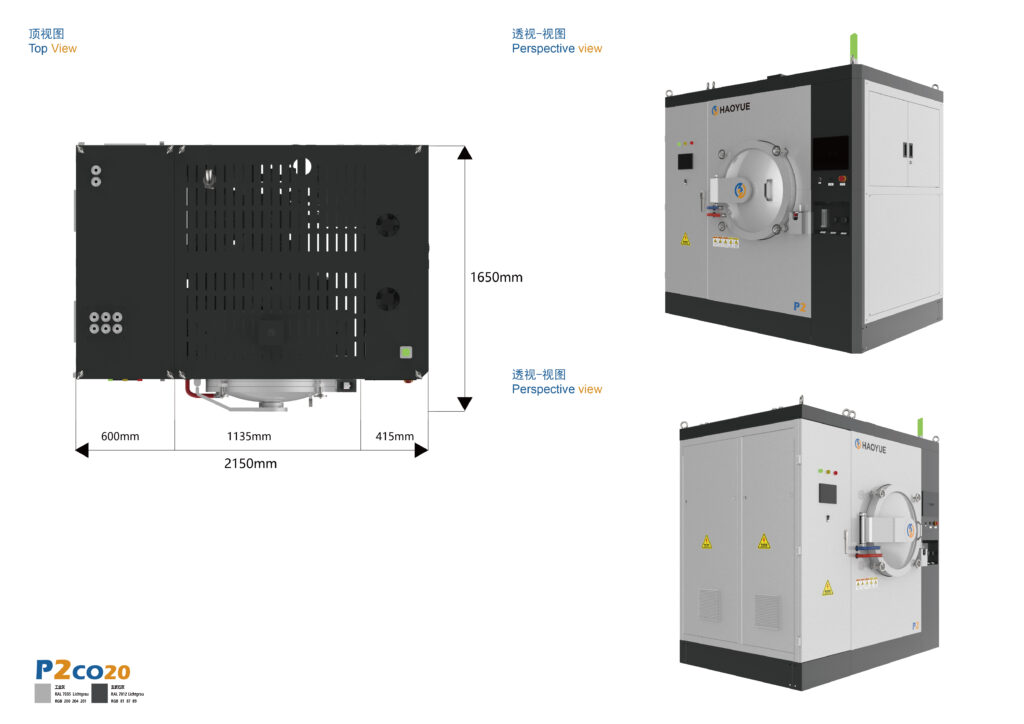
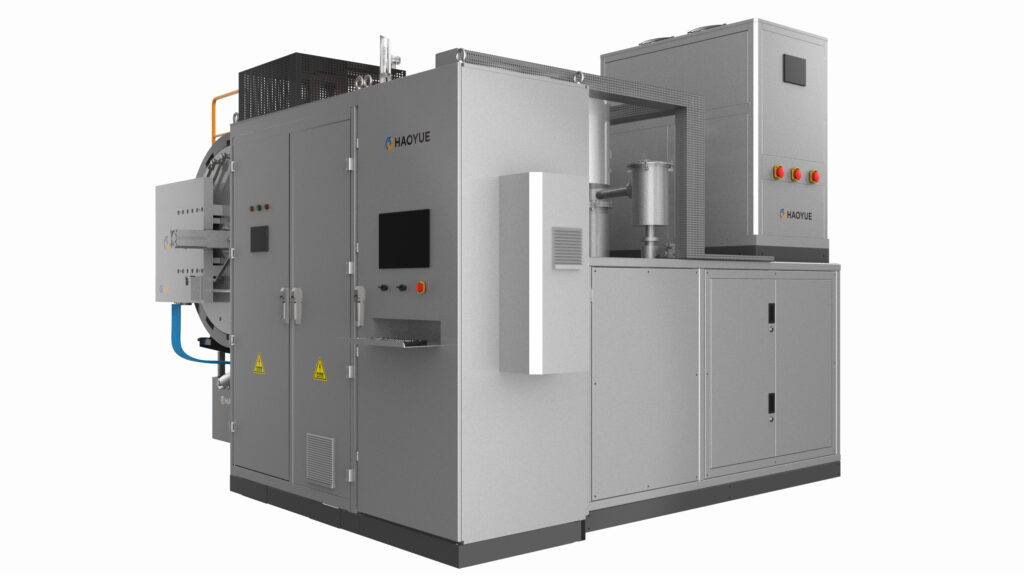
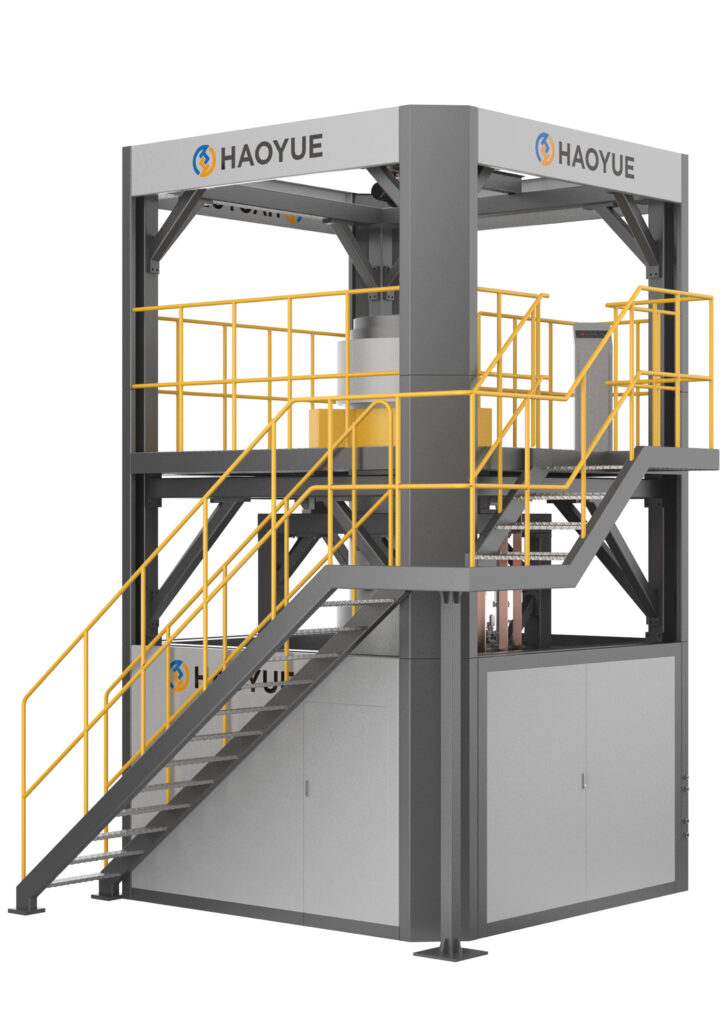
HAOYUE Vacuum Sintering Furnace Solutions
HAOYUE offers a complete range of vacuum sintering furnaces designed for industrial production and R&D applications. All systems feature:
- Maximum temperature up to 2500°C
- ±3°C temperature uniformity
- Fully automated PLC control with remote monitoring
- Customizable hot zone sizes
- Energy-efficient design
Contact HAOYUE today to discuss your specific requirements and find the right vacuum sintering solution for your production needs.
Related Products & Services
- Vacuum Sintering Furnace – Advanced sintering solutions from HaoYue Group.
Looking for high-quality vacuum furnace solutions? Contact HaoYue Group for more information.
Related Products & Services
- Vacuum Sintering Furnace – Advanced sintering solutions from HaoYue Group.
Looking for high-quality vacuum furnace solutions? Contact HaoYue Group for more information.