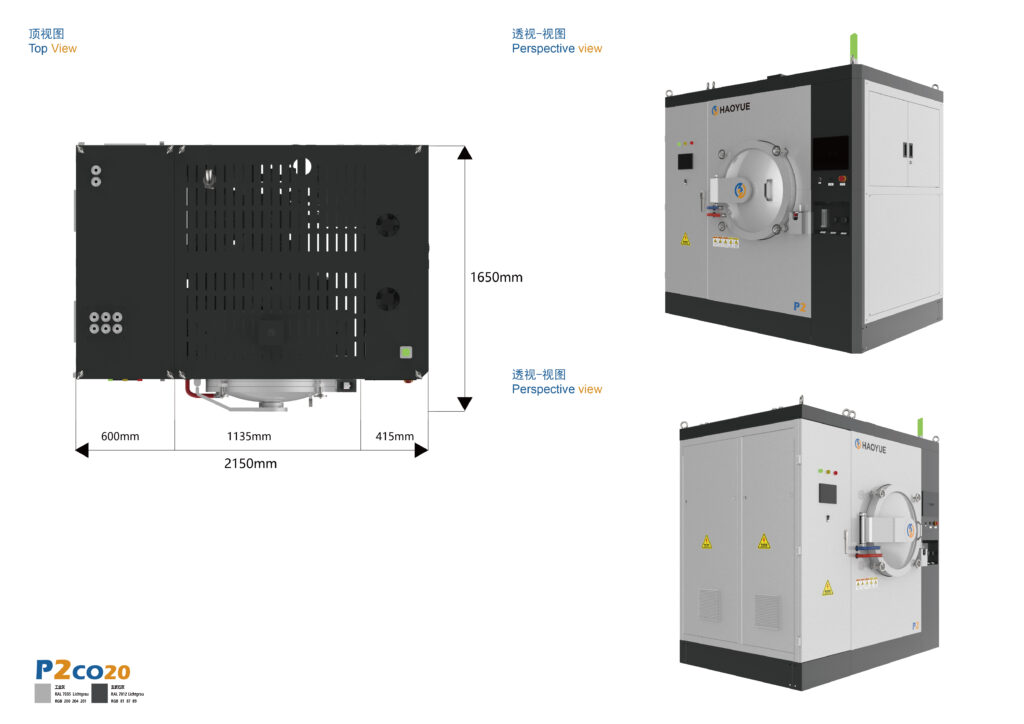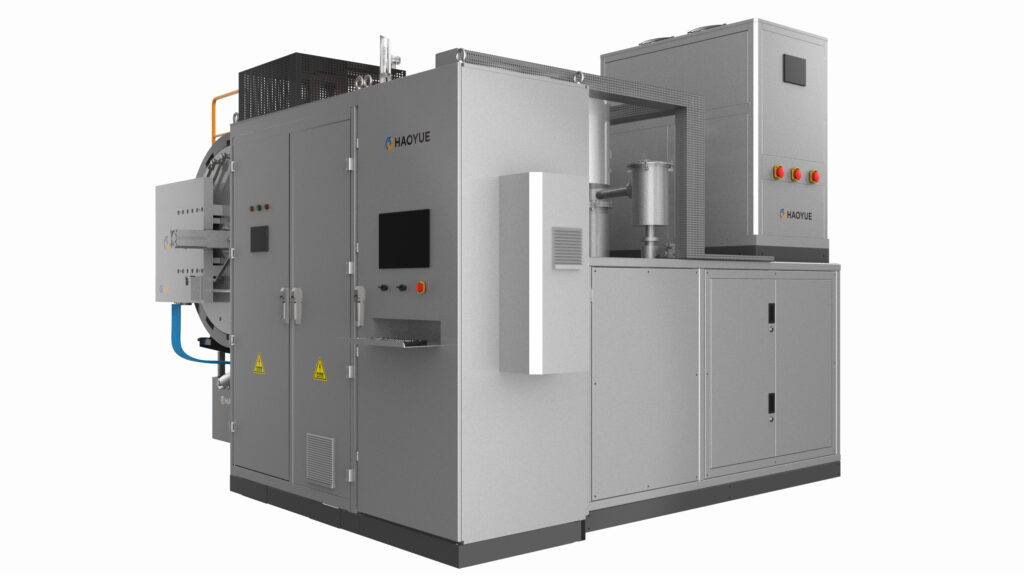






In the rapidly evolving landscape of advanced metallurgy, technical ceramics, and semiconductor manufacturing, selecting the precise thermal processing technology is paramount to achieving superior material properties. For industrial buyers and engineers, collaborating with an experienced vacuum furnace manufacturer ensures that thermal cycles meet strict metallurgical standards. Whether fabricating high-strength aerospace components or delicate medical devices, the choice of thermal equipment dictates the performance, durability, and microstructural integrity of the final product.
Sintering Technologies for Advanced Materials
For industries working with advanced ceramics and powder metallurgy, selecting the right sintering method is critical. When partnering with a leading vacuum sintering furnace manufacturer, engineers gain access to tailored thermal cycles designed for complex material systems. For instance, achieving full density during silicon carbide sintering requires extremely high temperatures and precise atmosphere control. Similarly, the zirconia sintering process and the alumina sintering process demand uniform heat distribution to prevent micro-cracking and grain growth in structural and biomedical ceramics.
When evaluating consolidation techniques, engineers often compare SPS vs hot pressing. Sourcing from a reputable hot pressing furnace manufacturer allows for uniaxial pressure application during heating, which is ideal for large, simple geometries. However, consulting an SPS furnace manufacturer is vital for projects requiring Spark Plasma Sintering, which utilizes pulsed direct current to achieve rapid consolidation in minutes rather than hours.
For ultra-high-density applications, manufacturers must also weigh the benefits of HIP vs vacuum sintering. While the standard vacuum sintering process is highly effective for many materials, working with a global HIP manufacturer introduces Hot Isostatic Pressing, which uses inert gas pressure to eliminate internal porosity. Understanding the differences between vacuum sintering vs pressure sintering helps engineers choose the right equipment, such as a gas pressure sintering furnace, which is particularly useful for challenging materials like silicon nitride.
Advanced Heat Treatment and Brazing Processes
Beyond sintering, precise thermal modification is essential for high-performance metals. Selecting a vacuum heat treatment furnace manufacturer that understands the demanding specifications of titanium alloy heat treatment is crucial for aerospace and medical applications. These systems are designed to execute a precise vacuum annealing process to relieve internal stresses, or a rapid vacuum hardening process to optimize tensile strength and wear resistance.
In joint assembly, an industrial vacuum brazing furnace manufacturer offers systems that revolutionize how complex assemblies are joined. Comparing vacuum brazing vs conventional brazing highlights the clear advantages of the vacuum environment: the vacuum brazing process provides flux-free joints, eliminates oxidation, and ensures exceptional joint integrity in high-stress components.
Industry-Specific Applications and Specialized Furnaces
Different sectors require highly specialized thermal environments. In high-stakes manufacturing, the integration of an aerospace vacuum furnace is mandatory for turbine blade production, ensuring compliance with strict aerospace heat treatment standards. For these critical applications, selecting a certified aerospace heat treatment furnace guarantees process repeatability and traceability.
The medical sector also relies heavily on specialized thermal equipment. Manufacturers utilize a medical implant sintering furnace for producing biocompatible orthopedic parts, while dental laboratories rely on the precision of a dental implant vacuum furnace to process custom zirconia prosthetics. In the tooling sector, heavy-duty carbide tool sintering furnace configurations are employed to handle the rigorous demands of tungsten carbide sintering and high-temperature molybdenum sintering.
The electronics and energy sectors also drive significant thermal technology demands. The deployment of a semiconductor vacuum furnace is crucial in wafer processing and packaging, while advanced energy storage relies on a specialized battery material sintering furnace to synthesize high-purity cathode and anode active materials. For reduction and high-temperature sintering under controlled atmospheres, utilizing a vacuum hydrogen furnace is often the gold standard.
Technical Comparisons for Equipment Selection
When specifying a new thermal system, buyers must evaluate fundamental design architectures. Comparing a vacuum furnace vs atmosphere furnace is the first step; vacuum systems offer unparalleled purity and prevention of decarburization, whereas atmosphere furnaces are often chosen for continuous, high-volume processing of less oxidation-sensitive materials.
Furthermore, the choice of hot zone materials is critical. Engineers must analyze the thermal differences of a graphite furnace vs molybdenum furnace. Graphite hot zones offer excellent thermal uniformity and cost-efficiency at extreme temperatures, but molybdenum hot zones are indispensable for cleanroom environments, medical devices, and semiconductor applications where carbon contamination must be completely avoided.